




















Travel Capitalist Ventures Expands Check Size to $10 Million to Deepen Emerging Market Conviction
Boutique Travel VC raises investment cap from $1.5M to $10M to lead rounds and support portfolio companies through growth Travel...
Read moreDetails
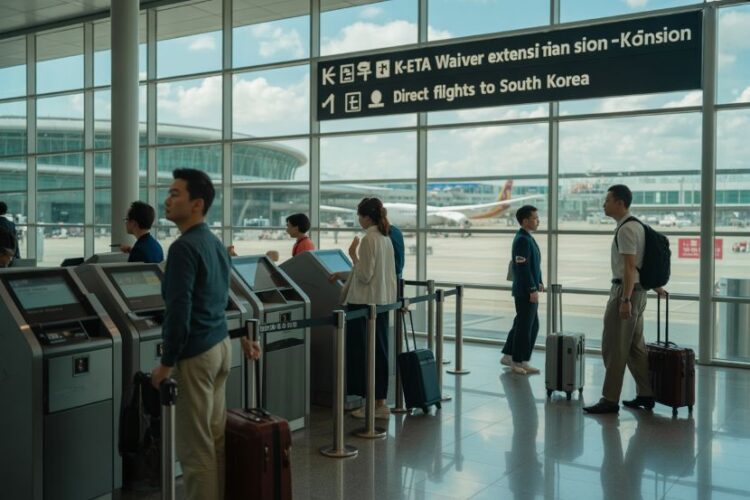
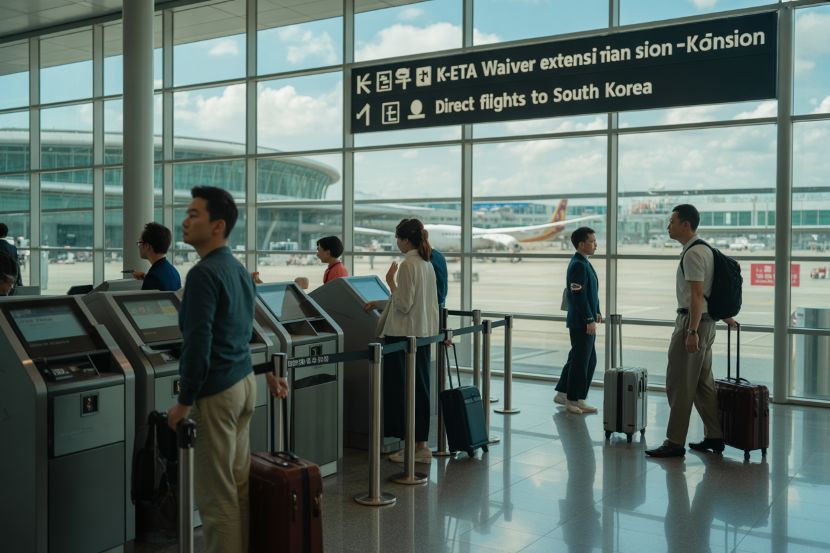
Canada Joins USA, UK, Singapore, Australia, Denmark and More as South Korea Extended K-ETA Waiver, N...
Article Summary:
South Korea has extended its Electronic Travel Authorisation (K-ETA) waiver for Singaporean visitors and 21 other nationalities, including Australia, the USA, Germany, and the UK. The waiver, initially set to expire on December 31, 2025, will now be valid until at least December 31, 2026. This extension aims to boost tourism and simplify travel for visitors to South Korea, reflecting the country’s ongoing efforts to attract international tourists post-pandemic.
Key Points:
Actionable Takeaways:
Enhanced Tourism Promotion: Travel agencies and tourism boards in the participating countries should leverage this extended waiver to promote South Korea as a tourist destination. This could involve targeted marketing campaigns highlighting the ease of travel and the extended validity of the K-ETA.
Streamlined Travel Solutions: Travel technology companies could develop or enhance digital platforms that facilitate the K-ETA application process for travelers. This could include creating user-friendly interfaces, integrating real-time status updates, and offering automated reminders to ensure travelers comply with the waiver’s validity period.
Fintech Innovations in Travel: Financial technology firms could explore opportunities to offer travel financing solutions tailored to the needs of travelers planning trips to South Korea. This could include travel credit cards, installment payment options for tours and accommodations, or travel insurance packages that are easily accessible and integrated into the booking process.
Contextual Insights:
The extension of the K-ETA waiver reflects a broader trend in the travel industry towards digitalization and the easing of travel restrictions to stimulate post-pandemic recovery. This move by South Korea aligns with global efforts to boost tourism and ensure smoother travel experiences for international visitors. For the travel industry, this presents an opportunity to capitalize on increased travel demand by enhancing digital services and offering innovative solutions that cater to the evolving needs of travelers. Thought leaders in the travel sector are likely to emphasize the importance of leveraging such policy changes to drive growth and innovation in travel tech, fintech, and related sectors.
Read the Complete Article.
Boutique Travel VC raises investment cap from $1.5M to $10M to lead rounds and support portfolio companies through growth Travel...
Read moreDetails




