


![Boy band BTS [HYBE]](https://images.traveltrade.today/wp-content/uploads/2026/04/Seoul-Hosts-BTS-Fan-Events-for-City-Arirang-Seoul.jpg)




















Travel Capitalist Ventures Expands Check Size to $10 Million to Deepen Emerging Market Conviction
Boutique Travel VC raises investment cap from $1.5M to $10M to lead rounds and support portfolio companies through growth Travel...
Read moreDetails
Chile Joins USA, Canada, Greece, South Korea, France, Spain, Portugal and Italy as Deadly Wildfires ...
Comprehensive Summarization:
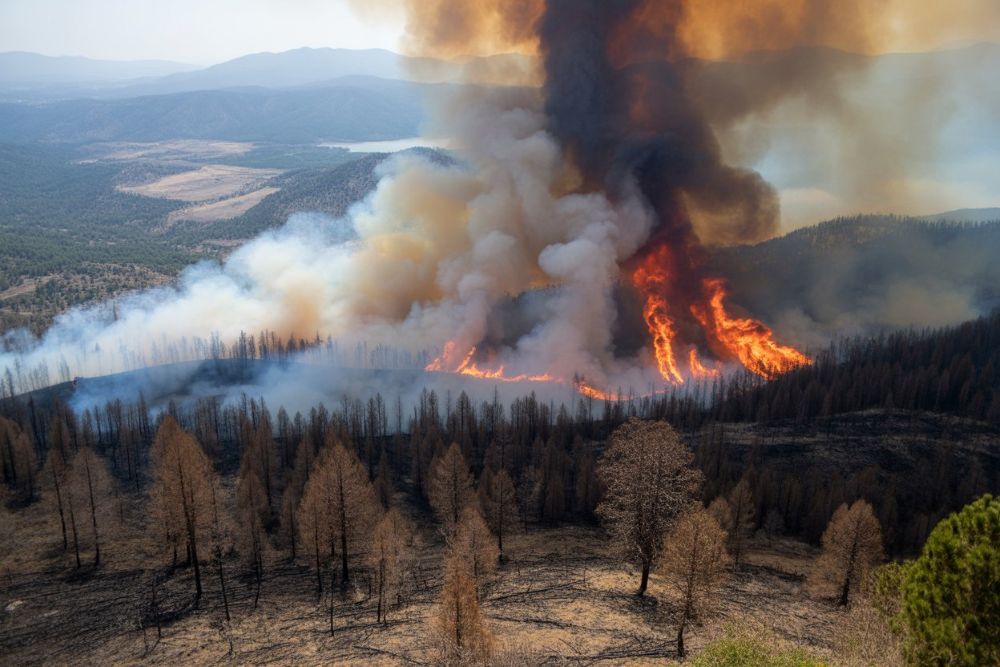
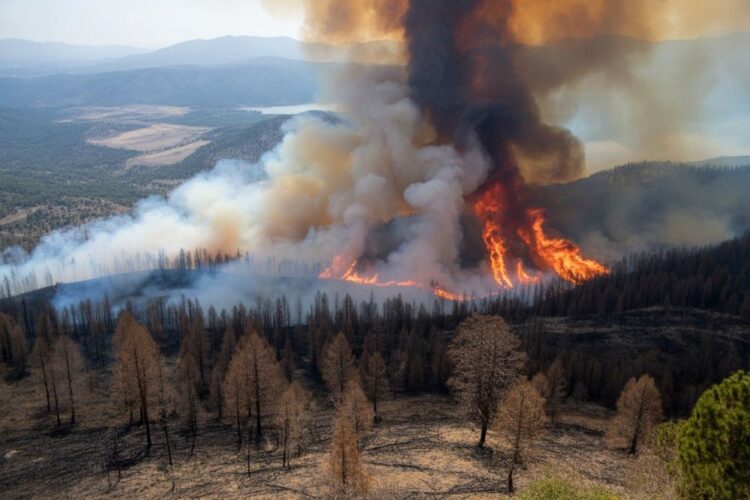
In January 2026, the travel industry faces a significant crisis as Chile joins a list of countries including the USA, Canada, Greece, South Korea, France, Spain, Portugal, and Italy, all grappling with devastating wildfires. These wildfires have swept across multiple continents, causing extensive damage to homes, livelihoods, and landscapes. The impact on tourism is profound, with countries known for their natural beauty now struggling to recover. This global crisis marks a devastating, potentially irreversible blow to the travel sector, affecting both established destinations and emerging markets.
Key Points:
Actionable Takeaways:
Diversification of Travel Destinations: Travel companies should explore diversifying their destination portfolios to mitigate risks associated with natural disasters. This could involve investing in regions less prone to wildfires or developing contingency plans for disaster-prone areas.
Enhanced Disaster Preparedness: The travel industry should prioritize enhancing disaster preparedness and response strategies. This includes investing in early warning systems, improving evacuation protocols, and ensuring that travel infrastructure is resilient against natural disasters.
Sustainable Tourism Practices: Given the irreversible impact on natural landscapes, there is a pressing need for sustainable tourism practices. This includes promoting eco-friendly travel options, supporting conservation efforts, and educating travelers about the importance of preserving natural environments.
Contextual Understanding:
The article reflects the current state of the travel industry amidst unprecedented global challenges. The wildfires, occurring in 2025 and 2026, underscore the vulnerability of travel destinations to natural disasters. This crisis is compounded by the broader context of climate change, which continues to exacerbate the frequency and intensity of such events. The article also touches on the broader implications for tourism, emphasizing the need for resilience and adaptability in the face of such crises. Thought leaders in the travel industry are increasingly focusing on sustainable practices and technological innovations to mitigate risks and enhance safety, which are crucial in the wake of such global challenges.
Handling Different Article Types:
The article in question is a news blurb, providing a concise overview of a significant event in the travel industry. It presents factual information without delving into opinion or feature analysis. The structured output format ensures that the key points and actionable takeaways are clearly delineated, making the information easily digestible for a professional audience. This approach is consistent with the needs of a daily readership of 15,000, who rely on timely and relevant insights to navigate the evolving travel landscape.
Read the Complete Article.
Boutique Travel VC raises investment cap from $1.5M to $10M to lead rounds and support portfolio companies through growth Travel...
Read moreDetails



Dubrovnik, Croatia — August 14, 2023 In short: A new eco-conscious luxury travel program launches in Dubrovnik, offering personalized, impactful...
Read moreDetails
