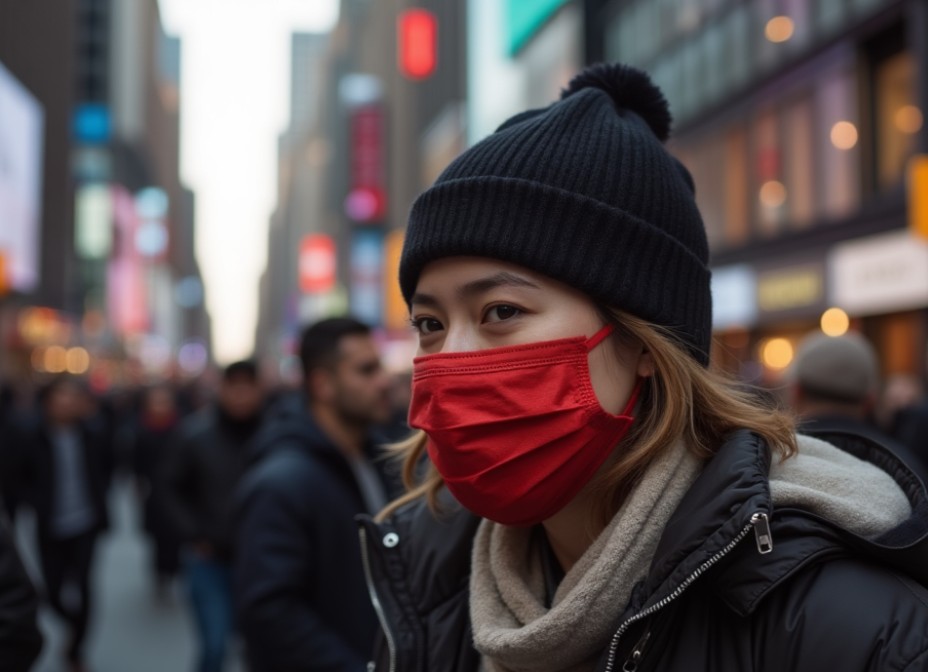
























Travel Capitalist Ventures Expands Check Size to $10 Million to Deepen Emerging Market Conviction
Boutique Travel VC raises investment cap from $1.5M to $10M to lead rounds and support portfolio companies through growth Travel...
Read moreDetails
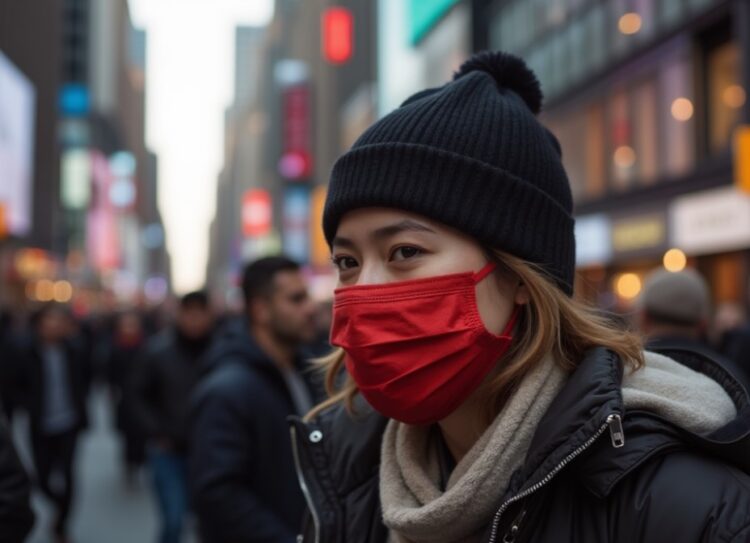
China’s Bold Move: Travelers Warned to Stay Away from Japan During Lunar New Year – South Korea Beco...
Comprehensive Summarization:
The article from Travel and Tour World, published on January 27, 2026, reports that China’s government has issued a warning to its citizens against traveling to Japan during the Lunar New Year holiday. This advisory is due to security concerns, including a reported increase in crimes targeting Chinese citizens and the risk of natural disasters such as earthquakes. The warning follows statements by China’s Prime Minister Sanae Takaichi, who suggested potential risks during her visit to Japan in early November. The article also touches on the broader context of travel trends, highlighting South Korea as the new travel hotspot amidst these developments.
Key Points:
Actionable Takeaways:
Travel Advisory Impact: Travel agencies and tourism boards should update their travel advisories and communication strategies to inform Chinese citizens about the risks associated with traveling to Japan during the Lunar New Year. This proactive measure can help mitigate potential negative impacts on tourism and ensure the safety of Chinese travelers.
Market Shift to South Korea: The article highlights South Korea as the new travel hotspot. Travel companies and service providers should capitalize on this trend by enhancing their marketing efforts, improving service offerings, and optimizing digital platforms to attract more tourists from China and other regions. This shift could drive significant growth in South Korea’s tourism sector and create opportunities for related industries such as hospitality, transportation, and travel tech.
Enhanced Security Measures: Given the security concerns highlighted in the advisory, travel companies operating in Japan should consider enhancing security measures for Chinese tourists. This could include increased presence of security personnel, improved communication channels for emergency assistance, and partnerships with local authorities to ensure a safe travel experience. Such measures can help build trust and confidence among Chinese travelers, potentially offsetting the negative impact of the travel warning.
Contextual Insights:
The advisory issued by China’s government reflects a heightened security concern amidst geopolitical tensions between China and Japan. This context is crucial for understanding the rationale behind the travel warning and its potential impact on cross-border travel. The shift in travel trends towards South Korea underscores the dynamic nature of the global travel market, where geopolitical events can quickly alter consumer preferences and travel patterns. For travel startups and fintech companies, this presents an opportunity to innovate in areas such as travel insurance, digital payment solutions, and personalized travel experiences tailored to the evolving needs of international tourists. By leveraging these insights, industry stakeholders can adapt their strategies to navigate the current landscape effectively and capitalize on emerging opportunities.
Read the Complete Article.
Boutique Travel VC raises investment cap from $1.5M to $10M to lead rounds and support portfolio companies through growth Travel...
Read moreDetails



Comprehensive Summarization: The article reports on Djibouti's presidential election, where incumbent President Ismail Omar Guelleh is expected to secure a...
Read moreDetails
