









No products in the cart.
- Latest
- Trending

China Resumes Historic Direct Flights to North Korea, Unleashing New Travel Prospects After Six-Year...
Comprehensive Summarization:
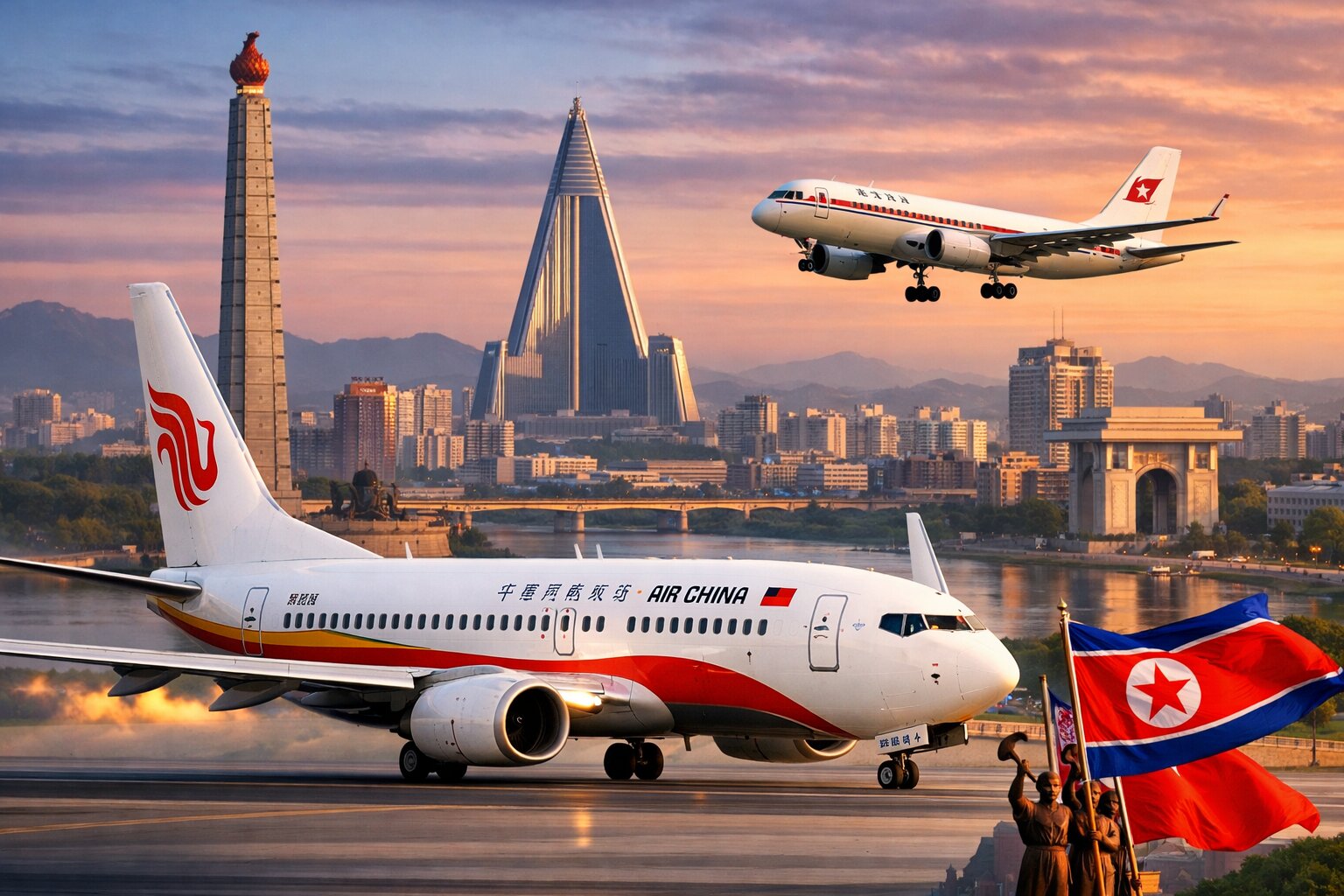
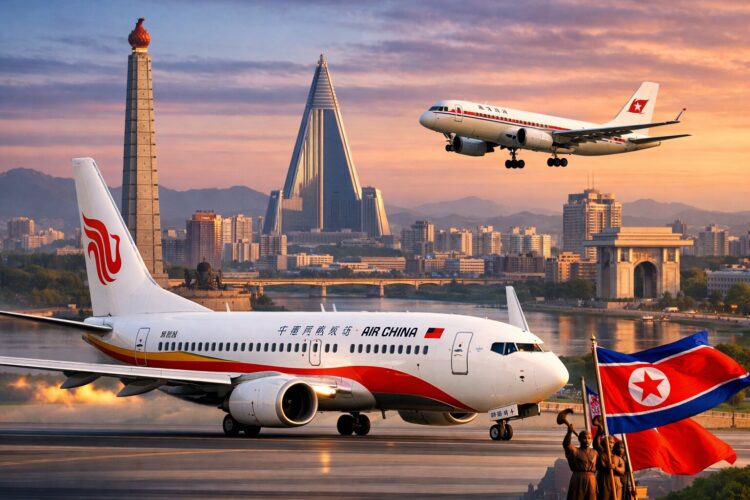
China has recently resumed direct flights to North Korea’s capital, Pyongyang, after a six-year hiatus, as reported by Travel and Tour World on March 30, 2026. This move, facilitated by Air China, comes shortly after the revival of passenger train services between the two nations. The reopening of these travel routes marks a significant milestone in the China-North Korea tourism landscape, signaling new opportunities for travel and tourism in the region. The article also highlights the broader context of travel and tourism developments, emphasizing the potential impact on the industry.
Key Points:
Actionable Takeaways:
Opportunity for Cross-Border Tourism: The reopening of direct flights between China and North Korea presents a significant opportunity for cross-border tourism. Travel agencies and tourism boards can leverage this development to promote travel packages and marketing campaigns targeting both Chinese and North Korean citizens. This could lead to increased revenue for airlines, airports, and related tourism services.
Potential for Enhanced Connectivity: The revival of train services complements the newly resumed flights, offering travelers more flexible and convenient travel options. Travel technology companies can develop integrated booking platforms that streamline the process of booking flights and trains, enhancing the overall travel experience for tourists. This could also drive innovation in travel fintech, with the potential for new payment solutions catering to cross-border transactions.
Strategic Partnerships and Collaborations: The reopening of these travel routes could spur strategic partnerships between Chinese and North Korean tourism stakeholders. This includes collaborations between airlines, train operators, hotels, and local tourism boards to create comprehensive travel itineraries. Such partnerships can enhance the competitiveness of the tourism sector in both countries and attract more international tourists.
Contextual Insights:
The resumption of direct flights between China and North Korea is a notable development in the travel industry, particularly in the context of post-pandemic recovery and geopolitical shifts. The article reflects the broader trend of nations reopening travel routes to stimulate economic recovery and cultural exchange. From a travel tech perspective, this development highlights the importance of seamless integration of travel services across borders. Innovations in travel fintech, such as secure cross-border payment systems and digital visas, could play a crucial role in facilitating this new travel paradigm. Additionally, the article underscores the potential for travel startups to capitalize on this opportunity by offering tailored travel experiences that cater to the unique interests of tourists visiting North Korea. As the travel industry continues to evolve, staying abreast of such geopolitical and infrastructural developments will be essential for professionals aiming to navigate the changing landscape effectively.
Read the Complete Article.
Get curated travel AI insights — choose the newsletters that matter to you.
ALTOUR Expands into Thailand, Strengthening Corporate Travel Network Across Southeast Asia BANGKOK, THAILAND (25 March, 2026) – ALTOUR, a leading...
Read moreDetails


Comprehensive Summarization: China has recently resumed direct flights to North Korea's capital, Pyongyang, after a six-year hiatus, as reported by...
Read moreDetails