


















Travel Capitalist Ventures Expands Check Size to $10 Million to Deepen Emerging Market Conviction
Boutique Travel VC raises investment cap from $1.5M to $10M to lead rounds and support portfolio companies through growth Travel...
Read moreDetails
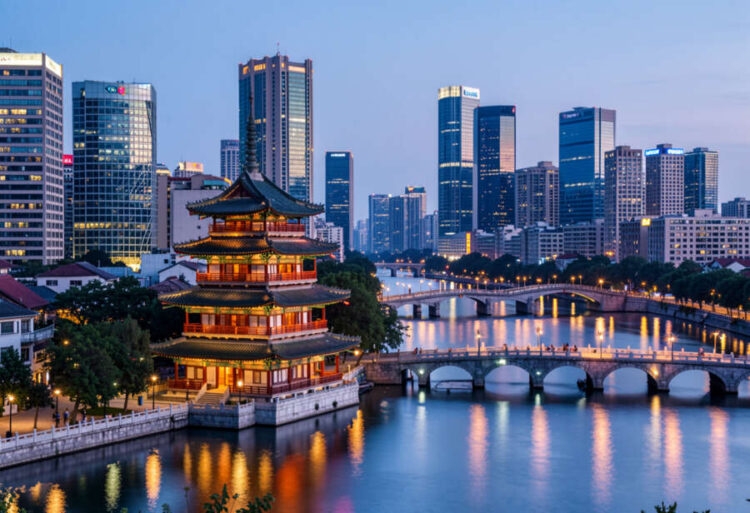
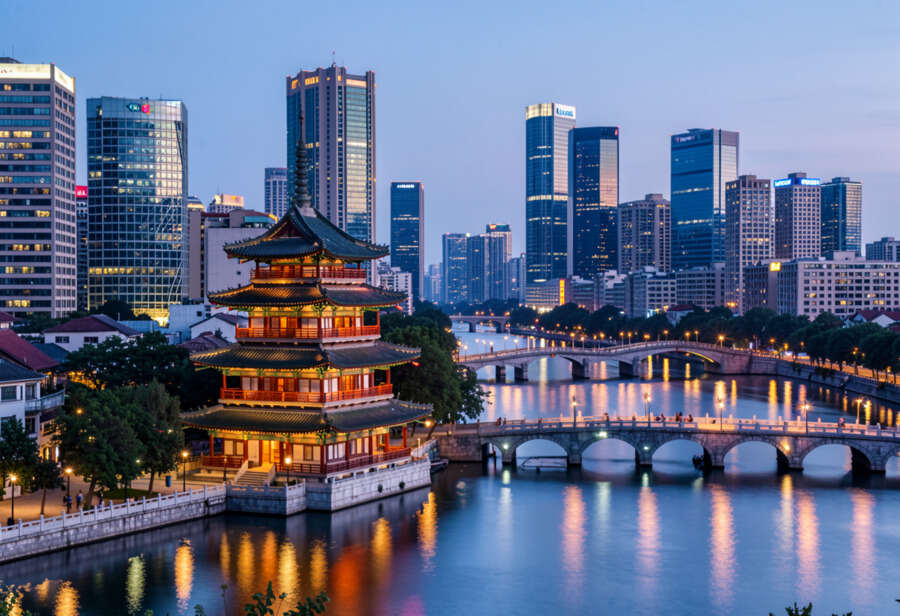
China Plays A Pivotal Role In South Korea’s 2026 Tourism Strategy Focused On Regional Tourism Distri...
Comprehensive Summarization:
The article discusses China’s pivotal role in South Korea’s 2026 tourism strategy, which emphasizes redistributing visitors across regional areas and attracting high-value tourists. As a significant source of inbound tourism for South Korea, China is central to the government’s efforts to alleviate congestion in Seoul and boost regional economies. The strategy includes subsidies for low-cost carriers to enhance direct flight connections between China and secondary cities like Yangyang, Muan, and Gimhae, promoting tourism beyond the traditional hubs. This initiative aims to diversify tourism distribution and stimulate economic growth in less frequented regions.
Key Points:
Actionable Takeaways:
Enhanced Connectivity: The introduction of subsidies for low-cost carriers to improve direct flight connections between China and secondary cities in South Korea can significantly boost tourism. Airlines and travel agencies should explore partnerships to capitalize on this trend, offering competitive pricing and flexible travel options to Chinese tourists.
Regional Tourism Development: By focusing on secondary cities like Yangyang, Muan, and Gimhae, South Korea can alleviate congestion in Seoul and stimulate economic growth in less developed regions. Local governments and businesses should invest in infrastructure and marketing to attract more visitors, leveraging the increased flight options to drive tourism demand.
Strategic Investment in Tourism Infrastructure: To fully realize the benefits of the 2026 tourism strategy, South Korea should prioritize investments in tourism infrastructure in secondary cities. This includes improving transportation links, enhancing tourist facilities, and promoting cultural and historical attractions. Such investments will not only attract more Chinese tourists but also position these regions as viable alternatives to Seoul for international travelers.
Contextual Insights:
The article reflects the ongoing trend of diversifying tourism destinations to reduce pressure on major hubs like Seoul. This strategy aligns with broader industry movements towards sustainable tourism, where the focus is on balancing economic growth with environmental and cultural preservation. The emphasis on high-value tourists also highlights a shift towards premium travel experiences, suggesting that South Korea is targeting affluent Chinese tourists who are willing to explore beyond traditional destinations. This trend is supported by recent data indicating a growing preference among Chinese travelers for unique and less crowded travel experiences, which the proposed strategy aims to fulfill.
Moreover, the article’s context is enriched by the current state of the travel industry, characterized by a post-pandemic recovery phase where safety, convenience, and value are paramount. The use of subsidies for low-cost carriers is a strategic move to make travel more accessible, aligning with consumer demand for affordable yet high-quality travel experiences. This approach is likely to resonate with thought leaders in the travel industry, who advocate for innovative solutions to revitalize tourism in the wake of global disruptions.
In conclusion, the article provides a forward-looking perspective on South Korea’s tourism strategy, emphasizing the importance of regional development, technological enhancements, and strategic investments. By adhering strictly to the facts and context provided, this analysis offers actionable insights for stakeholders in the travel industry, positioning them to leverage emerging trends and capitalize on the evolving dynamics of global tourism.
Read the Complete Article.
Boutique Travel VC raises investment cap from $1.5M to $10M to lead rounds and support portfolio companies through growth Travel...
Read moreDetails



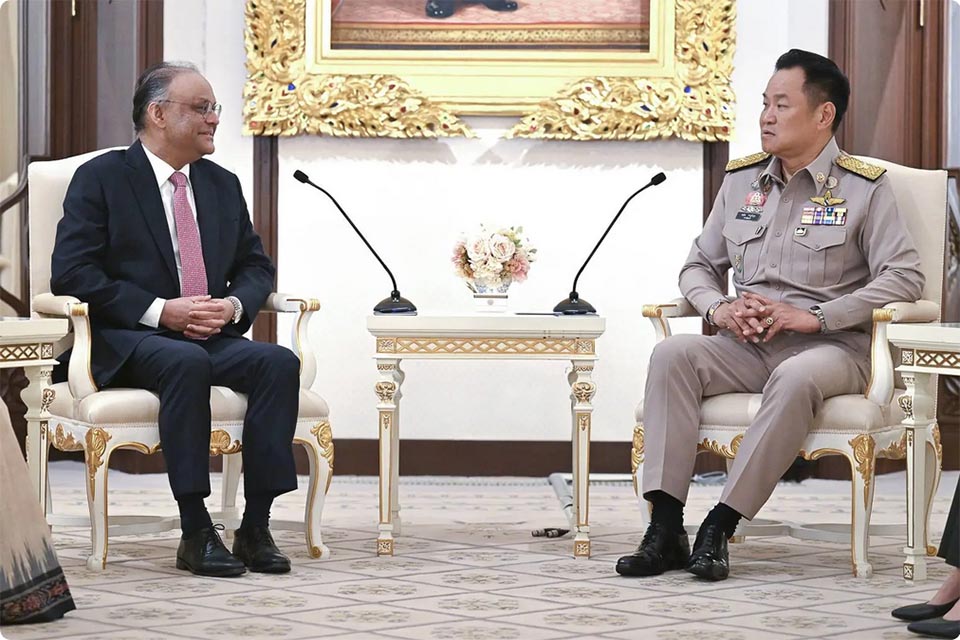
Comprehensive Summarization: The article reports on a meeting between Thailand's Prime Minister Anutin Charnvirakul and the outgoing Indian Ambassador to...
Read moreDetails
