




















Travel Capitalist Ventures Expands Check Size to $10 Million to Deepen Emerging Market Conviction
Boutique Travel VC raises investment cap from $1.5M to $10M to lead rounds and support portfolio companies through growth Travel...
Read moreDetails

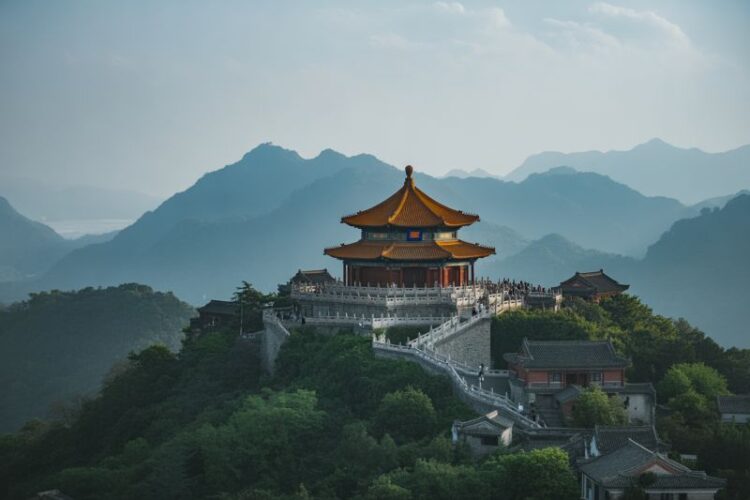
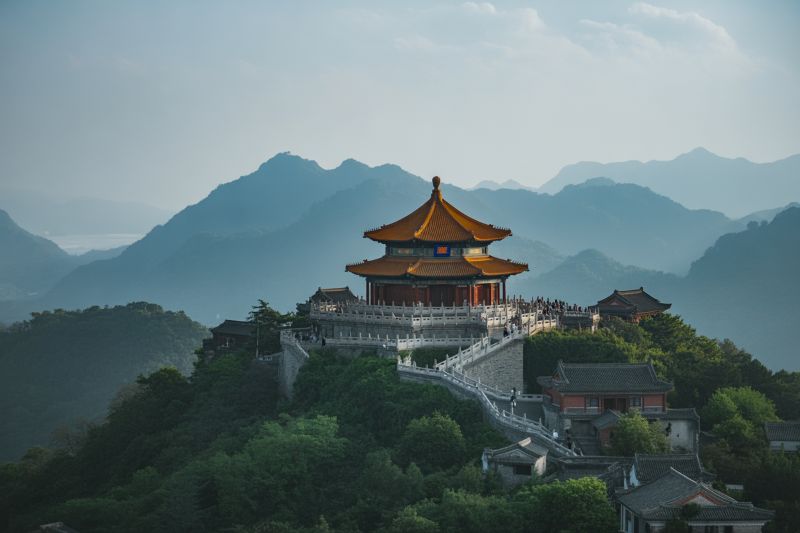
China’s Travel Restraints Shift Tourism Focus to South Korea and Vietnam
Article Summary:
The article highlights the surge in overseas travel demand to Southeast Asia and Northeast Asia due to China’s extended New Year and Spring Festival holidays, which can last up to nine continuous days. This period has led to unprecedented booking increases, particularly affecting countries like Korea, Thailand, and Vietnam. The article also notes that political tensions between China and Japan have negatively impacted travel to Japan, with Chinese visitors opting for alternative destinations. The extended holiday season, allowing office workers to take advantage of annual leave between December 29-31, has further fueled this demand.
Key Points:
Actionable Takeaways:
Leverage Extended Holidays for Marketing: Travel companies should capitalize on the extended holiday period by offering special promotions and packages to attract Chinese travelers. This strategy can help maximize bookings during the peak travel season, especially to countries like Korea, Thailand, and Vietnam.
Monitor Political Tensions Impact: Companies operating in Japan should closely monitor political developments and adjust their marketing strategies accordingly. This may include highlighting alternative destinations or offering travel packages that appeal to Chinese tourists looking for new experiences outside Japan.
Utilize Travel Advisory Updates: Stay informed about updated travel advisories, such as the one released by Canada for winter 2025, which includes countries like Vietnam, Thailand, China, Indonesia, and the Philippines. Incorporating these advisories into travel planning can help mitigate security risks and safety concerns for travelers.
Contextual Insights:
The article reflects the current state of the travel industry, where extended holidays and political factors significantly influence travel demand. The surge in bookings to Southeast Asia and Northeast Asia underscores the importance of regional travel trends and the impact of geopolitical events on tourism. As the travel industry continues to evolve, staying abreast of such trends and insights from thought leaders will be crucial for businesses to adapt their strategies and capitalize on emerging opportunities. The focus on leveraging extended holidays for marketing and monitoring political tensions highlights the need for agile and informed decision-making in the face of dynamic market conditions.
Read the Complete Article.
Boutique Travel VC raises investment cap from $1.5M to $10M to lead rounds and support portfolio companies through growth Travel...
Read moreDetails




