
















Travel Capitalist Ventures Expands Check Size to $10 Million to Deepen Emerging Market Conviction
Boutique Travel VC raises investment cap from $1.5M to $10M to lead rounds and support portfolio companies through growth Travel...
Read moreDetails
Issues
Comprehensive Summarization:
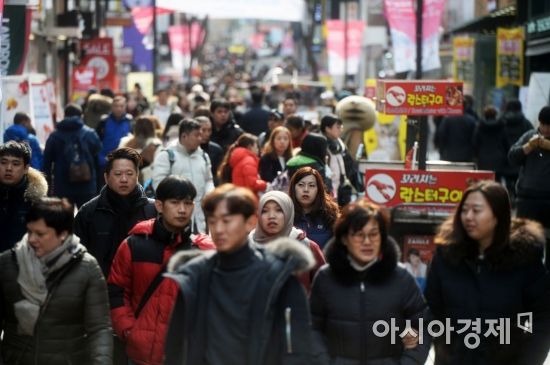
The article discusses the anticipated increase in Chinese tourists visiting South Korea due to the extended Spring Festival holiday, which runs from February 15 to 23, a record-long nine days. This extended holiday is expected to boost the service sector in South Korea, particularly in tourism, by increasing consumption activity. Ryu Jin-yi, an economist at KB Securities, highlights this trend, noting that the longer holiday period will benefit South Korea compared to previous years when the holiday was only 7 to 8 days. The article also includes a photo of Myeongdong shopping street in Seoul, bustling with tourists during the last day of the Lunar New Year holiday, indicating the current travel trends and the impact of the extended holiday on tourism.
Key Points:
Actionable Takeaways:
Increased Tourism Revenue: The extended Spring Festival holiday is expected to significantly increase tourism revenue for South Korea. This presents an opportunity for travel agencies, hotels, and local businesses to capitalize on the heightened demand by offering special packages, discounts, or enhanced services to attract Chinese tourists.
Focus on Service Sector Growth: With the tourism industry set to benefit from the increased consumer activity, there is a strong focus on service sector growth. This includes improving customer service, enhancing travel experiences, and ensuring efficient operations to meet the surge in tourist numbers. Businesses should invest in training staff to handle increased tourist traffic and explore innovative ways to provide value-added services.
Leverage Technology for Enhanced Travel Experiences: The article hints at the importance of travel tech in enhancing the tourist experience. Travel companies should leverage technology such as mobile apps for booking, navigation, and local insights to provide a seamless and enjoyable travel experience for Chinese tourists. This could include partnerships with fintech startups to offer convenient payment solutions, ensuring tourists can easily access services and make purchases during their visit.
Contextual Insights:
The article’s context is deeply rooted in the current travel trends and the impact of geopolitical tensions between China and Japan. The extended Spring Festival holiday is a significant event for Chinese tourists, who traditionally travel extensively during this period. The tensions between China and Japan have likely influenced travel patterns, with more Chinese tourists opting for destinations in South Korea over Japan. This shift in travel preferences highlights the importance of regional tourism strategies and the need for South Korea to capitalize on this opportunity.
Moreover, the inclusion of a photo from Myeongdong shopping street underscores the vibrant and bustling nature of South Korea’s tourism scene during the holiday. This visual context provides a clear picture of the current travel trends, emphasizing the role of major shopping districts in attracting tourists. The article also references Ryu Jin-yi’s insights, adding a layer of expert analysis that supports the forward-looking perspective of the article.
In summary, the article provides a comprehensive overview of the anticipated surge in Chinese tourism to South Korea due to the extended Spring Festival holiday. It highlights key developments such as increased tourism revenue, the focus on service sector growth, and the importance of leveraging technology for enhanced travel experiences. These insights are crucial for professionals in the travel industry to understand the current landscape and plan accordingly to capitalize on the emerging opportunities.
Read the Complete Article.
Boutique Travel VC raises investment cap from $1.5M to $10M to lead rounds and support portfolio companies through growth Travel...
Read moreDetails



Hong Kong — April 1, 2023 In short: ITA Airways joins Star Alliance network. ITA Airways Joins Star Alliance The...
Read moreDetails
