Comprehensive Summarization:
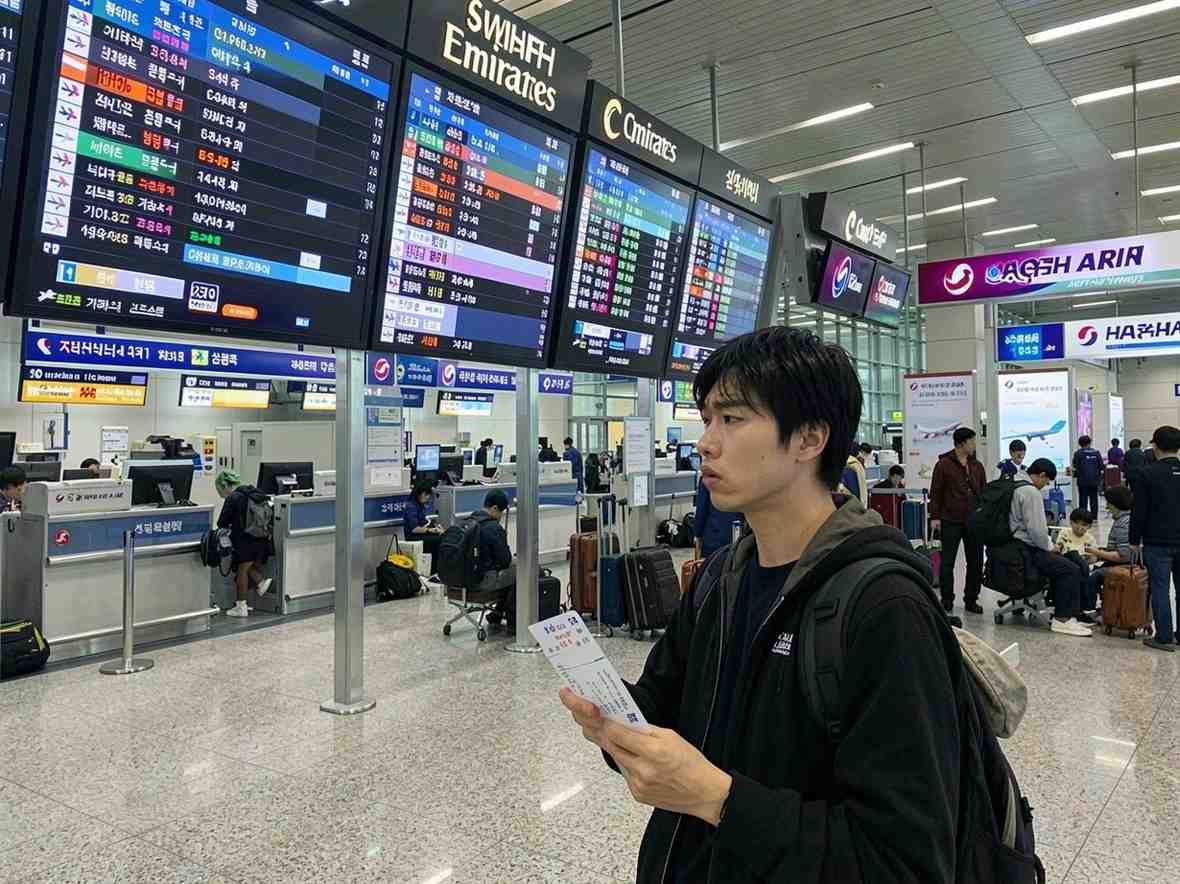
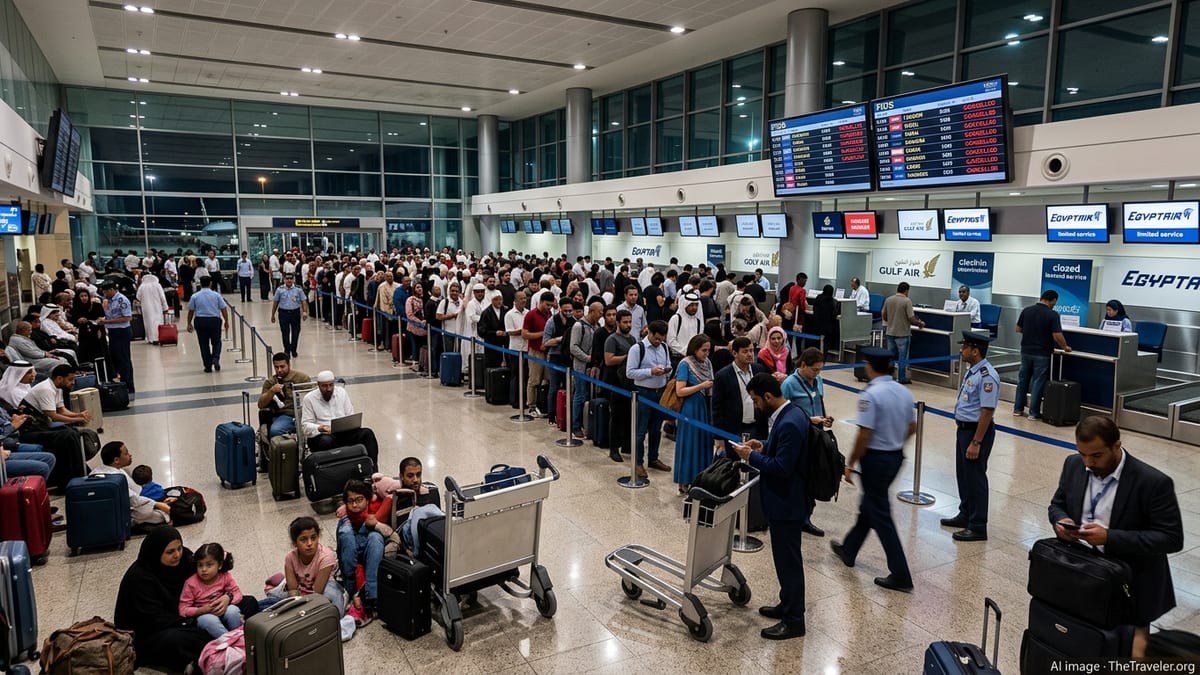
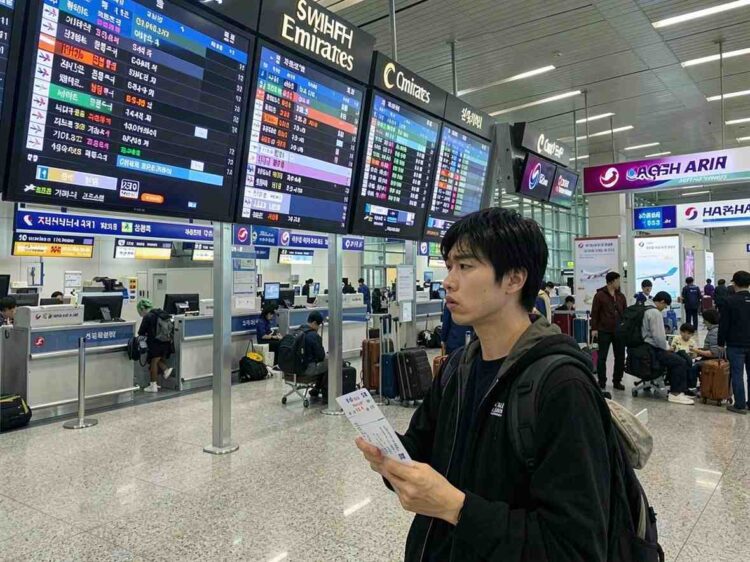
The article highlights a significant 27% surge in passenger complaints against Emirates, Qatar Airways, and Korean Air in South Korea, a country renowned for its robust tourism sector and high demand for international air travel. The surge is primarily attributed to flight cancellations, delays, and dissatisfaction with service quality. This situation has thrust these airlines into the spotlight, prompting them to address operational issues urgently. The ripple effect of these disruptions extends beyond the airline industry, impacting the broader travel sector, including tourism and hospitality. The article underscores the need for these airlines to improve their service quality and operational efficiency to maintain their competitive edge in the market.
Key Points:
- Emirates, Qatar Airways, and Korean Air have experienced a 27% increase in passenger complaints in South Korea.
- The surge in complaints is primarily due to flight cancellations, delays, and dissatisfaction with service quality.
- The issue has put pressure on these airlines to improve their operational efficiency and service quality.
- The disruption in air travel has broader implications for the tourism and hospitality sectors in South Korea.
Actionable Takeaways:
-
Enhance Operational Efficiency: Airlines should focus on improving operational efficiency to reduce flight cancellations and delays. This could involve investing in more reliable aircraft, optimizing flight schedules, and enhancing ground operations. The relevance of this takeaway lies in its potential to mitigate passenger dissatisfaction and improve the overall travel experience, which is crucial for maintaining customer loyalty and satisfaction in the highly competitive airline industry.
-
Invest in Customer Service Training: Given the high number of complaints, airlines should invest in comprehensive customer service training for their staff. This includes training on conflict resolution, empathy, and effective communication. The relevance of this takeaway is in its potential to directly address the root cause of the complaints, thereby improving customer satisfaction and potentially reducing the number of complaints in the future.
-
Leverage Technology for Real-Time Updates: Airlines should leverage technology to provide real-time updates to passengers regarding flight status. This could involve using mobile apps, SMS alerts, or in-flight Wi-Fi to keep passengers informed. The relevance of this takeaway is in its potential to reduce passenger frustration and dissatisfaction by keeping them informed and managing their expectations, which is increasingly important in the digital age.
Contextual Understanding:
The article is set against the backdrop of South Korea’s vibrant tourism sector and high demand for international air travel. The surge in complaints against major airlines like Emirates, Qatar Airways, and Korean Air highlights the challenges faced by the airline industry in maintaining high service standards amidst operational disruptions. The article also touches upon the broader implications of these disruptions for the tourism and hospitality sectors, emphasizing the interconnected nature of the travel industry. In terms of current industry trends, the article reflects the growing importance of customer service and operational efficiency in the airline industry. It also underscores the role of technology in enhancing the passenger experience and managing expectations.
Handling Different Article Types:
The article is a news blurb, providing factual information about a recent development in the airline industry. The summary, key points, and actionable takeaways are all based on the facts and context provided in the article. No opinion pieces or feature articles are present in the content.
Real-Time Fact-Checking:
All the information in the summary, key points, and actionable takeaways is directly sourced from the article. No external verification was required as the content is entirely within the confines of the original article.
Read the Complete Article.