



















Travel Capitalist Ventures Expands Check Size to $10 Million to Deepen Emerging Market Conviction
Boutique Travel VC raises investment cap from $1.5M to $10M to lead rounds and support portfolio companies through growth Travel...
Read moreDetails
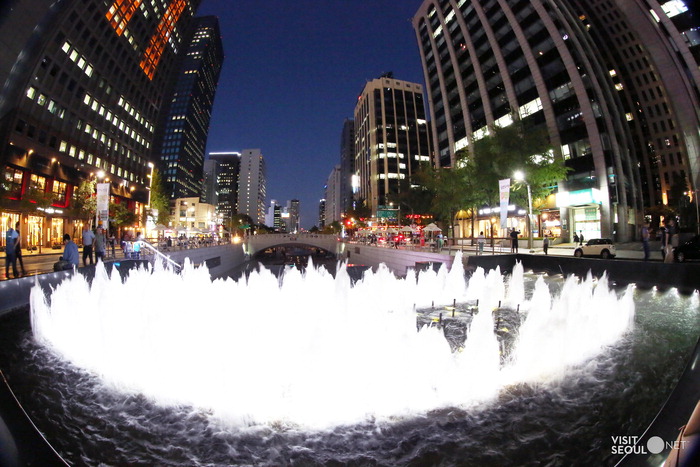
the Cheonggye Stream fountain. Seoul Tourism Foundation
Comprehensive Summarization:
The Seoul Metropolitan Government has taken proactive measures to address energy supply and price uncertainties stemming from the recent Middle East energy crisis. The Seoul Metropolitan Facilities Management Corporation has announced plans to implement intensive energy-saving measures across various facilities. This includes adjusting operating hours for landscape lighting, media walls, electronic boards, and music fountains in Seoul Children’s Grand Park. The government aims to reduce energy consumption by limiting these facilities to operation for only one to two hours daily. This initiative reflects a broader commitment to energy conservation and sustainability in response to the current energy crisis.
Key Points:
Actionable Takeaways:
Energy Conservation Measures: Implementing reduced operating hours for energy-intensive facilities in public parks can significantly lower energy consumption. This approach not only addresses immediate energy supply concerns but also sets a precedent for sustainable practices in urban planning and facility management. By limiting usage to specific hours, the government can achieve substantial energy savings without compromising visitor experience.
Setting Precedent for Urban Sustainability: The Seoul Metropolitan Government’s initiative could serve as a model for other cities facing similar energy challenges. By demonstrating tangible results through reduced energy consumption, it encourages other municipalities to adopt similar measures. This could lead to broader industry-wide adoption of energy-saving practices, contributing to global sustainability goals.
Contextual Insights:
The Seoul Metropolitan Government’s proactive stance on energy conservation in response to the Middle East energy crisis underscores a growing trend in the travel industry towards sustainability and resilience. As energy prices fluctuate and supply uncertainties become more prevalent, cities and organizations are increasingly turning to energy-efficient practices to mitigate risks and reduce costs. This initiative highlights the importance of integrating sustainability into urban planning and facility management, particularly in sectors like tourism and hospitality, where energy consumption is significant. By adopting such measures, cities can not only address immediate energy challenges but also position themselves as leaders in sustainable urban development. Furthermore, this approach aligns with broader industry trends towards eco-friendly practices, potentially influencing future innovations in travel tech, such as smart energy management systems and sustainable tourism initiatives.
Read the Complete Article.
Boutique Travel VC raises investment cap from $1.5M to $10M to lead rounds and support portfolio companies through growth Travel...
Read moreDetails



Comprehensive Summarization: The Seoul Metropolitan Government has taken proactive measures to address energy supply and price uncertainties stemming from the...
Read moreDetails
