

























Travel Capitalist Ventures Expands Check Size to $10 Million to Deepen Emerging Market Conviction
Boutique Travel VC raises investment cap from $1.5M to $10M to lead rounds and support portfolio companies through growth Travel...
Read moreDetails
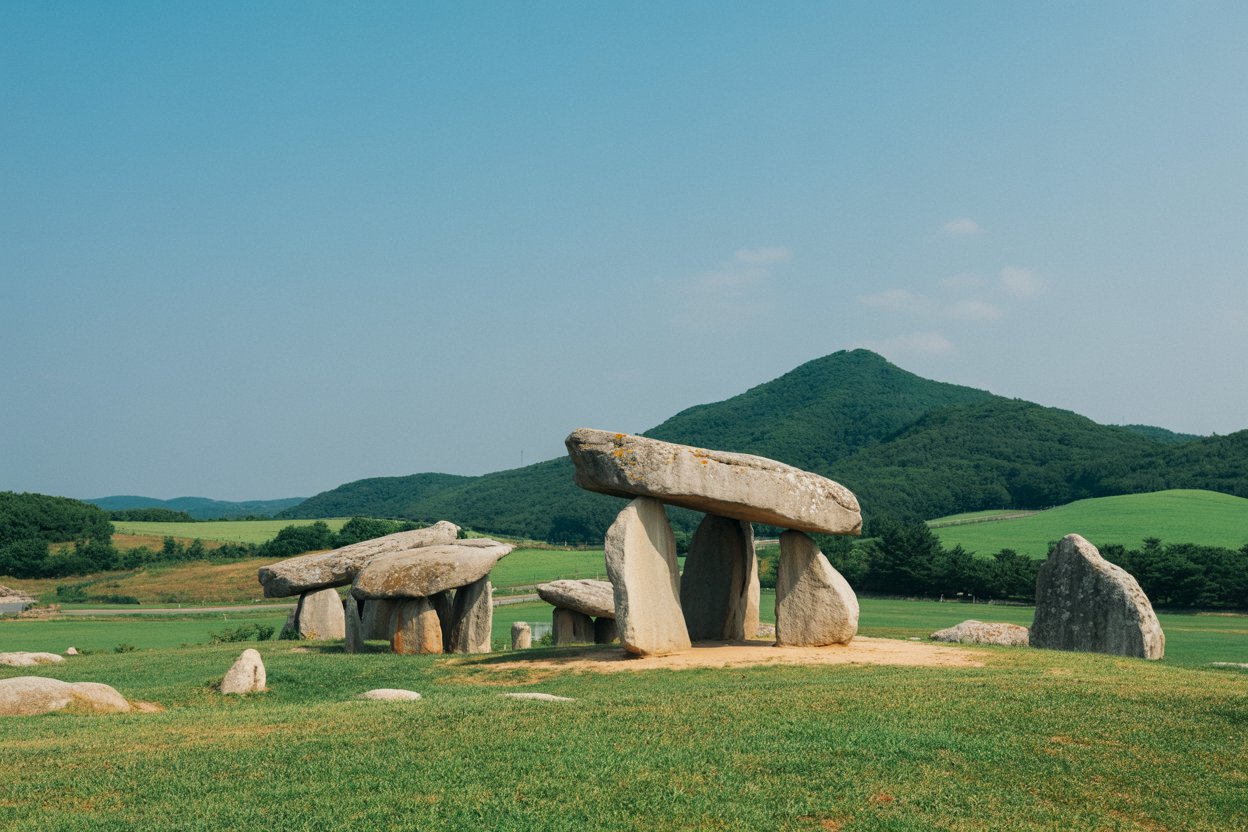
Gochang: Exploring the UNESCO-listed Dolmens and Rich History in South Korea’s Peaceful Countryside
Article Summary:
Gochang, a charming town in South Korea, is highlighted as a must-visit destination for travelers interested in history and archaeology. The town is renowned for its UNESCO-listed dolmens, ancient prehistoric stone structures that date back thousands of years. These dolmens symbolize South Korea’s rich cultural heritage and have become a significant draw for history enthusiasts, scholars, and curious travelers. The article emphasizes the town’s peaceful rural landscape and its impact on tourism, attracting a niche yet dedicated audience seeking a quieter, less commercialized travel experience.
Key Points:
Actionable Takeaways:
Tourism Diversification: The focus on UNESCO-listed dolmens as a key attraction suggests a potential for tourism diversification in South Korea. Travel agencies and local businesses could develop specialized tours and packages centered around these historical sites, capitalizing on the growing interest in cultural heritage travel. This could lead to increased revenue and job creation in the region.
Sustainable Tourism Practices: The emphasis on a quieter, less commercialized experience highlights the importance of sustainable tourism practices. Travel companies could adopt eco-friendly initiatives, such as promoting low-impact travel, supporting local communities, and preserving the natural and cultural integrity of sites like Gochang’s dolmens. This aligns with the broader trend of sustainable travel and could enhance the town’s appeal to environmentally conscious tourists.
Contextual Insights:
The article reflects current travel trends towards experiential and culturally rich travel experiences. As travelers seek authentic and meaningful experiences, destinations like Gochang, which offer a deep dive into history and archaeology, are gaining popularity. This aligns with the broader industry shift towards sustainable and responsible tourism, where the preservation of cultural heritage is a key concern. Furthermore, the town’s success underscores the importance of leveraging UNESCO recognition to boost tourism, a strategy that other destinations could emulate to enhance their appeal.
In terms of technological advancements, the integration of digital tools for heritage education and virtual tours could further enhance the visitor experience. For instance, augmented reality (AR) applications that allow tourists to explore the dolmens in 3D or interactive maps that provide historical context could attract tech-savvy travelers. Additionally, the rise of travel startups focusing on niche markets, such as cultural heritage tourism, presents opportunities for partnerships and collaborations that could further elevate Gochang’s profile on the global stage.
Read the Complete Article.
Boutique Travel VC raises investment cap from $1.5M to $10M to lead rounds and support portfolio companies through growth Travel...
Read moreDetails




