





















Travel Capitalist Ventures Expands Check Size to $10 Million to Deepen Emerging Market Conviction
Boutique Travel VC raises investment cap from $1.5M to $10M to lead rounds and support portfolio companies through growth Travel...
Read moreDetails
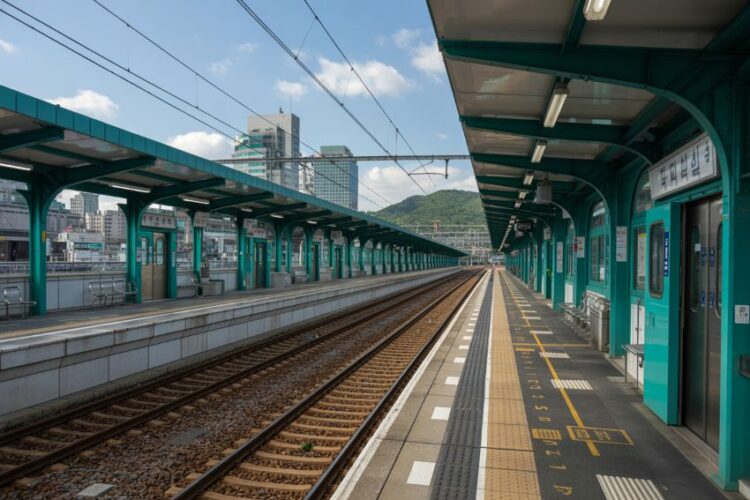
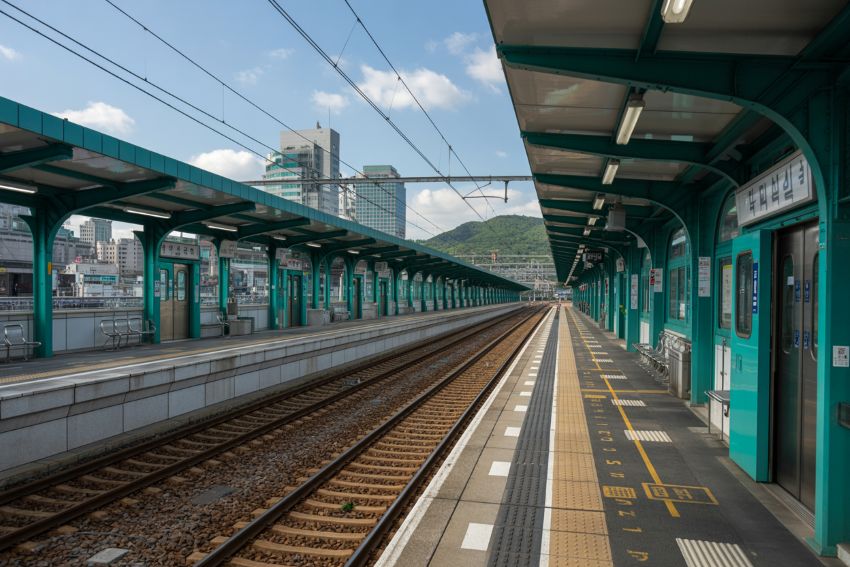
Hongdae Faces A Cultural Crisis: Will South Korea’s New Rail Project Destroy Its Tourism Appeal?
Article Summary:
The article discusses the potential impact of the Daejang-Hongdae Line, a new 20-kilometre metro project in Hongdae, South Korea, on the area’s tourism appeal. Hongdae, known for its vibrant and youthful atmosphere, is at a crossroads as the proposed terminus could significantly alter the street culture. The project, connecting southwestern Gyeonggi Province to western Seoul, has sparked mixed reactions, with some celebrating it as a revitalization of transportation while others protest against the potential cultural loss.
Key Points:
Actionable Takeaways:
Contextual Insights:
The proposed Daejang-Hongdae Line represents a significant development in South Korea’s transportation infrastructure, aiming to enhance connectivity between key regions. This project aligns with broader industry trends towards smart city initiatives and sustainable urban development. As cities worldwide seek to balance modernization with cultural preservation, Hongdae’s situation serves as a case study for other urban areas facing similar challenges. The project’s success will depend on its ability to integrate seamlessly with the existing cultural fabric of Hongdae, ensuring that the area remains a vibrant and attractive destination for tourists and locals alike. The article also highlights the importance of leveraging travel technology to enhance visitor experiences, a trend that is increasingly relevant in the modern travel industry.
Read the Complete Article.
Boutique Travel VC raises investment cap from $1.5M to $10M to lead rounds and support portfolio companies through growth Travel...
Read moreDetails




