





















Travel Capitalist Ventures Expands Check Size to $10 Million to Deepen Emerging Market Conviction
Boutique Travel VC raises investment cap from $1.5M to $10M to lead rounds and support portfolio companies through growth Travel...
Read moreDetails
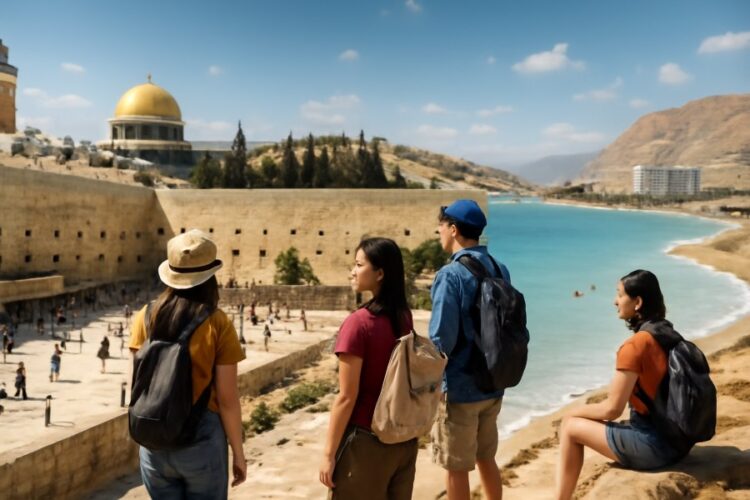
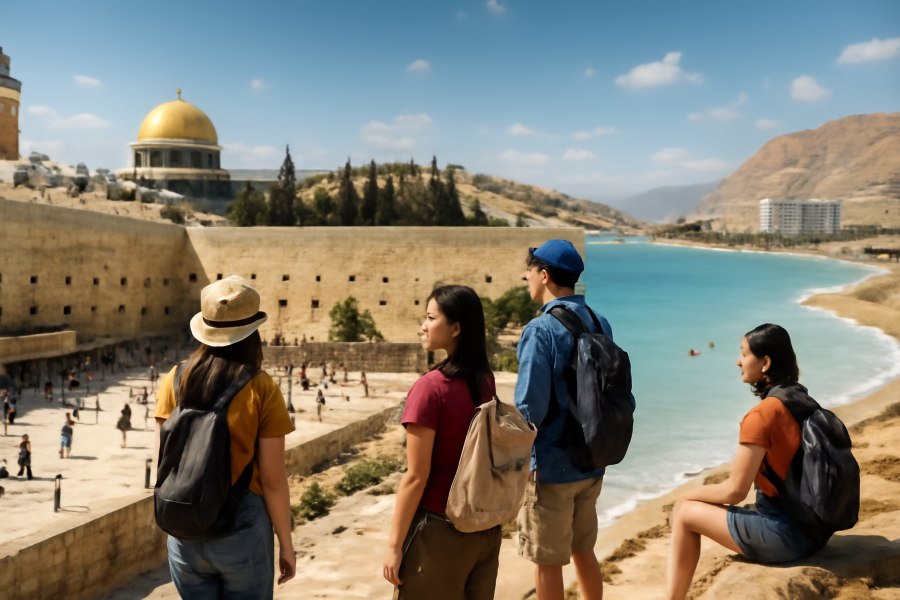
Israel Enhances Travel Ties with South Korea: New Opportunities for Pilgrimage Tours
Article Summary:
Israel is enhancing its travel ties with South Korea, aiming to expand its appeal, particularly within religious tourism, and enhance its presence in Asia. This initiative was highlighted at a seminar held in Seoul by the Ministry of Tourism in Israel, which gathered over 200 key figures. The event marked a significant step in Israel’s strategy to boost tourism from South Korea, signaling a new chapter in religious tourism between the two countries.
Key Points:
Actionable Takeaways:
Enhanced Religious Tourism Opportunities: Israel’s focus on religious tourism with South Korea presents a significant opportunity for travel agencies and tour operators specializing in religious pilgrimages. By leveraging this partnership, these entities can develop tailored packages that cater to the spiritual interests of South Korean pilgrims, potentially increasing their market share in this niche segment.
Strategic Partnerships for Market Expansion: The seminar’s success underscores the importance of strategic partnerships in expanding market reach. Travel companies should explore collaborations with Israeli tourism boards and Korean travel agencies to capitalize on this emerging market. Such partnerships can facilitate joint marketing efforts, shared resources, and co-branded travel packages, enhancing visibility and accessibility for travelers from both regions.
Contextual Insights:
The article reflects a broader trend in the travel industry towards expanding market presence in Asia, particularly in countries with strong religious tourism potential. As global travel continues to recover post-pandemic, countries are seeking new avenues to attract international visitors. Israel’s initiative with South Korea aligns with this trend, highlighting the importance of cultural and religious tourism in driving economic growth. Furthermore, the seminar’s focus on deepening ties indicates a strategic shift towards long-term partnerships, rather than short-term promotional campaigns. This approach not only fosters mutual growth but also ensures sustained interest and engagement from travelers, thereby contributing to the resilience and dynamism of the travel sector.
Read the Complete Article.
Boutique Travel VC raises investment cap from $1.5M to $10M to lead rounds and support portfolio companies through growth Travel...
Read moreDetails




