
























Travel Capitalist Ventures Expands Check Size to $10 Million to Deepen Emerging Market Conviction
Boutique Travel VC raises investment cap from $1.5M to $10M to lead rounds and support portfolio companies through growth Travel...
Read moreDetails


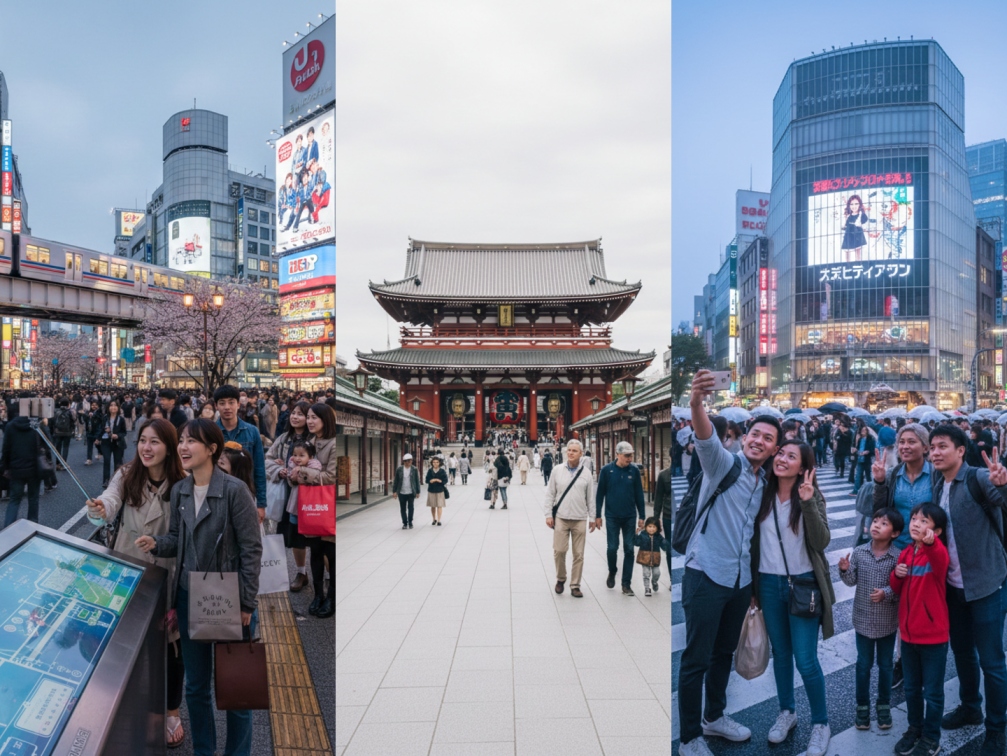
South Korea Joins Taiwan, Thailand, Indonesia and Singapore in Boosting Japan’s Tourism While Chines...
Comprehensive Summarization:
The article discusses the recent fluctuations in Japan’s tourism industry, highlighting a significant decline in visitor numbers from China, while countries such as South Korea, Taiwan, Thailand, Indonesia, and Singapore have contributed to a rise in tourism. This shift is attributed to various factors, including regional travel policies, economic conditions, and the ongoing global travel recovery post-pandemic. The article provides a detailed analysis of these trends, offering insights into the broader implications for Japan’s tourism sector and the travel industry at large.
Key Points:
Actionable Takeaways:
Diversification of Tourism Markets: To mitigate the impact of any single market’s decline, Japan should focus on diversifying its tourism markets. This strategy involves promoting Japan as a tourist destination to a broader range of countries, including those that have seen increased visitor numbers. This approach can help stabilize tourism revenue and reduce dependency on any single market.
Enhanced Marketing and Promotion: Leveraging digital marketing and social media platforms can help promote Japan to potential tourists in countries like South Korea, Taiwan, and Indonesia. Highlighting unique aspects of Japan, such as its cultural heritage, natural beauty, and technological advancements, can attract more visitors. Collaborating with travel influencers and thought leaders from these regions can amplify the reach and impact of these marketing efforts.
Policy and Economic Support: Governments and tourism boards should implement policies and economic incentives to attract tourists from declining markets like China. This could include offering competitive pricing, flexible visa policies, and promotional campaigns. Additionally, supporting local businesses and service providers to enhance the tourist experience can improve visitor satisfaction and encourage repeat visits.
Contextual Insights:
The article’s context is deeply rooted in the current state of global travel, particularly post-pandemic recovery. The significant decline in Chinese tourists highlights the sensitivity of Japan’s tourism industry to geopolitical and economic shifts. The rise in tourism from countries like South Korea and Taiwan reflects broader regional travel trends, influenced by factors such as regional stability, economic conditions, and cultural affinity. These trends underscore the importance of understanding and adapting to changing consumer behaviors and preferences in the travel industry. Furthermore, the article’s emphasis on leveraging technological advancements and digital marketing aligns with current industry trends, emphasizing the need for innovation and strategic adaptation to thrive in a competitive market.
Read the Complete Article.
Boutique Travel VC raises investment cap from $1.5M to $10M to lead rounds and support portfolio companies through growth Travel...
Read moreDetails




