


















Travel Capitalist Ventures Expands Check Size to $10 Million to Deepen Emerging Market Conviction
Boutique Travel VC raises investment cap from $1.5M to $10M to lead rounds and support portfolio companies through growth Travel...
Read moreDetails
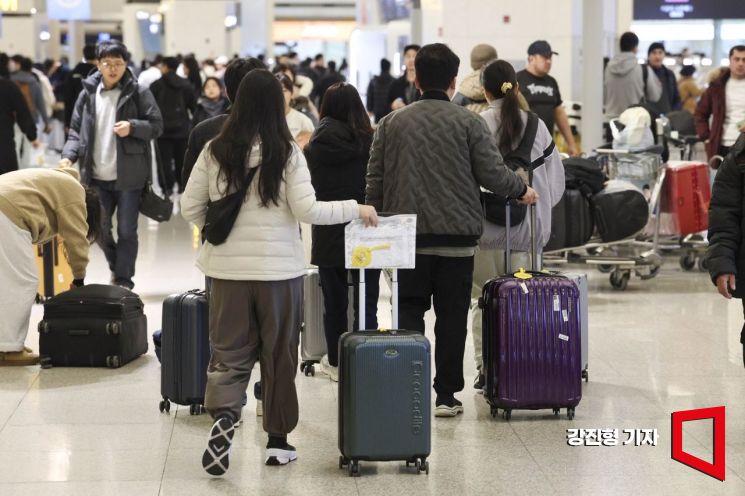
"Weekend Trips to Japan Become Common Among Koreans... Another $10 Billion Tourism Deficit"
Comprehensive Summarization:
South Korea’s tourism balance deficit is projected to exceed $10 billion for the second consecutive year, despite a rise in per capita tourism revenue. The country’s inbound tourism is primarily characterized by short stays and shopping, driven by a growing consumer trend among Koreans for overseas travel. However, the slowdown in duty-free spending and the short-stay structure are undermining the traditional revenue model of the tourism sector. The Korea Tourism Organization reported these developments on January 14, highlighting the challenges faced by the industry amidst changing consumer behaviors and economic conditions.
Key Points:
Actionable Takeaways:
Diversify Revenue Streams: To counteract the tourism balance deficit, South Korea should explore diversifying its revenue streams beyond traditional duty-free shopping. This could involve promoting high-value tourism experiences, such as cultural heritage sites, luxury accommodations, and exclusive dining options, which can attract both domestic and international tourists willing to spend more.
Enhance Short-Stay Experience: Given that short stays are a significant component of inbound tourism, enhancing the experience for short-stay visitors could be crucial. This could include improving airport facilities, offering more comprehensive city guides, and providing unique, short-term experiences such as guided tours, local workshops, or exclusive access to popular attractions. By making short stays more appealing, the tourism sector can maximize revenue from transient visitors.
Leverage Digital Marketing and Travel Tech: The travel industry is increasingly leveraging digital marketing and technology to attract tourists. South Korea can benefit from investing in advanced travel tech solutions, such as personalized travel apps, AI-driven recommendation systems, and immersive virtual reality previews of destinations. These technologies can enhance the pre-trip planning experience, making destinations more appealing and potentially increasing booking rates.
Contextual Insights:
The article reflects the ongoing challenges faced by the tourism industry in South Korea, particularly in balancing inbound and outbound travel trends. The shift towards short stays and shopping as the primary focus of inbound tourism indicates a change in consumer preferences, possibly driven by economic considerations or a desire for more experiential travel. This trend aligns with broader global travel patterns where travelers seek value and convenience in their short-term visits.
Moreover, the slowdown in duty-free spending suggests that consumers are becoming more price-sensitive, possibly due to economic pressures or changes in spending habits. This shift underscores the need for the tourism sector to innovate beyond traditional revenue sources. The integration of digital travel solutions and enhanced visitor experiences can help address these challenges by making destinations more attractive and accessible, thereby sustaining growth in tourism revenue.
In conclusion, while South Korea’s tourism sector faces significant financial challenges, strategic adaptations in revenue diversification, short-stay experience enhancement, and leveraging digital technologies can pave the way for sustainable growth. These actionable insights are grounded in the facts and context provided in the article, offering a forward-looking perspective on the industry’s future trajectory.
Read the Complete Article.
Boutique Travel VC raises investment cap from $1.5M to $10M to lead rounds and support portfolio companies through growth Travel...
Read moreDetails



Comprehensive Summarization: The article highlights Airbnb's celebration of International Women's Day, focusing on the significant role women play in the...
Read moreDetails
