





















Travel Capitalist Ventures Expands Check Size to $10 Million to Deepen Emerging Market Conviction
Boutique Travel VC raises investment cap from $1.5M to $10M to lead rounds and support portfolio companies through growth Travel...
Read moreDetails
In-Depth
Comprehensive Summarization:
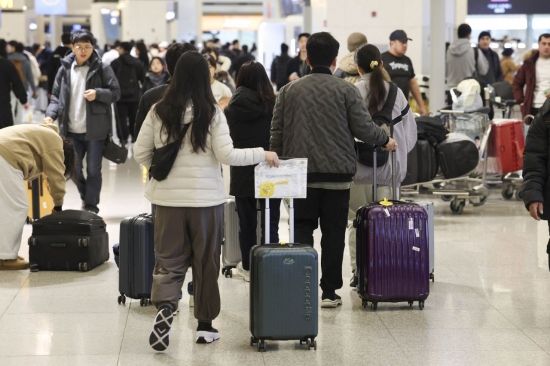
South Korea’s tourism balance deficit is projected to exceed $10 billion for the second consecutive year, despite a rise in per capita tourism revenue. The article highlights that while overseas travel has become a consumer trend among Koreans, inbound tourism by foreigners is primarily focused on short stays and shopping. The Korea Tourism Organization reported a deficit of 9.3334 billion dollars (approximately 13.75 trillion won) for the previous year. The slowdown in duty-free shopping and the short-stay structure of tourism are identified as factors undermining the traditional revenue model of the tourism industry in South Korea.
Key Points:
Actionable Takeaways:
Diversification of Tourism Revenue Streams: To mitigate the tourism balance deficit, South Korea should explore diversification of revenue streams beyond short-stay, duty-free shopping focused tourism. This could include promoting longer stays, cultural experiences, and high-end tourism offerings to increase revenue.
Enhancing Duty-Free Shopping Experience: Given that duty-free shopping is a significant part of inbound tourism, enhancing the duty-free shopping experience could help boost revenue. This could involve improving product offerings, providing better customer service, or integrating technology to offer personalized shopping experiences.
Promoting Longer Stays: Encouraging longer stays among tourists could help stabilize the tourism balance. This could be achieved by offering attractive packages, discounts for longer stays, or promoting unique experiences that justify a longer visit.
Contextual Insights:
The article reflects the current trend in the travel industry where short-stay, shopping-focused tourism is becoming increasingly popular among Koreans. This trend is driven by the rise of consumerism and the desire for quick, convenient travel experiences. However, the article also highlights the challenges this trend poses to traditional revenue models in the tourism industry. The slowdown in duty-free shopping and the preference for short stays are significant factors contributing to the tourism balance deficit.
Looking forward, the travel industry in South Korea needs to adapt to these changing consumer preferences. This could involve leveraging technology to offer personalized, high-end experiences that justify longer stays. Additionally, promoting duty-free shopping as a premium experience could help boost revenue. The insights from this article underscore the importance of innovation and adaptation in the face of changing consumer trends in the travel industry.
Read the Complete Article.
Boutique Travel VC raises investment cap from $1.5M to $10M to lead rounds and support portfolio companies through growth Travel...
Read moreDetails



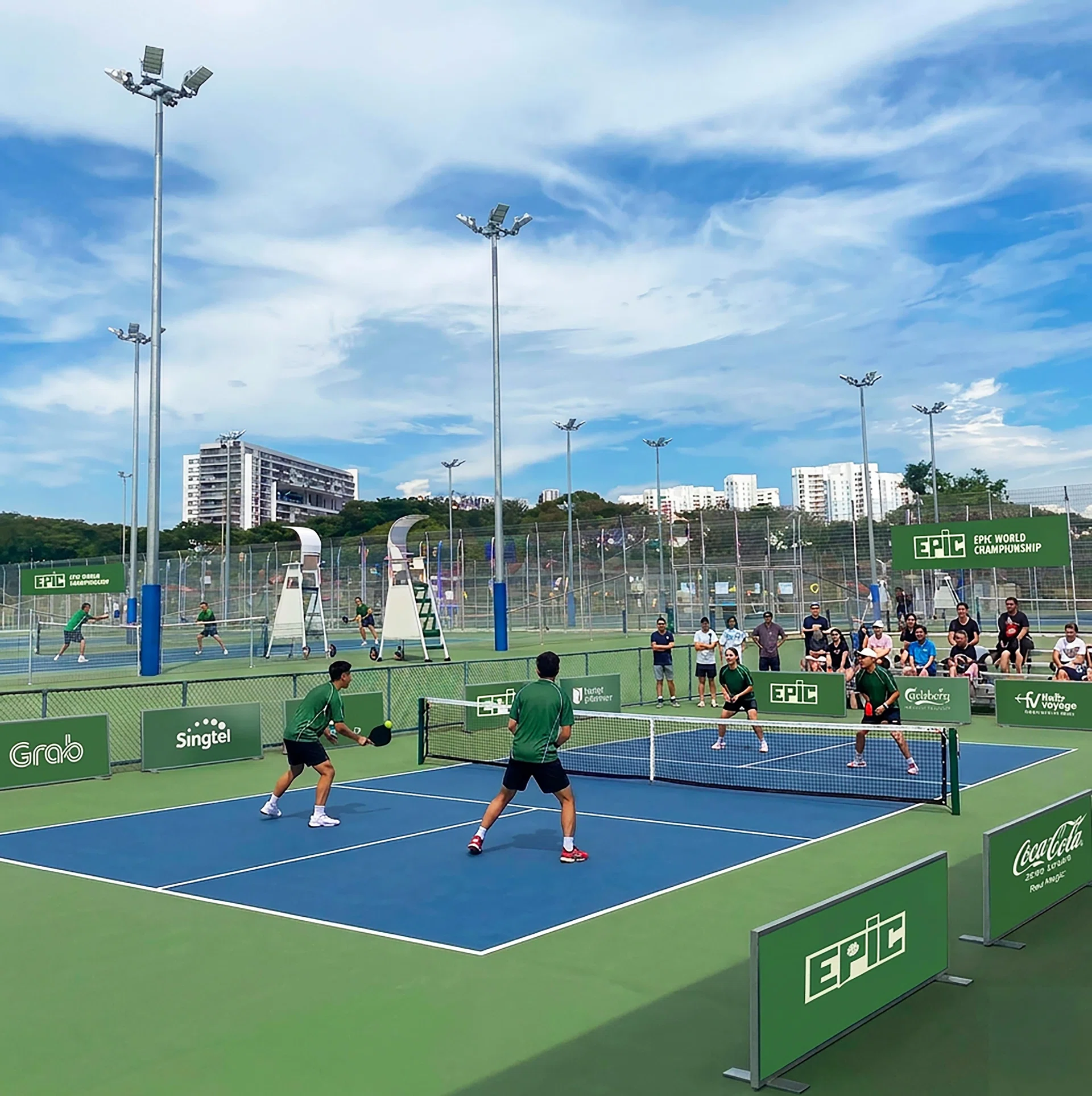
Comprehensive Summarization: The Singapore Tourism Board (STB) is set to host the inaugural Epic World Championship, a four-day amateur pickleball...
Read moreDetails
