



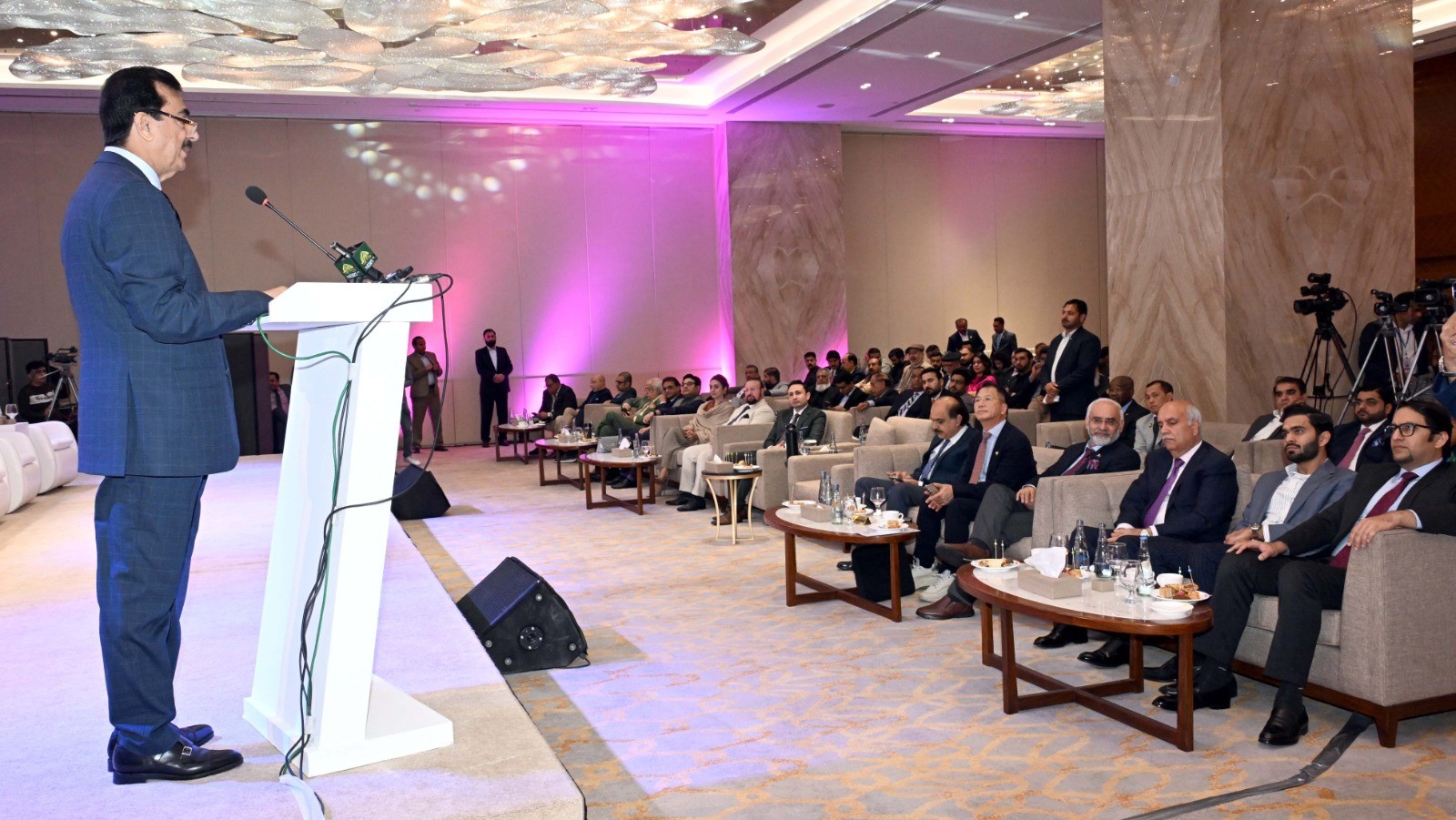



















Travel Capitalist Ventures Expands Check Size to $10 Million to Deepen Emerging Market Conviction
Boutique Travel VC raises investment cap from $1.5M to $10M to lead rounds and support portfolio companies through growth Travel...
Read moreDetails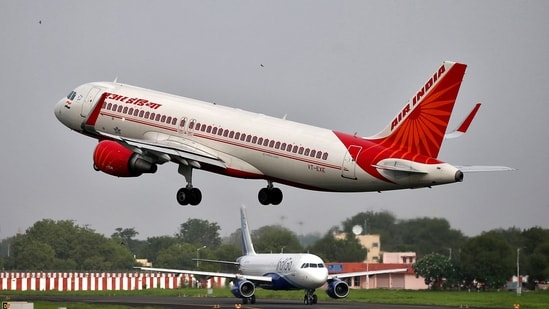


Jeju to Seoul Gimpo Becomes 2025’s Busiest Route — Korean Air & Asiana Take Over, Boosting Tourism a...
Article Summary:
In 2025, the Jeju to Seoul Gimpo flight corridor has become the world’s busiest route, with 14.4 million seats scheduled for the year. This surge in air travel, facilitated by the expansion of services by Korean Air and Asiana Airlines, is significantly boosting tourism and hotel demand in both Jeju and Seoul. The development highlights the growing importance of domestic air travel in the Asia-Pacific region and underscores the strategic importance of this route in South Korea’s travel landscape.
Key Points:
Actionable Takeaways:
Contextual Insights:
The emergence of the Jeju to Seoul Gimpo route as the world’s busiest in 2025 reflects broader trends in the travel industry, particularly the increasing reliance on domestic air travel for tourism and business purposes. This trend is supported by the ongoing growth of the Asia-Pacific region, where urbanization and economic development are driving demand for efficient and convenient travel options. The strategic expansion of services by Korean Air and Asiana Airlines aligns with this trend, positioning them as key players in the domestic travel market. For travel startups and fintech companies, this trend presents opportunities to innovate in areas such as travel booking platforms, loyalty programs, and payment solutions tailored for domestic air travel. By capitalizing on the growing demand for air travel, these entities can develop solutions that enhance the travel experience, streamline booking processes, and provide seamless payment options, thereby contributing to the overall growth of the travel industry.
Read the Complete Article.
Boutique Travel VC raises investment cap from $1.5M to $10M to lead rounds and support portfolio companies through growth Travel...
Read moreDetails




