





















Travel Capitalist Ventures Expands Check Size to $10 Million to Deepen Emerging Market Conviction
Boutique Travel VC raises investment cap from $1.5M to $10M to lead rounds and support portfolio companies through growth Travel...
Read moreDetails
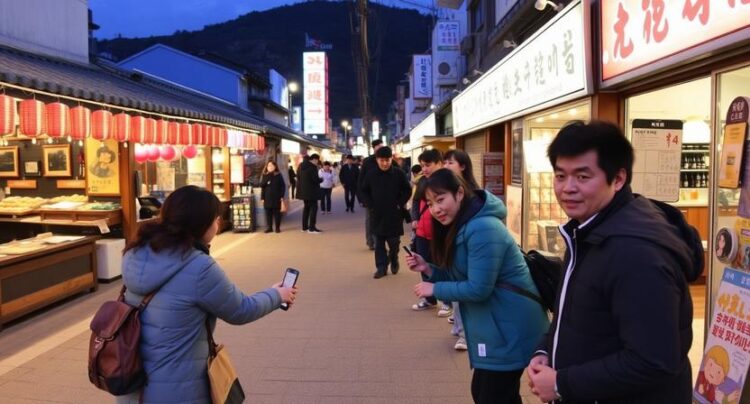
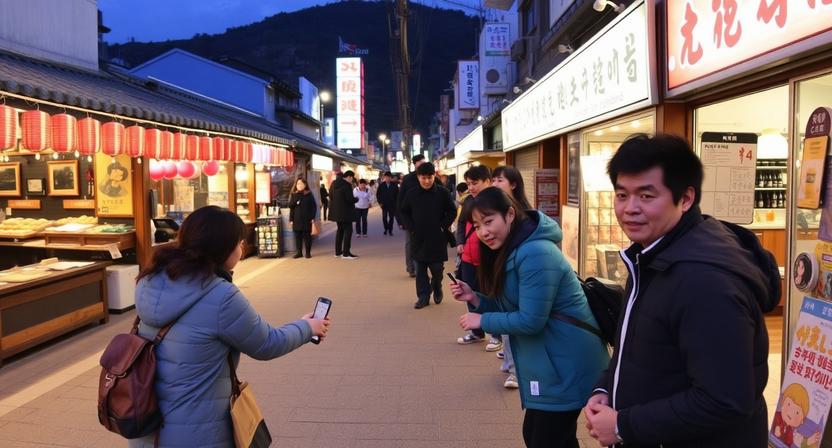
K-Digging Tourism Drives Growth of South Korea Offering Their Authentic Local Experiences in Mapo an...
Article Summary:
The article discusses the growing trend of “K-Digging” tourism in South Korea, a new form of tourism that emphasizes immersive, experiential experiences of life as South Koreans live rather than just visiting popular tourist sites. This shift in tourism patterns is contributing to the growth of South Korea’s tourism industry, as international tourists increasingly seek authentic local experiences in areas like Mapo and Seongsu-dong. The article highlights the changing preferences of international tourists and the role of immersive tourism in shaping the future of South Korea’s tourism sector.
Key Points:
Emergence of K-Digging Tourism: The article introduces “K-Digging” tourism, a trend where international tourists engage in immersive experiences to understand and participate in daily life in South Korea, moving away from traditional site-seeing.
Shift in Tourism Preferences: There is a noticeable change in the interests of international tourists, with a growing preference for authentic, immersive experiences over conventional tourist attractions like Gyeongbokgung Palace.
Impact on Tourism Growth: This shift in tourism patterns is contributing to the growth of South Korea’s tourism industry, indicating a successful adaptation to evolving global travel trends.
Actionable Takeaways:
Focus on Experiential Tourism: Travel companies and destinations should prioritize developing immersive, experiential tourism offerings to attract international tourists seeking authentic local experiences. This could involve partnerships with local communities to create genuine cultural exchanges and activities.
Leverage Technology for Authentic Experiences: Utilize technology to enhance the authenticity of tourism experiences. This could include virtual reality tours, interactive local guides, or apps that provide real-time insights into local life, making the experience more engaging and personalized for tourists.
Invest in Local Community Engagement: Collaborate with local communities to ensure that tourism activities are sustainable and beneficial to the local population. This could involve training local guides, supporting local businesses, and ensuring that tourism revenue directly benefits the community, thereby enhancing the authenticity of the tourist experience.
Contextual Insights:
The rise of K-Digging tourism reflects a broader trend in the travel industry towards experiential travel, where the focus is on creating meaningful, immersive experiences rather than merely visiting landmarks. This shift is driven by changing consumer preferences, where travelers seek deeper connections with the places they visit. The article aligns with current industry trends emphasizing sustainability, authenticity, and personalized experiences. As South Korea adapts to these trends, it sets a precedent for other countries to follow in leveraging tourism as a tool for cultural exchange and economic growth. The integration of technology in enhancing these experiences also highlights the importance of innovation in travel, suggesting that travel startups and fintech solutions will play a crucial role in shaping future tourism offerings.
Read the Complete Article.
Boutique Travel VC raises investment cap from $1.5M to $10M to lead rounds and support portfolio companies through growth Travel...
Read moreDetails




