


















Travel Capitalist Ventures Expands Check Size to $10 Million to Deepen Emerging Market Conviction
Boutique Travel VC raises investment cap from $1.5M to $10M to lead rounds and support portfolio companies through growth Travel...
Read moreDetails
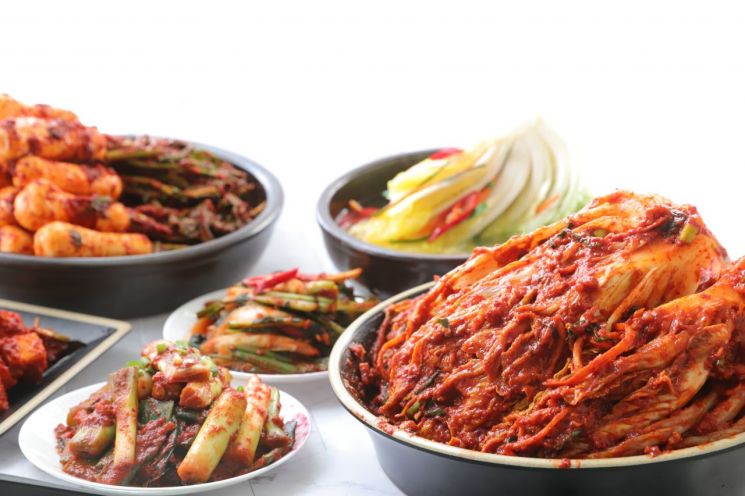
Controversy Over Kimchi Labeled as "Pao Cai" in Seoul's Official Promotional Materials... City Vows ...
Comprehensive Summarization:
The article discusses a persistent mistranslation issue in Seoul’s Chinese website and tourism guidebook, where “kimchi” is inaccurately translated as “Pao Cai.” This error, despite the government’s 5-year-old designation of “Xin Qi” as the correct term, continues in official promotional materials. The controversy highlights a lapse in adhering to the government’s labeling guidelines, which could impact the accuracy and credibility of tourism information for Chinese visitors. The article also touches on broader travel trends and insights, emphasizing the importance of precise translation and adherence to official guidelines in the travel industry.
Key Points:
Actionable Takeaways:
Importance of Accurate Translation in Tourism: Ensuring correct translations, such as using “Xin Qi” instead of “Pao Cai” for kimchi, is crucial for maintaining the credibility and accuracy of tourism information. This directly impacts the visitor experience and the reputation of the destination.
Adherence to Official Guidelines: Travel agencies and promotional materials should strictly follow government-designated terms and labeling guidelines to avoid misinformation and maintain professionalism. This adherence is essential for building trust with international tourists.
Continuous Monitoring and Updates: Regularly updating promotional materials to reflect the latest official guidelines is necessary to prevent translation errors. This proactive approach ensures that tourism information remains accurate and reliable.
Contextual Insights:
The article reflects a broader trend in the travel industry towards enhancing accuracy and reliability in promotional content. As globalization continues, the demand for precise translations and adherence to official guidelines becomes increasingly critical. This issue highlights the need for continuous education and training for tourism professionals to ensure they are up-to-date with the latest official terminology and labeling practices. Furthermore, the article underscores the importance of leveraging technology to facilitate accurate translations and maintain consistency across different platforms and languages. By integrating these insights, the travel industry can enhance the visitor experience and foster a more positive perception of destinations worldwide.
Read the Complete Article.
Boutique Travel VC raises investment cap from $1.5M to $10M to lead rounds and support portfolio companies through growth Travel...
Read moreDetails



Comprehensive Summarization: The article discusses the tightening of safety rules in Laos' tourism sector following a series of incidents involving...
Read moreDetails
