













Travel Capitalist Ventures Expands Check Size to $10 Million to Deepen Emerging Market Conviction
Boutique Travel VC raises investment cap from $1.5M to $10M to lead rounds and support portfolio companies through growth Travel...
Read moreDetails

Comprehensive Summarization:
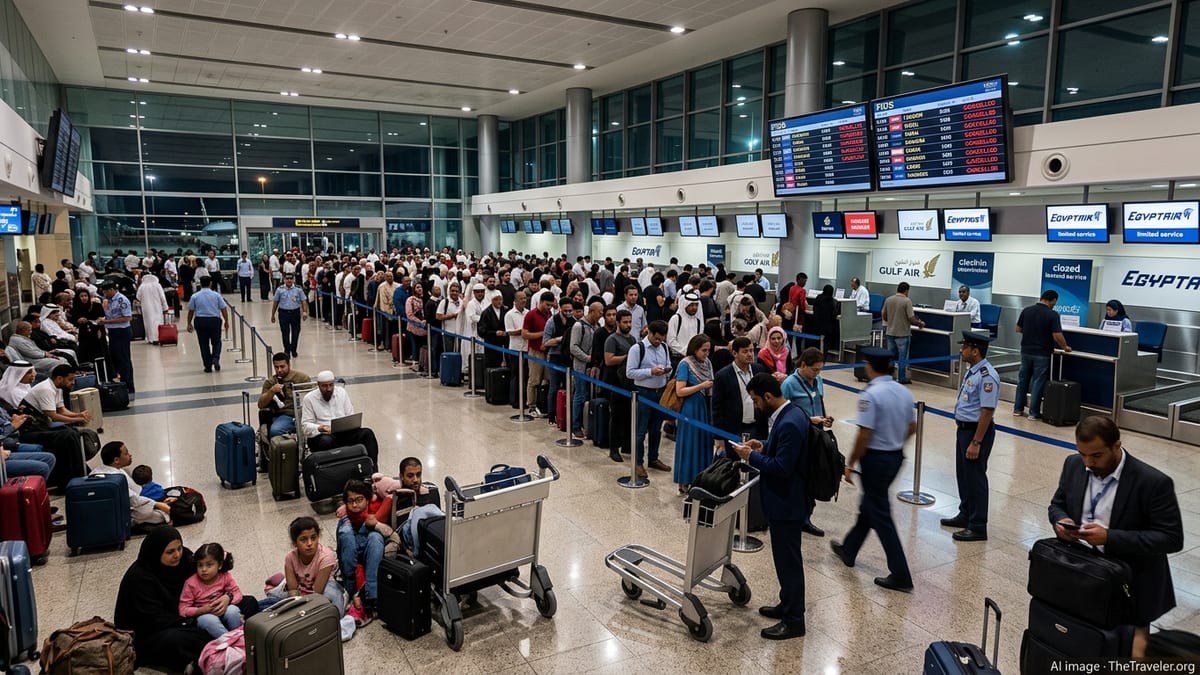
South Korea has issued a travel ban on all parts of Iran following a series of strikes by the United States and Israel on the country. The foreign ministry raised Iran’s travel alert from Level 3 to Level 4, the highest in South Korea’s four-tier travel warning system, prohibiting travel to the country. The ministry warned that South Korean nationals who visit or remain in Iran without prior authorization may face punishment under relevant laws. The article also touches on the latest travel trends and insights from thought leaders, highlighting the evolving landscape of the travel industry amidst geopolitical tensions.
Key Points:
Actionable Takeaways:
Travel Ban Implementation: South Korea’s decision to issue a travel ban on Iran underscores the heightened security risks in the region. Travel agencies and tour operators should advise clients against travel to Iran and monitor for any updates or changes in travel advisories.
Risk Assessment and Communication: Travel companies should enhance their risk assessment protocols for destinations affected by geopolitical tensions. Clear communication with clients about potential risks and the importance of adhering to travel advisories is crucial.
Compliance and Legal Awareness: Travel agencies must ensure that their staff is aware of the legal implications for South Korean nationals traveling to Iran. This includes understanding the penalties under South Korean law and advising clients accordingly.
Contextual Insights:
The travel ban on Iran by South Korea reflects the broader trend of countries tightening travel restrictions in response to geopolitical tensions. This move is part of a larger context where travel advisories are increasingly used as tools to manage risk in an unpredictable global environment. The article also highlights the importance of real-time information dissemination, a trend that is becoming increasingly critical in the travel industry. As geopolitical situations evolve rapidly, travel companies must leverage technology and data analytics to provide timely and accurate information to their clients. This not only helps in managing client expectations but also in making informed decisions regarding travel plans.
Handling Different Article Types:
The article in question is a news blurb, providing factual information about a recent travel advisory issued by South Korea. News blurbs are typically concise and factual, focusing on the main events or developments. In this case, the article outlines the reasons for the travel ban, the immediate impact on travelers, and the legal consequences for South Korean nationals. The structured output format ensures that the key points and actionable takeaways are clearly presented, making it easy for readers to digest the information quickly. This approach is particularly useful for a professional audience that relies on timely and accurate information to make strategic decisions in the travel industry.
Read the Complete Article.
Boutique Travel VC raises investment cap from $1.5M to $10M to lead rounds and support portfolio companies through growth Travel...
Read moreDetails


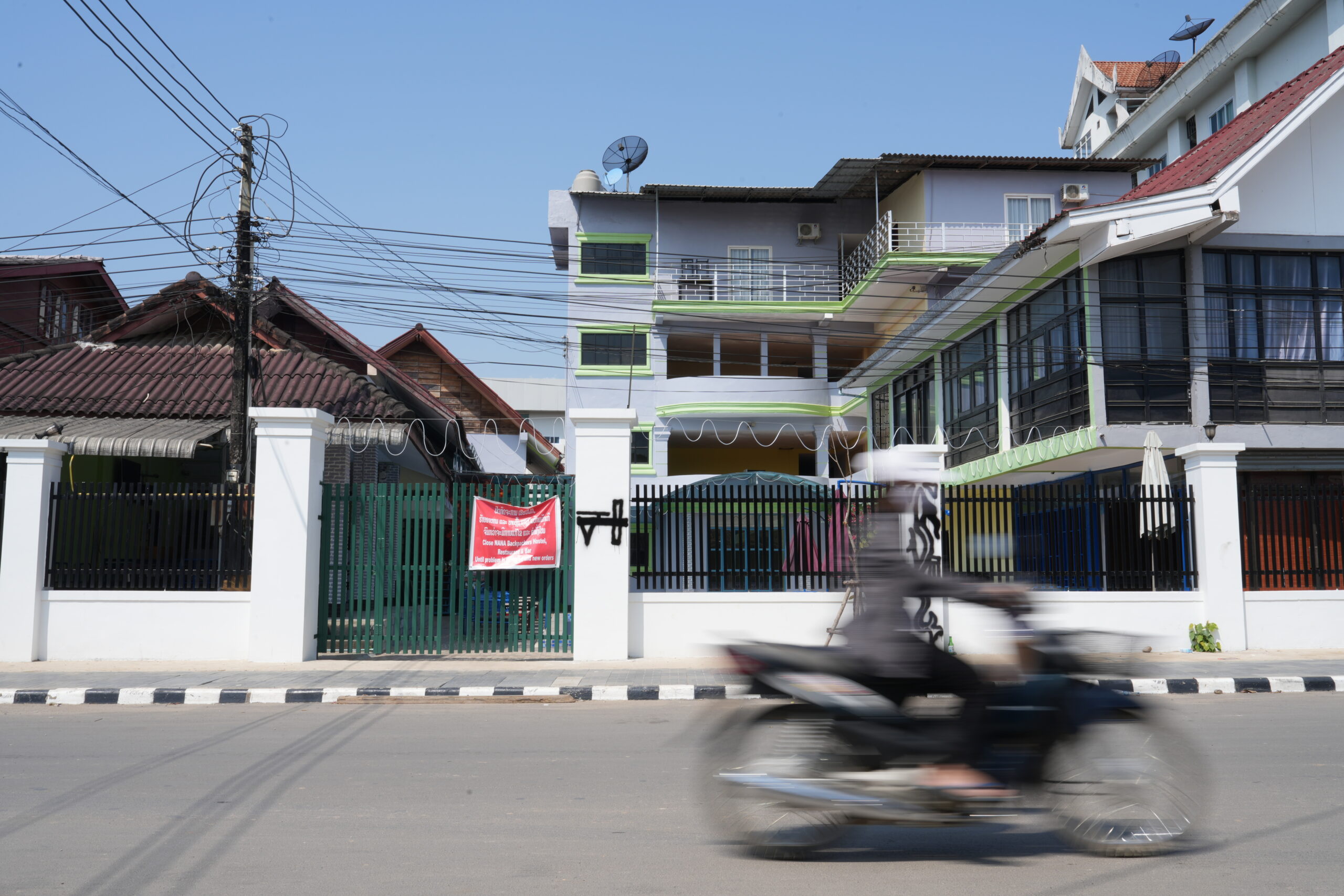
Comprehensive Summarization: The article discusses the tightening of safety rules in Laos' tourism sector following a series of incidents involving...
Read moreDetails
