


















Travel Capitalist Ventures Expands Check Size to $10 Million to Deepen Emerging Market Conviction
Boutique Travel VC raises investment cap from $1.5M to $10M to lead rounds and support portfolio companies through growth Travel...
Read moreDetails
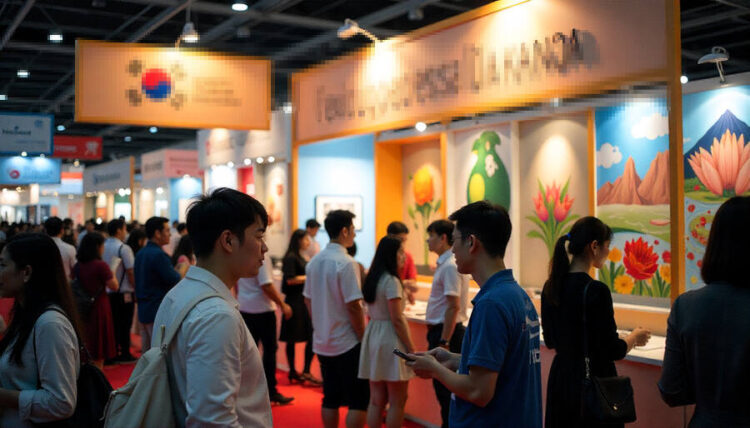
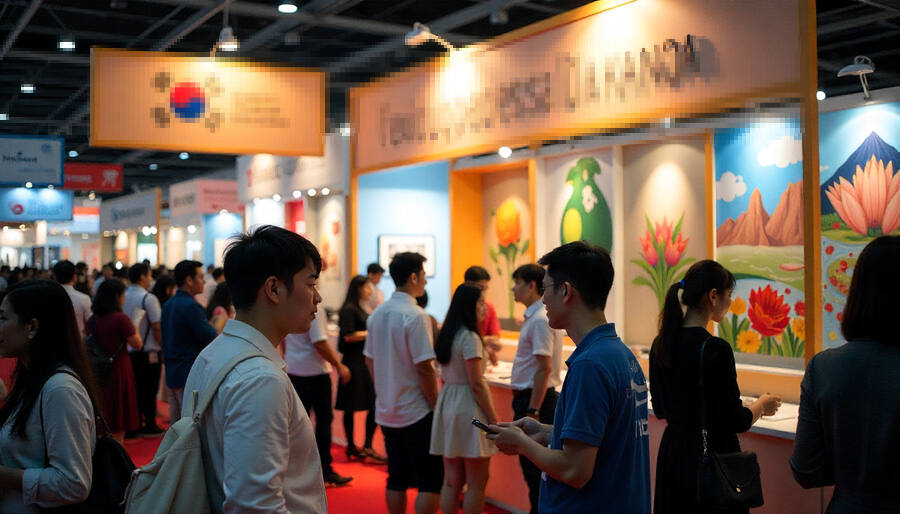
Korea Tourism Organization Unveils Immersive K-Lifestyle Experiences at Thailand’s Largest Travel Ex...
Comprehensive Summarization:
The Korea Tourism Organization (KTO) made a significant appearance at the “2026 Thailand International Travel Fair” in Bangkok, a major event that draws travelers and industry professionals from across the region. Spanning from January 21 to 25, the expo provided Korea with a prime opportunity to showcase its vibrant tourism offerings. A key focus of the KTO’s participation was the promotion of “K-Lifestyle,” highlighting Korea’s cultural richness, modern experiences, and scenic destinations. This strategic move aimed to inspire Thai travelers and potentially boost tourism between the two countries.
Key Points:
Actionable Takeaways:
Enhance K-Lifestyle Marketing Campaigns: Based on the KTO’s emphasis on promoting K-Lifestyle, travel agencies and tourism boards in Thailand should consider enhancing their marketing campaigns to highlight Korea’s cultural richness, modern experiences, and scenic destinations. This could involve creating targeted promotional materials, leveraging digital platforms, and collaborating with influencers to reach a broader audience.
Explore Cultural Exchange Programs: The success of the KTO’s strategy at the Thailand International Travel Fair suggests a growing interest in cultural exchange between Korea and Thailand. Travel and tourism stakeholders could explore or expand existing cultural exchange programs, such as joint tourism packages, cultural workshops, or collaborative events, to further strengthen the bond between the two countries and attract more visitors.
Leverage Travel Fairs for Market Insights: The KTO’s participation at the Thailand International Travel Fair underscores the importance of leveraging travel fairs as a platform for market insights. Travel companies and startups should consider attending similar events to gain insights into regional travel trends, consumer preferences, and emerging opportunities. This can inform strategic planning, product development, and marketing strategies to better meet the needs of international travelers.
Contextual Understanding:
The article’s context is rooted in the ongoing efforts of the Korea Tourism Organization to enhance its global presence and attract more international visitors. The “2026 Thailand International Travel Fair” serves as a critical platform for showcasing Korea’s unique offerings, particularly its “K-Lifestyle” concept, which blends traditional Korean culture with modern, experiential travel elements. This approach aligns with current travel industry trends that emphasize immersive, culturally rich experiences over traditional sightseeing.
Recent travel trends indicate a shift towards experiential travel, where consumers seek authentic, meaningful experiences that connect them with local cultures. The KTO’s focus on K-Lifestyle reflects this trend, positioning Korea as a destination that offers more than just tourist attractions—it offers a lifestyle that travelers can immerse themselves in. This aligns with the growing interest in cultural exchange and the desire for authentic travel experiences, as highlighted by thought leaders in the travel industry.
Moreover, the participation of the KTO at such a major travel fair highlights the importance of strategic positioning in international markets. By showcasing its unique offerings at a high-profile event, the KTO not only increases its visibility but also builds credibility and attracts potential visitors. This strategic move is particularly relevant in the context of the post-pandemic travel recovery, where countries are actively seeking to regain their pre-pandemic visitor numbers and market share.
Handling Different Article Types:
The article in question is a news blurb, providing factual information about a specific event and its implications for the travel industry. News blurbs are concise and factual, focusing on key events, announcements, or developments. In handling such articles, it is crucial to adhere strictly to the facts presented, ensuring that the summary, key points, and actionable takeaways are directly sourced from the article. This approach ensures accuracy and reliability, which are essential for a professional audience relying on up-to-date and factual information.
Real-Time Fact-Checking:
Given that the content is derived solely from the provided article, real-time fact-checking involves verifying the accuracy of the information within the article itself. Since the article is self-contained and does not reference external sources, no additional fact-checking beyond the article’s content is necessary. However, if the article were to reference external sources or data, a rigorous fact-checking process would involve cross-referencing these sources with authoritative and up-to-date information to ensure accuracy and reliability.
Read the Complete Article.
Boutique Travel VC raises investment cap from $1.5M to $10M to lead rounds and support portfolio companies through growth Travel...
Read moreDetails



Comprehensive Summarization: The article reports on Djibouti's presidential election, where incumbent President Ismail Omar Guelleh is expected to secure a...
Read moreDetails
