























Travel Capitalist Ventures Expands Check Size to $10 Million to Deepen Emerging Market Conviction
Boutique Travel VC raises investment cap from $1.5M to $10M to lead rounds and support portfolio companies through growth Travel...
Read moreDetails
Korea Tourism Organization Shocks the Global Tourism Industry by Advancing 30 Million Visitor Goal f...
Comprehensive Summarization:
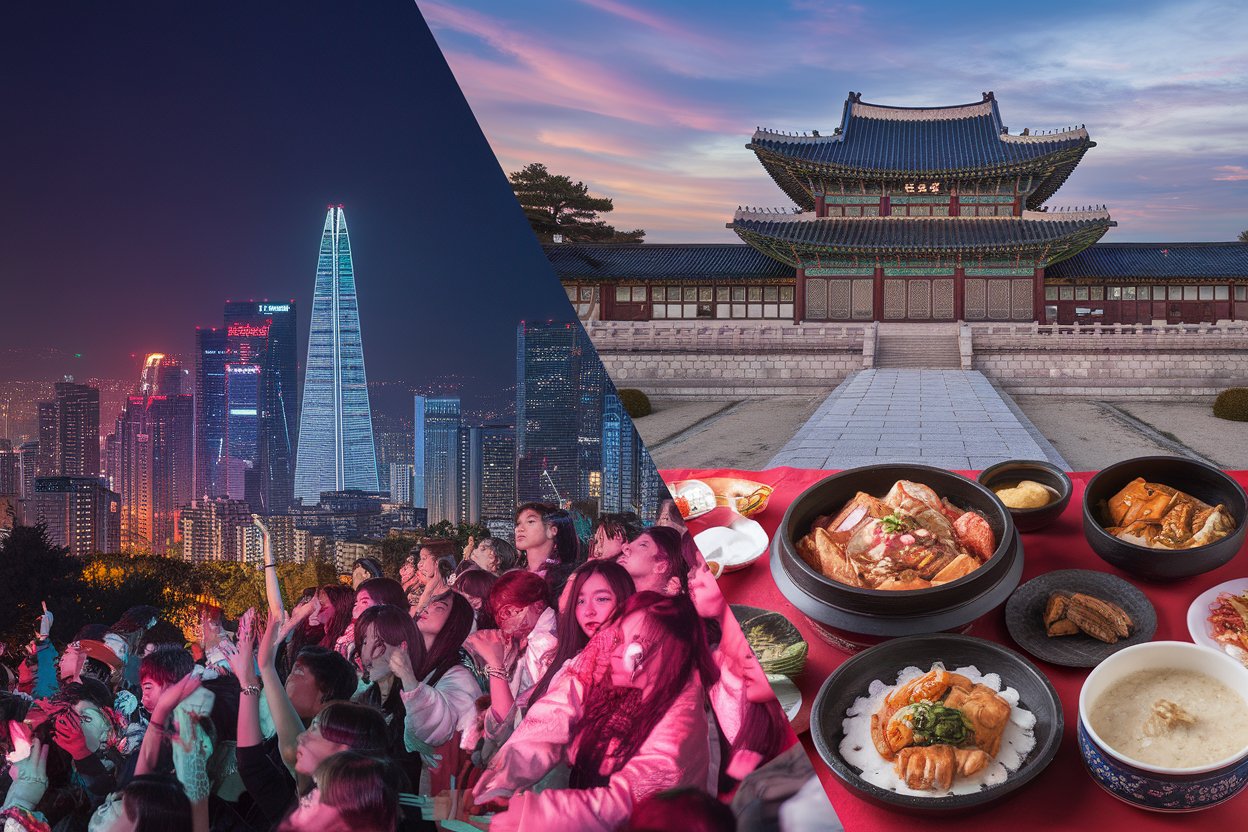
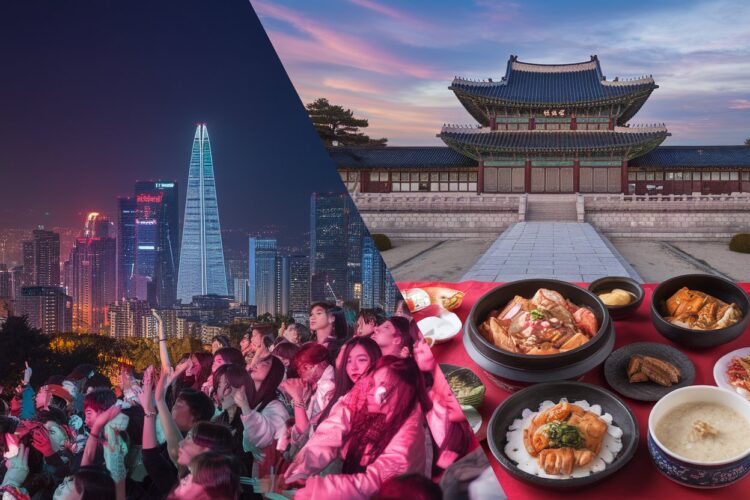
The Korea Tourism Organization has announced a significant strategic shift by advancing its goal of welcoming 30 million inbound visitors from 2030 to 2028. This decision reflects the unstoppable global momentum around Korean culture, often referred to as the K-Culture boom. In 2025, South Korea already welcomed 18.7 million international visitors, with forecasts indicating an annual growth rate of around 16% through 2028. This bold move underscores the organization’s confidence in the country’s tourism potential and its ability to leverage cultural trends to drive unprecedented growth in the travel industry.
Key Points:
Actionable Takeaways:
Leverage Cultural Trends for Tourism Growth: The article underscores the importance of leveraging cultural trends, specifically the K-Culture boom, to drive tourism growth. Travel companies and destinations should identify and capitalize on emerging cultural trends to attract international visitors. This approach can be particularly effective in regions with strong cultural identities and unique offerings.
Strategic Target Setting: The decision to advance the visitor target by two years demonstrates the importance of setting ambitious yet achievable goals in the travel industry. Organizations should regularly reassess and adjust their targets based on market conditions, technological advancements, and cultural trends to remain competitive and drive growth.
Invest in Cultural Experiences: Given the success of the K-Culture boom, there is a clear opportunity for travel companies to invest in immersive cultural experiences. This could include partnerships with cultural institutions, development of themed tours, and promotion of traditional arts and crafts. Such initiatives can enhance the appeal of destinations to culturally curious travelers.
Contextual Insights:
The announcement by the Korea Tourism Organization aligns with the broader trend of destinations leveraging cultural heritage and global cultural phenomena to boost tourism. In recent years, we have seen a surge in destinations capitalizing on cultural movements, such as the rise of wellness tourism in Bali or the popularity of food tourism in Italy. The K-Culture boom exemplifies how cultural trends can create a ripple effect, driving interest, investment, and growth in the tourism sector. This strategic shift by the Korea Tourism Organization not only positions South Korea as a leading destination but also sets a precedent for other countries to follow suit in harnessing cultural trends to achieve tourism milestones. As the travel industry continues to evolve, the ability to adapt to and capitalize on cultural trends will be crucial for sustained growth and competitiveness.
Read the Complete Article.
Boutique Travel VC raises investment cap from $1.5M to $10M to lead rounds and support portfolio companies through growth Travel...
Read moreDetails



Istanbul, Turkey — August 8, 2023 In short: Turkish Airlines appoints new CEO and chairman as Murat Şeker takes over...
Read moreDetails
