
![Songjeong Beach is crowded with surfers. [Yonhap News]](https://images.traveltrade.today/wp-content/uploads/2026/04/Busan-Develops-Wellness-Tourism-Products.png)



























Travel Capitalist Ventures Expands Check Size to $10 Million to Deepen Emerging Market Conviction
Boutique Travel VC raises investment cap from $1.5M to $10M to lead rounds and support portfolio companies through growth Travel...
Read moreDetails
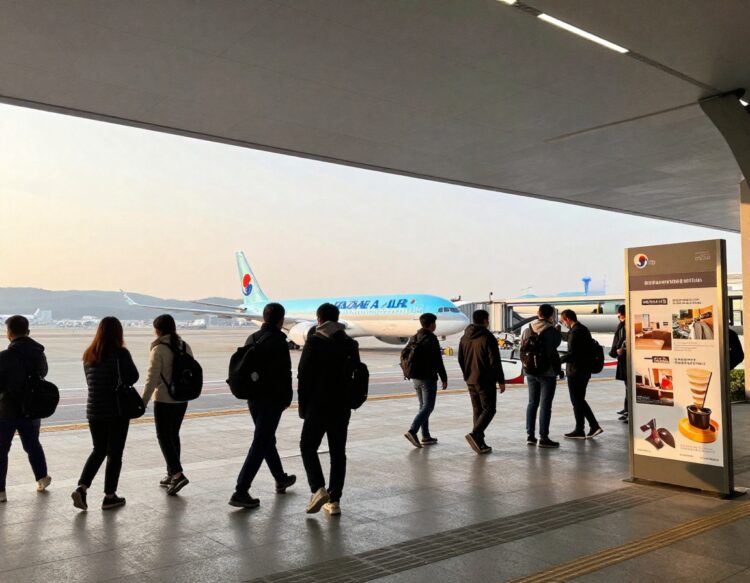
Korean Air Sees Major Growth as Japan and China Drive Record-Breaking Surge in South Korean Air Traf...
Article Summary:
Korean Air, along with Japan and China, is driving a record-breaking surge in South Korea’s international air traffic in 2025. The airline has experienced a remarkable increase in passenger numbers, primarily due to strong demand from Japan, fueled by the country’s economic recovery and the weakening yen. China’s growing travel appetite, combined with South Korea’s rich cultural offerings and modern attractions, has contributed to this surge. The aviation sector in South Korea is reaching unprecedented heights, benefiting hotels, airlines, and tourists alike.
Key Points:
Actionable Takeaways:
Increased Travel Demand: The surge in air traffic to South Korea presents a lucrative opportunity for airlines, hotels, and tour operators. Airlines can capitalize on this demand by enhancing their service offerings, while hotels and tour operators can tailor their packages to attract more visitors.
Economic Opportunities: The growing demand from Japan, driven by economic recovery and favorable exchange rates, indicates a strong economic opportunity for South Korea. Businesses can leverage this trend by investing in marketing campaigns targeting Japanese travelers and exploring partnerships with Japanese travel agencies.
Market Expansion: With China’s travel enthusiasm on the rise, South Korea has a unique opportunity to expand its market presence in this lucrative region. Airlines and travel agencies can develop targeted marketing strategies to attract Chinese tourists, focusing on South Korea’s cultural and modern attractions.
Contextual Insights:
The article reflects the current state of the travel industry, highlighting the impact of economic factors and exchange rates on travel demand. The surge in air traffic to South Korea underscores the importance of understanding regional economic conditions and their influence on travel trends. The growing demand from Japan and China also highlights the interconnectedness of global travel markets and the potential for cross-border collaborations. As the aviation sector in South Korea reaches unprecedented heights, it presents a forward-looking perspective on the industry’s potential for growth and innovation. This context is crucial for stakeholders in the travel industry to adapt their strategies and capitalize on emerging opportunities.
Read the Complete Article.
Boutique Travel VC raises investment cap from $1.5M to $10M to lead rounds and support portfolio companies through growth Travel...
Read moreDetails



Comprehensive Summarization: Expedia Group has partnered with Adyen to integrate the latter's Intelligent Money Movement platform into its operations. This...
Read moreDetails
