






















Travel Capitalist Ventures Expands Check Size to $10 Million to Deepen Emerging Market Conviction
Boutique Travel VC raises investment cap from $1.5M to $10M to lead rounds and support portfolio companies through growth Travel...
Read moreDetails
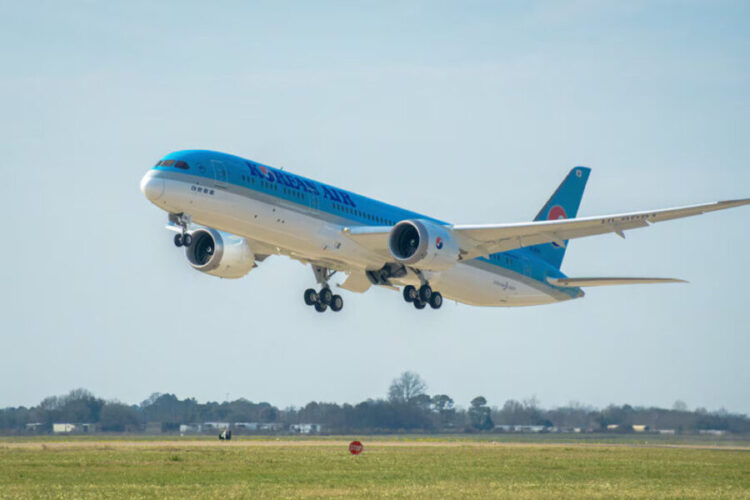
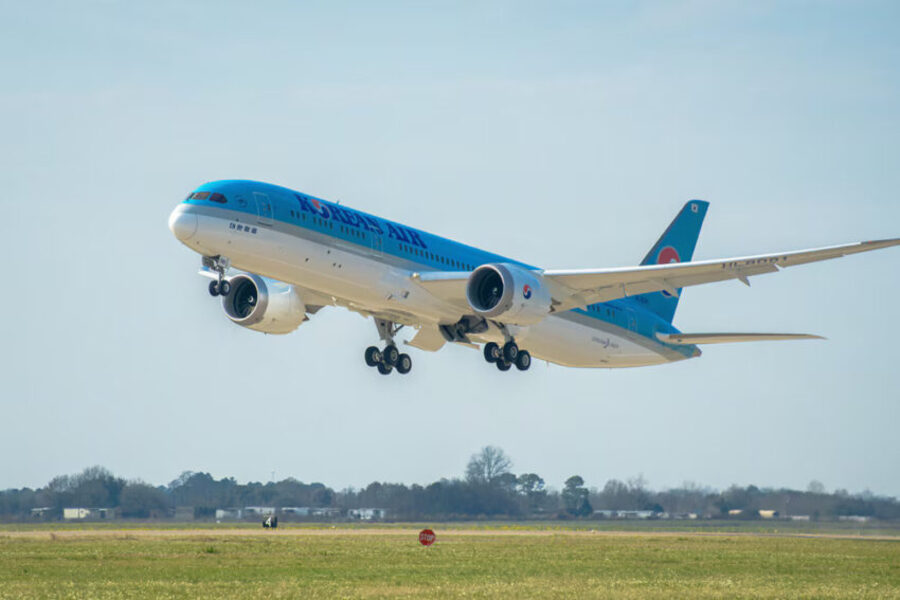
Korean Air Drives Unprecedented Surge in South Korea-China Air Travel with Record-Breaking Passenger...
Article Summary:
Korean Air has reported a significant surge in passenger numbers between South Korea and China, driven by a combination of record-breaking travel growth and strategic government initiatives. The airline’s expansion in this route is particularly notable, with key routes to Shanghai, Beijing, and Qingdao experiencing the most substantial increases. This growth is attributed to both the airline’s operational success and supportive government policies aimed at boosting tourism between the two nations.
Key Points:
Actionable Takeaways:
Contextual Insights:
The surge in South Korea-China air travel underscores a broader trend of increased cross-border tourism in East Asia. This growth is supported by both technological advancements in travel logistics and strategic government policies aimed at boosting tourism. The article reflects the current emphasis on enhancing connectivity between major Asian economies, a trend that is likely to continue as travel restrictions ease and tourism recovery accelerates. For travel startups and fintech companies, this presents an opportunity to innovate in areas such as travel booking platforms, payment solutions for international tourists, and digital visa processing systems. By aligning with these industry trends, businesses can position themselves to capitalize on the growing demand for air travel between South Korea and China.
Read the Complete Article.
Boutique Travel VC raises investment cap from $1.5M to $10M to lead rounds and support portfolio companies through growth Travel...
Read moreDetails




