
























Travel Capitalist Ventures Expands Check Size to $10 Million to Deepen Emerging Market Conviction
Boutique Travel VC raises investment cap from $1.5M to $10M to lead rounds and support portfolio companies through growth Travel...
Read moreDetails

Korean travel stocks rally as China imposes Japan travel ban
Article Summary:
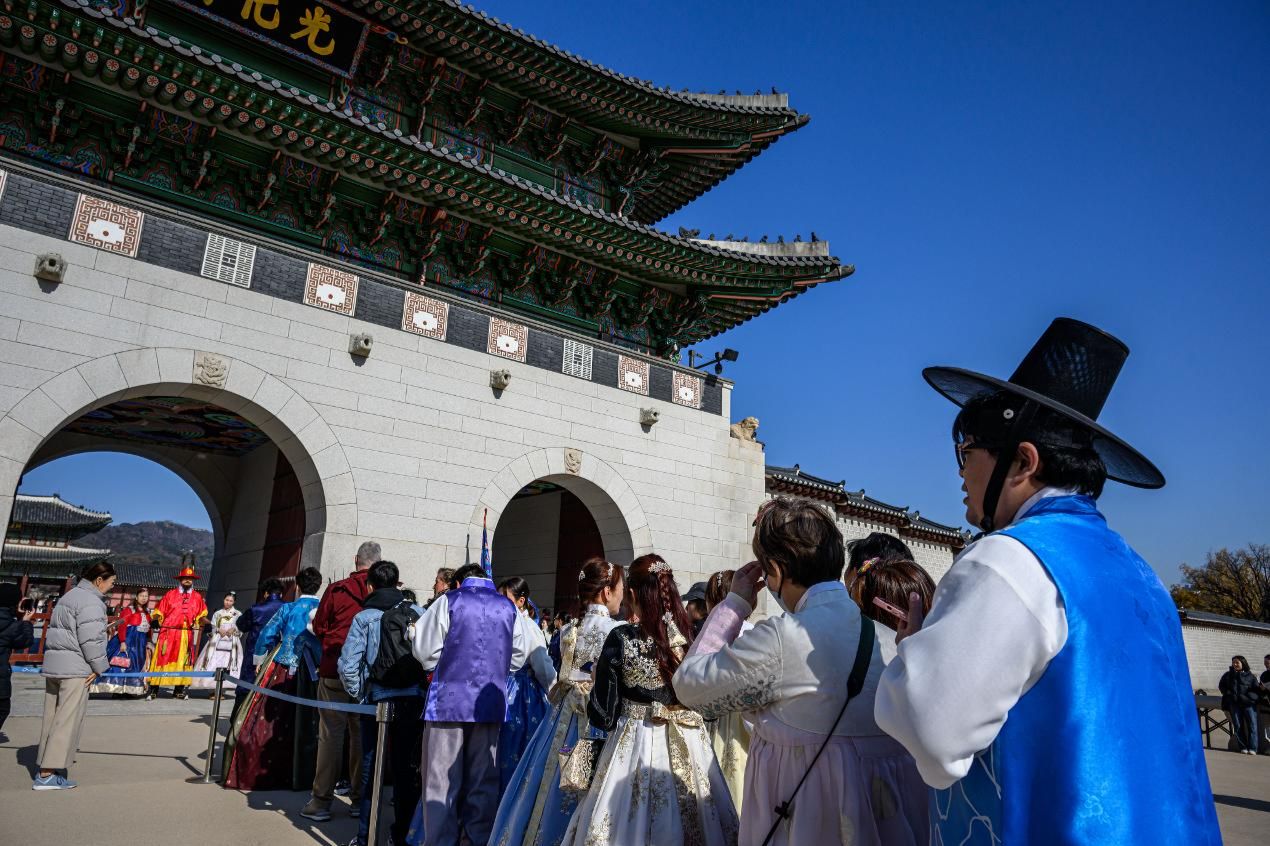
Korean travel stocks experienced a significant surge on Wednesday, driven by China’s travel advisory against Japan, which heightened expectations of increased tourism to Korea. This positive sentiment led to gains across various travel agencies and low-cost carriers, reflecting a favorable shift in travel trends and market conditions.
Key Points:
Actionable Takeaways:
Contextual Insights:
The article’s context is deeply rooted in recent geopolitical developments, specifically China’s travel advisory against Japan, which has had a notable impact on tourism trends in Korea. This advisory has likely increased the appeal of Korea as a travel destination, prompting a surge in tourism-related investments. The performance of travel agencies and low-cost carriers further illustrates the interconnected nature of the travel industry, where geopolitical factors can swiftly influence market dynamics.
In the broader context of the travel industry, this article highlights the growing significance of geopolitical stability and its direct impact on tourism. As travel advisors and policymakers continue to navigate such challenges, the adaptability and resilience of the travel sector will be crucial. Additionally, the surge in travel stocks suggests a positive outlook for the industry, with potential opportunities for innovation and growth in areas such as travel tech and fintech, particularly in response to changing consumer behaviors and market conditions.
Read the Complete Article.
Boutique Travel VC raises investment cap from $1.5M to $10M to lead rounds and support portfolio companies through growth Travel...
Read moreDetails




