




















Travel Capitalist Ventures Expands Check Size to $10 Million to Deepen Emerging Market Conviction
Boutique Travel VC raises investment cap from $1.5M to $10M to lead rounds and support portfolio companies through growth Travel...
Read moreDetails
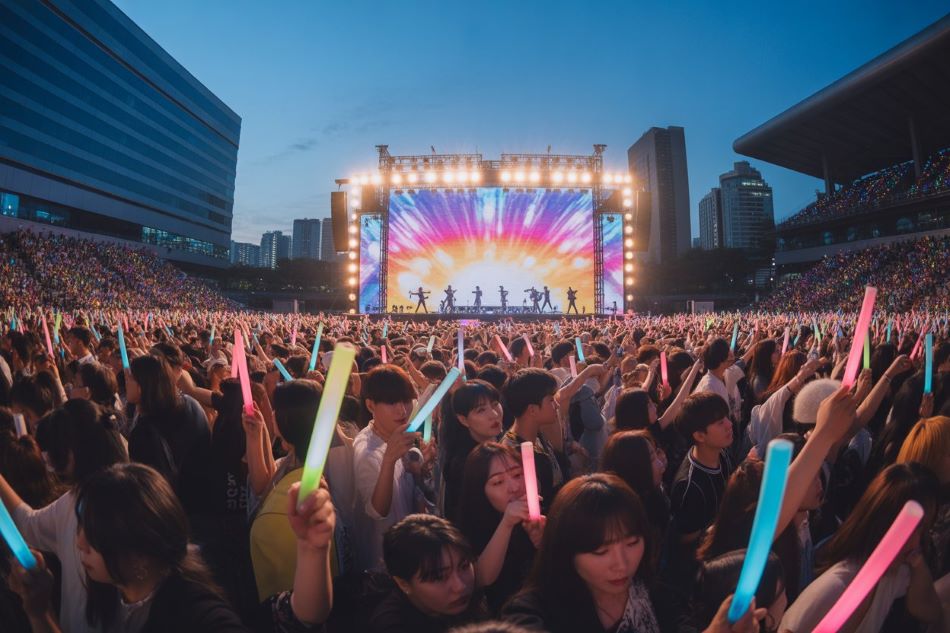
Korea Set to Smash Tourism Records, The K-Culture Phenomenon Leading A Global Travel Revolution!
Comprehensive Summarization:
South Korea has revised its target for inbound tourism, aiming to attract 30 million visitors by 2028, up from the previously set 2030 goal. This aggressive shift in timeline is driven by a surge in global interest in Korean culture, particularly fueled by the popularity of K-pop and other cultural exports. In 2025, South Korea already hosted 18.7 million international visitors, demonstrating its growing appeal as a global travel destination. The Korea Tourism Organization (KTO) aims for a steady annual growth rate of 16% to meet the new 2028 target. The article highlights the intersection of cultural phenomena and tourism growth, emphasizing the role of K-pop and other cultural exports in driving this trend.
Key Points:
Actionable Takeaways:
Leverage Cultural Phenomena for Tourism Growth: South Korea’s success in leveraging K-pop and other cultural exports to boost tourism underscores the importance of cultural branding in the travel industry. Travel companies and destinations should explore how their unique cultural offerings can be marketed to attract international visitors.
Set Ambitious but Achievable Growth Targets: The shift in South Korea’s tourism target from 2030 to 2028 demonstrates the potential benefits of setting aggressive yet realistic growth targets. Travel destinations can benefit from adopting similar forward-thinking strategies to stimulate tourism growth.
Focus on Annual Growth Rates: The KTO’s aim for a steady annual growth rate of 16% highlights the importance of consistent and incremental growth strategies in the tourism sector. Travel businesses should consider setting and tracking annual growth targets to ensure sustainable expansion.
Contextual Insights:
The article reflects the current trend of cultural phenomena driving tourism growth, a pattern observed in various global destinations. The rise of K-pop and other cultural exports in South Korea illustrates how deeply embedded cultural elements can become global attractions, leading to increased tourism. This trend aligns with broader industry insights that emphasize the importance of cultural authenticity and unique experiences in attracting and retaining international visitors. Furthermore, the aggressive timeline set by the KTO suggests a forward-looking approach to tourism development, which is increasingly common among destinations aiming to capitalize on emerging trends and capitalize on their unique selling propositions. The integration of cultural elements into tourism strategies not only enhances visitor experiences but also fosters long-term engagement and loyalty, which are crucial for sustained growth in the competitive travel industry.
Read the Complete Article.
Boutique Travel VC raises investment cap from $1.5M to $10M to lead rounds and support portfolio companies through growth Travel...
Read moreDetails



Comprehensive Summarization: Air travel costs are escalating as airlines worldwide grapple with a sharp increase in jet fuel prices, driven...
Read moreDetails
