



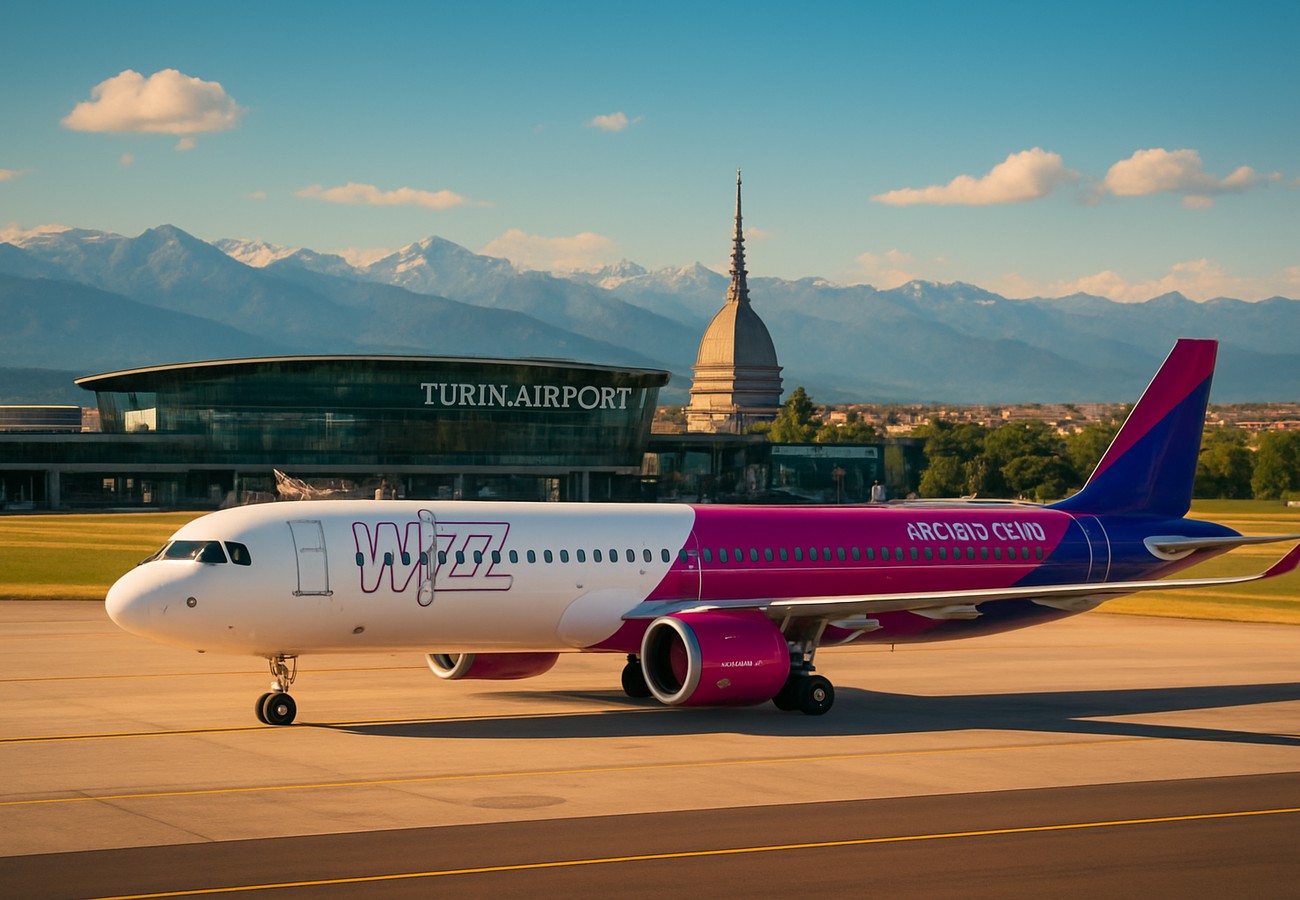


















Travel Capitalist Ventures Expands Check Size to $10 Million to Deepen Emerging Market Conviction
Boutique Travel VC raises investment cap from $1.5M to $10M to lead rounds and support portfolio companies through growth Travel...
Read moreDetails
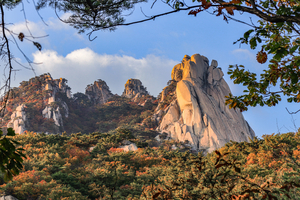
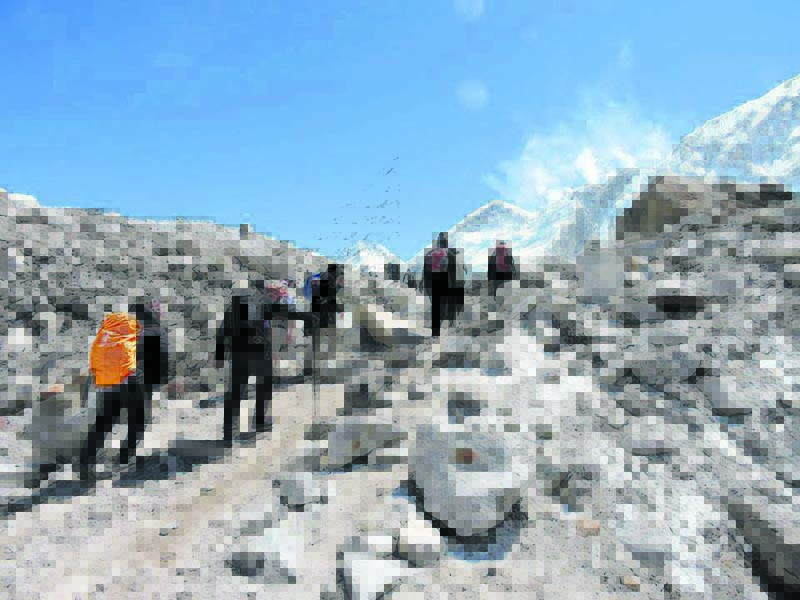
The peaks of Dobongsan in Seoul's Bukhansan National Park (Korea National Park Service)
Article Summary:
The article highlights a new wave of international hikers, particularly K-pop fans, visiting Seoul’s Bukhansan National Park. Lari, a 20-year-old French hiker, was inspired to hike Gwanaksan after watching a YouTube video of K-pop singer Boo Seung-kwan at the summit. This trend indicates a shift in the demographics of park visitors, moving away from older locals to a younger, tech-savvy audience drawn by K-pop culture and accessible trails.
Key Points:
Actionable Takeaways:
Contextual Insights:
The rise of K-pop fans as a new demographic in Korea’s hiking scene underscores the growing influence of pop culture on travel trends. This shift is part of a larger trend where travel is increasingly personalized and driven by digital content. As such, the travel industry must adapt by integrating technology and cultural elements that resonate with younger, socially connected travelers. This not only opens new market opportunities but also enhances the visitor experience, making parks like Bukhansan more appealing to a global audience. The article also highlights the importance of accessibility and cultural integration, suggesting that parks should continue to innovate in these areas to remain competitive and relevant in the evolving travel landscape.
Read the Complete Article.
Boutique Travel VC raises investment cap from $1.5M to $10M to lead rounds and support portfolio companies through growth Travel...
Read moreDetails




