



No products in the cart.
- Latest
- Trending


Comprehensive Summarization:
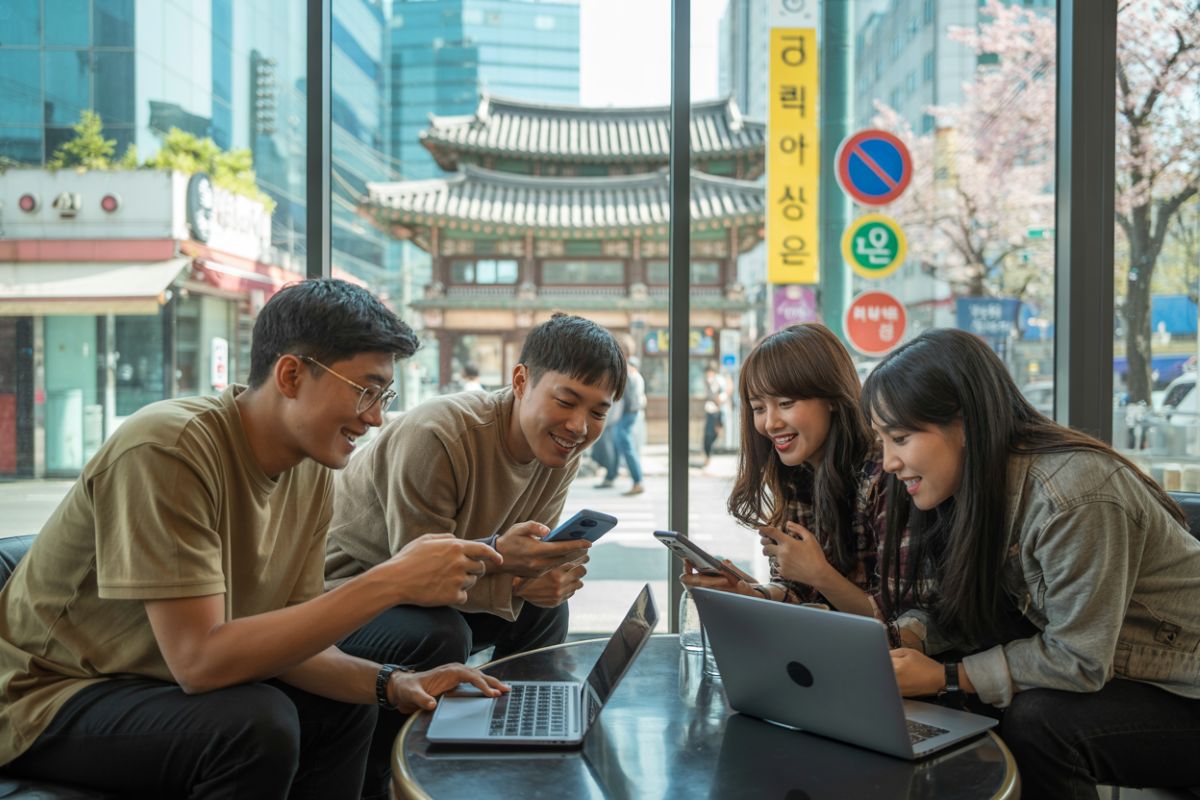
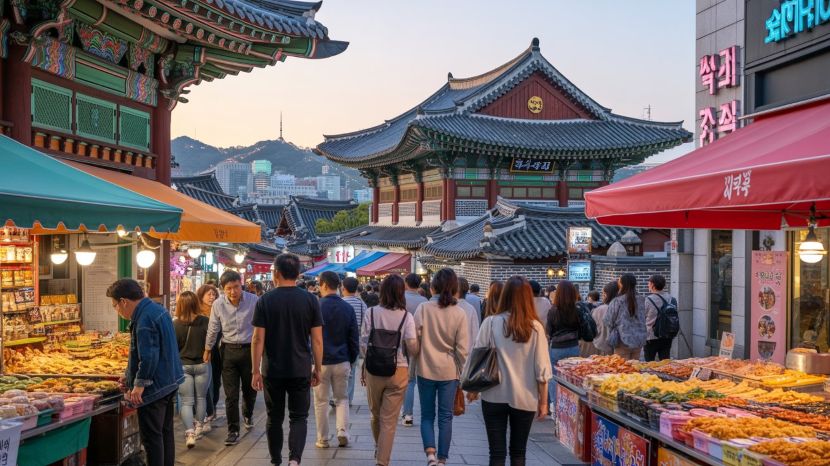
The article highlights a significant trend in the travel industry where business travelers are increasingly opting for “work-from-hotel” holidays, particularly in major Asian cities such as Manila, Bangkok, Ho Chi Minh City, Tokyo, and Seoul. This shift is driven by the growing demand for flexible work arrangements, reflecting a broader desire among travelers to combine productivity with cultural exploration and personal relaxation. According to digital travel platform Agoda, these cities are rising to the occasion by offering a mix of work-friendly amenities and cultural experiences, marking a notable transformation in how people perceive and engage with travel.
Key Points:
Actionable Takeaways:
Invest in Work-Friendly Hotel Amenities: Hotels in key Asian cities should prioritize enhancing their work-friendly amenities, such as high-speed internet, ergonomic workspaces, and business centers, to cater to the growing demand for “work-from-hotel” travelers. This investment can enhance the competitive edge of hotels in these markets and attract a broader range of business travelers.
Develop Integrated Travel Solutions: Travel platforms and service providers should develop integrated solutions that combine work and leisure offerings, such as packages that include workspaces, local cultural experiences, and flexible booking options. This approach can capitalize on the trend of travelers seeking to blend productivity with exploration, potentially driving higher engagement and revenue.
Leverage Data for Personalized Experiences: Utilize data analytics to offer personalized travel recommendations that cater to the specific needs of business travelers, such as proximity to business districts, availability of coworking spaces, and access to local attractions. Personalization can enhance customer satisfaction and loyalty, providing a competitive advantage in the travel industry.
Contextual Insights:
The rise of “work-from-hotel” travel in major Asian cities reflects broader industry trends towards flexibility and the integration of work and leisure activities. This shift is influenced by the increasing prevalence of remote work, driven by technological advancements and changing work dynamics post-pandemic. Cities like Manila, Bangkok, Ho Chi Minh City, Tokyo, and Seoul are uniquely positioned to capitalize on this trend due to their established infrastructure, cultural richness, and growing business environments. As more travelers seek to balance professional responsibilities with personal experiences, hotels and travel platforms that can offer seamless integration of work and leisure will likely see increased demand and loyalty. This trend also underscores the importance of continuous innovation in travel services, particularly in enhancing digital connectivity and providing unique cultural experiences, to meet the evolving expectations of modern travelers.
Read the Complete Article.
Get curated travel AI insights — choose the newsletters that matter to you.
This spot is reserved for brands with a compelling story for the travel trade. They use this space to cut...
Read moreDetailsALTOUR Expands into Thailand, Strengthening Corporate Travel Network Across Southeast Asia BANGKOK, THAILAND (25 March, 2026) – ALTOUR, a leading...
Read moreDetails

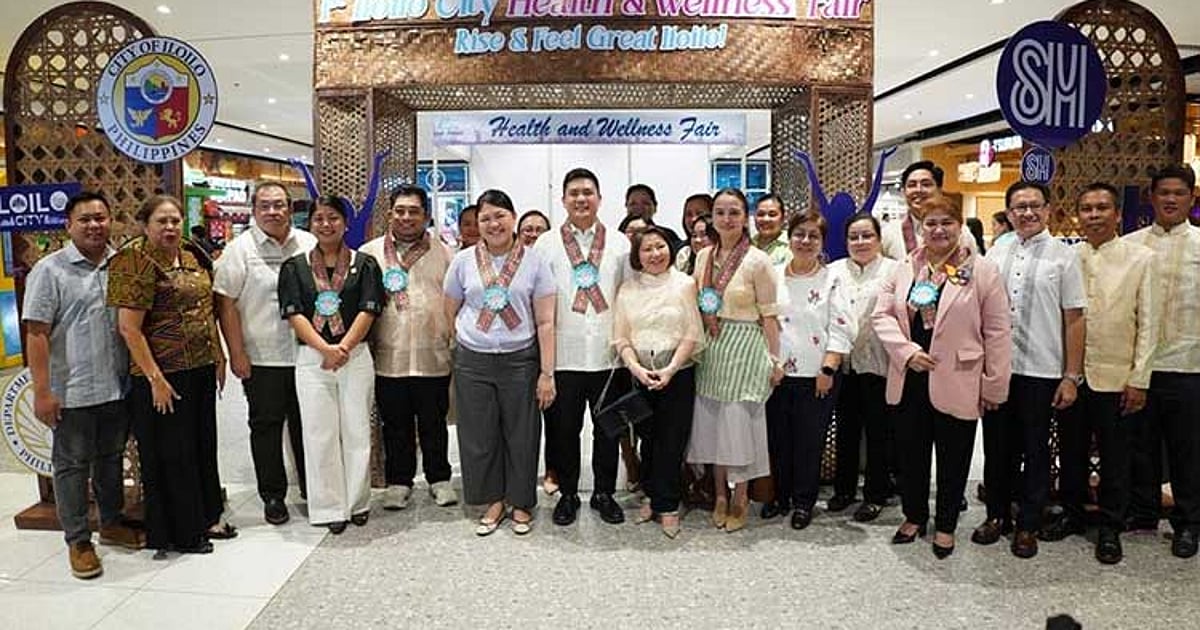
Comprehensive Summarization: The Iloilo City Health and Wellness Fair, launched on March 26, 2026, at the SM City Iloilo Activity...
Read moreDetails