














Travel Capitalist Ventures Expands Check Size to $10 Million to Deepen Emerging Market Conviction
Boutique Travel VC raises investment cap from $1.5M to $10M to lead rounds and support portfolio companies through growth Travel...
Read moreDetails
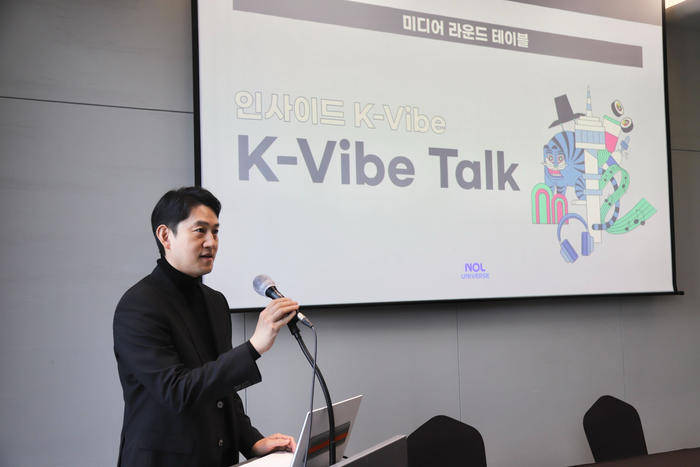
Chulwoong Lee, the newly appointed CEO of Nol Universe, delivers a presentation at the 'Inside K-Vibe Media Event' held at Dragon City in Yongsan, Seoul, on the 24th. Provided by Nol Universe
Article Summary:
Nol Universe, led by its new CEO Chulwoong Lee, has integrated its previous ‘Triple Korea’ initiative and is focusing on creating a travel platform centered on human emotions and experiences. This shift reflects a broader trend in the travel industry towards more personalized and emotionally engaging travel experiences, moving away from viewing travel purely as a product.
Key Points:
Actionable Takeaways:
Contextual Insights:
The article reflects a significant shift in the travel industry towards a more human-centric approach, moving away from the traditional product-centric model. This trend is supported by recent insights from thought leaders who advocate for personalized and emotionally engaging travel experiences. As travel technology continues to evolve, companies that prioritize these aspects are likely to gain a competitive edge. The integration of past initiatives like ‘Triple Korea’ suggests a strategic continuity that can help companies build on their strengths and adapt to changing market demands. Overall, the focus on emotional experiences and human-centric design is poised to shape the future of the travel industry, influencing both consumer expectations and business strategies.
Read the Complete Article.
Boutique Travel VC raises investment cap from $1.5M to $10M to lead rounds and support portfolio companies through growth Travel...
Read moreDetails




