






No products in the cart.
- Latest
- Trending

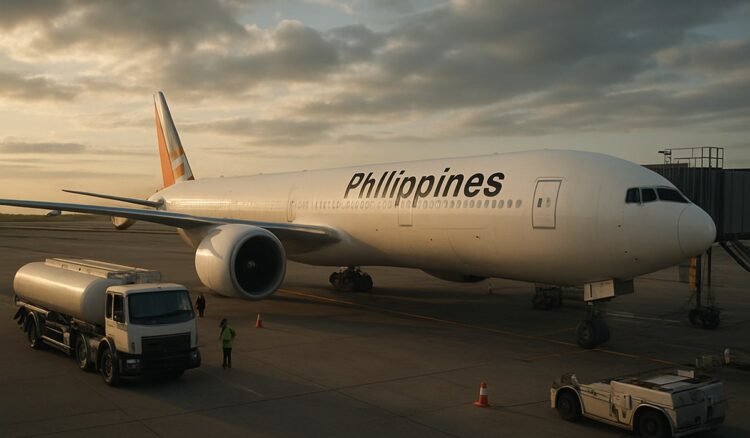
Philippine Airlines Secures Jet Fuel Supply: Asia-Pacific Travel Recovery Accelerates in 2026
Comprehensive Summarization:
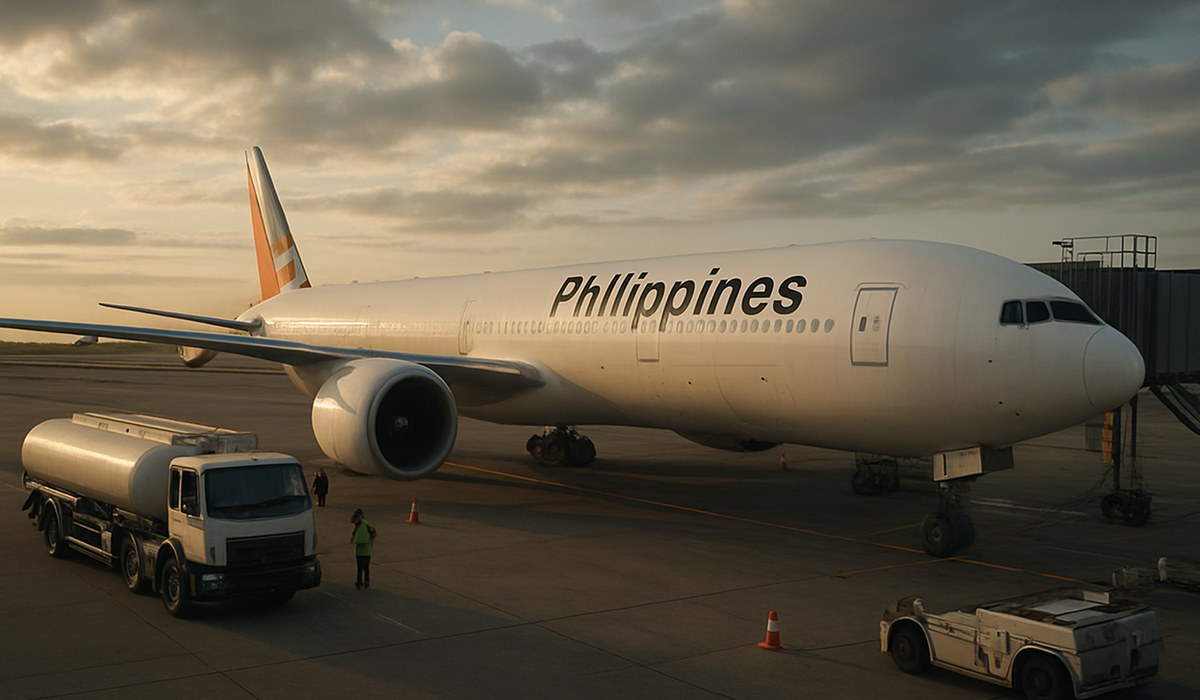
Philippine Airlines has secured guaranteed jet fuel supplies through 2026, addressing a critical operational uncertainty for the carrier. This fuel supply agreement eliminates scheduling disruptions and enhances confidence among tourism boards in key markets such as South Korea, Japan, and the United States. By stabilizing fuel costs, the agreement allows hotels, tourism operators, and travel agencies to finalize bookings with greater certainty. The carrier operates from Manila’s Ninoy Aquino International Airport, a major Southeast Asian hub, and the fuel supply guarantees directly impact passenger reliability, enabling travel partners to expand capacity planning.
Key Points:
Actionable Takeaways:
Stabilized Travel Planning: The guaranteed jet fuel supply allows travel partners to finalize bookings with greater certainty, reducing financial risks associated with fuel cost fluctuations. This stability can lead to increased bookings and expanded capacity planning for hotels, tourism operators, and travel agencies.
Enhanced Passenger Reliability: With fuel supply uncertainties addressed, passenger reliability is improved. This reliability can enhance the reputation of Philippine Airlines and Manila’s Ninoy Aquino International Airport as a dependable hub for international travel.
Market Expansion Opportunities: The stability provided by the fuel supply agreement may encourage travel partners to expand their operations in Southeast Asia and beyond, potentially leading to increased tourism and economic activity in the region.
Contextual Insights:
The article reflects the ongoing trend of airlines securing long-term fuel supply agreements to mitigate operational risks and stabilize costs. This strategy is becoming increasingly common as the travel industry seeks to navigate volatile fuel prices and maintain operational efficiency. The focus on Southeast Asia, particularly Manila’s Ninoy Aquino International Airport, highlights the region’s importance as a major travel hub. The development aligns with broader industry trends towards technological innovation and financial stability, as airlines leverage fuel supply agreements to enhance their competitive positioning and support growth in a dynamic market environment.
Read the Complete Article.
Get curated travel AI insights — choose the newsletters that matter to you.
This spot is reserved for brands with a compelling story for the travel trade. They use this space to cut...
Read moreDetailsALTOUR Expands into Thailand, Strengthening Corporate Travel Network Across Southeast Asia BANGKOK, THAILAND (25 March, 2026) – ALTOUR, a leading...
Read moreDetails


Comprehensive Summarization: Philippine Airlines has secured guaranteed jet fuel supplies through 2026, addressing a critical operational uncertainty for the carrier....
Read moreDetails