


















Travel Capitalist Ventures Expands Check Size to $10 Million to Deepen Emerging Market Conviction
Boutique Travel VC raises investment cap from $1.5M to $10M to lead rounds and support portfolio companies through growth Travel...
Read moreDetails

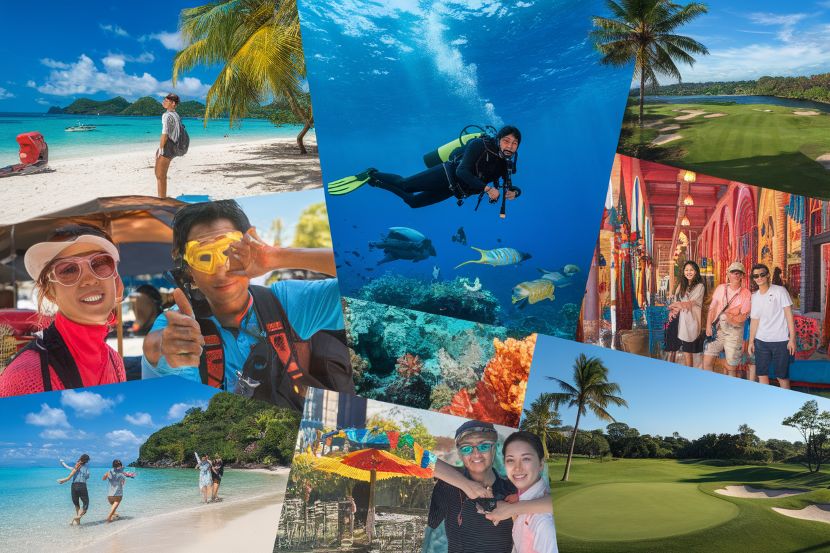
Philippines and South Korea Strengthen Tourism Ties to Boost Travel Across Manila, Cebu, Boracay, Bo...
Comprehensive Summarization:
The article highlights the Philippines’ strategic efforts to attract more South Korean tourists, who saw a significant decline of 18.5% in 2025, dropping to 1,346,301 visitors. Recognizing the potential for recovery, the country is focusing on enhancing travel experiences, offering multi-destination packages, and providing premium services in key destinations such as Manila, Cebu, Bohol, Boracay, and Clark. This strategy involves partnerships with travel agencies and leveraging immersive experiences to reclaim its position as a top destination for Korean tourists. The article also touches on broader travel trends, emphasizing the importance of innovative travel solutions and the role of technology in shaping the future of tourism.
Key Points:
Actionable Takeaways:
Enhance Travel Experiences: By focusing on immersive and multi-destination packages, the Philippines can attract more South Korean tourists. This approach leverages current travel trends towards experiential travel and can be a key differentiator in the competitive tourism market.
Leverage Travel Technology: The article underscores the importance of partnerships with travel agencies and leveraging technology in travel planning. This aligns with the broader trend of digital transformation in the travel industry, where technology enhances customer experience and operational efficiency.
Invest in Premium Services: Offering premium offerings in key destinations can attract high-spending tourists, thereby boosting revenue. This strategy is particularly relevant in the post-pandemic era, where travelers are willing to pay more for unique and high-quality experiences.
Contextual Insights:
The resurgence of South Korean tourism in the Philippines is a strategic move to recover from the post-pandemic dip. The emphasis on immersive experiences and premium services reflects a broader industry trend towards personalized and high-quality travel offerings. The integration of travel technology, such as partnerships with agencies and digital platforms, is crucial for enhancing customer engagement and operational efficiency. This context aligns with the current industry focus on innovation and customer-centric solutions, making the Philippines’ strategy both timely and relevant.
Read the Complete Article.
Boutique Travel VC raises investment cap from $1.5M to $10M to lead rounds and support portfolio companies through growth Travel...
Read moreDetails



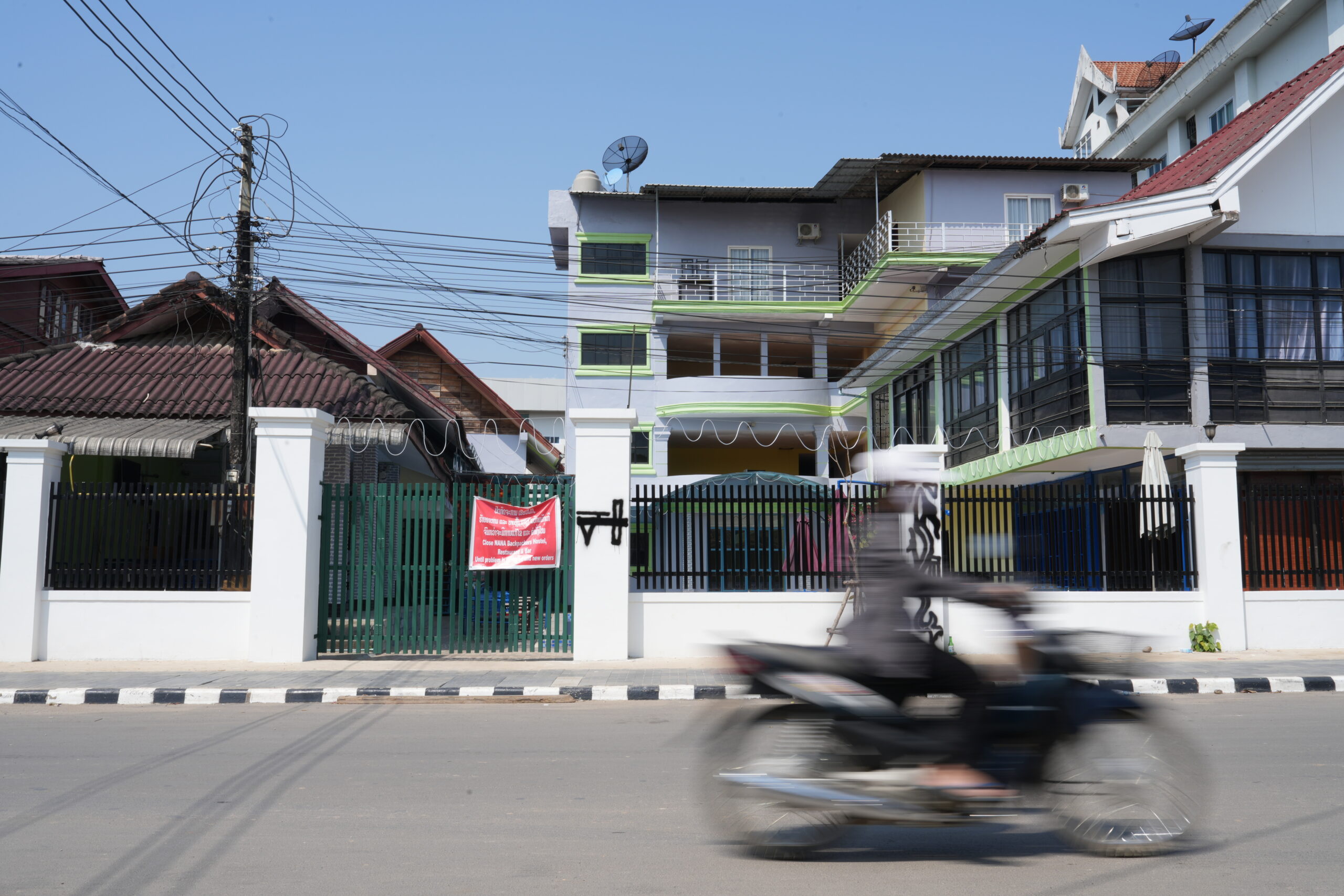
Comprehensive Summarization: The article discusses the tightening of safety rules in Laos' tourism sector following a series of incidents involving...
Read moreDetails
