













Travel Capitalist Ventures Expands Check Size to $10 Million to Deepen Emerging Market Conviction
Boutique Travel VC raises investment cap from $1.5M to $10M to lead rounds and support portfolio companies through growth Travel...
Read moreDetails

Comprehensive Summarization:
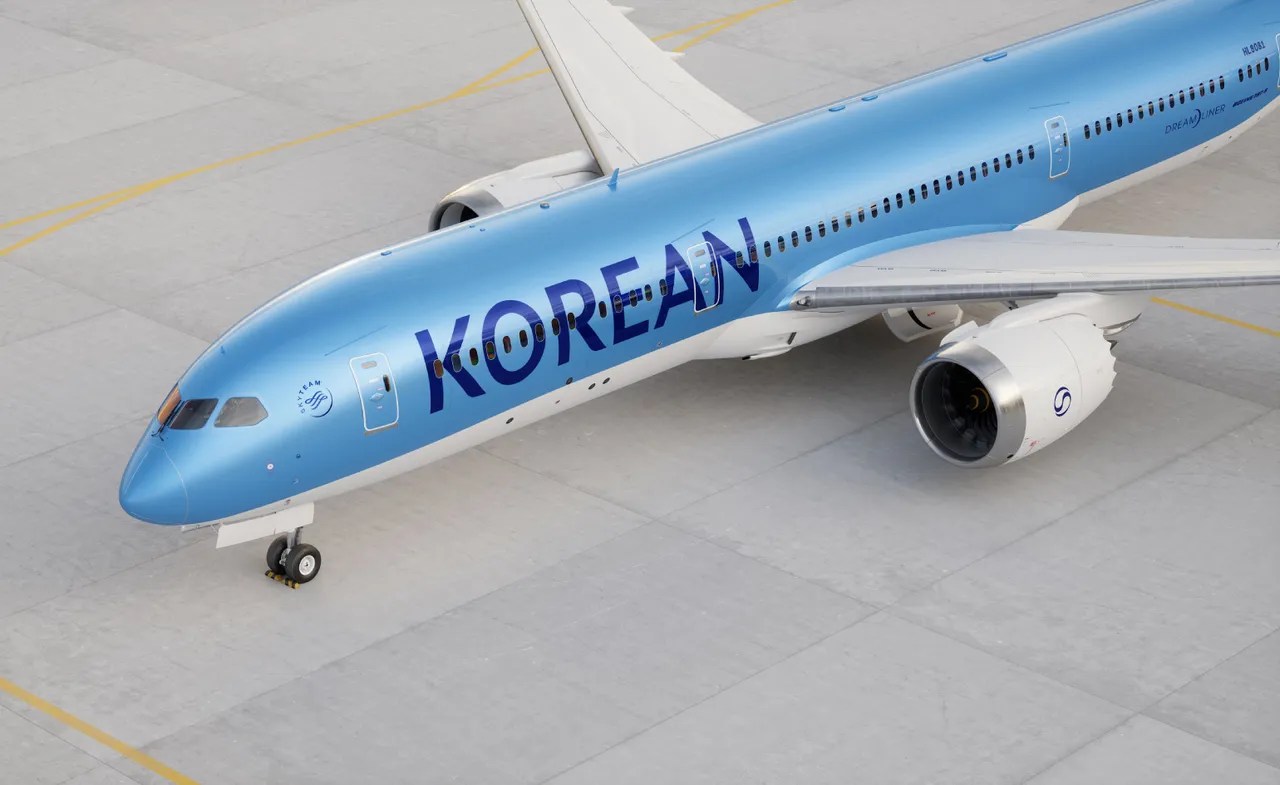
The article highlights a significant shift in travel patterns during the extended Lunar New Year holiday, driven by geopolitical tensions between Beijing and Tokyo. This shift redirected thousands of Chinese holidaymakers from Japan to South Korea, specifically to Seoul, Jeju, and Incheon. The article underscores how diplomatic disputes can quickly influence travel decisions, showcasing the interconnectedness of global politics and tourism. It serves as a reminder of the sensitivity of travel markets to geopolitical events and the potential for rapid changes in consumer behavior.
Key Points:
Actionable Takeaways:
Contextual Insights:
The article reflects the current state of the travel industry, where geopolitical events can have immediate and profound effects on travel patterns. The shift in travel destinations during the Lunar New Year holiday underscores the importance of understanding and responding to geopolitical dynamics. As travel becomes increasingly intertwined with global politics, destinations and travel companies must adopt agile strategies to navigate these challenges. The article also highlights the potential for digital innovations to mitigate the impact of such shifts, suggesting a forward-looking approach to travel planning and marketing.
Handling Different Article Types:
The article is a news blurb, providing factual information about a recent trend in travel. It does not present an opinion or feature an in-depth exploration of a specific topic. Therefore, the analysis focuses strictly on the factual content provided, ensuring that all insights and takeaways are grounded in the article’s context.
Read the Complete Article.
Boutique Travel VC raises investment cap from $1.5M to $10M to lead rounds and support portfolio companies through growth Travel...
Read moreDetails


Macau — 2026-08-14 In short: Macao University of Tourism and China Tourism Academy co-host a forum on wellness tourism in...
Read moreDetails
