
























Travel Capitalist Ventures Expands Check Size to $10 Million to Deepen Emerging Market Conviction
Boutique Travel VC raises investment cap from $1.5M to $10M to lead rounds and support portfolio companies through growth Travel...
Read moreDetails
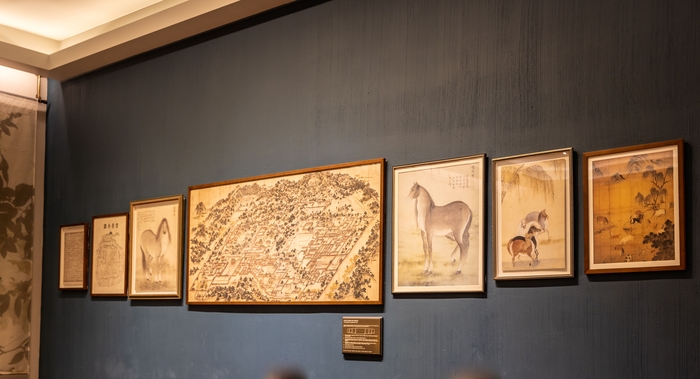
The entrance to Pimatgol, Jongno-gu / Photo = Seoul Tourism Foundation
Article Summary:
The Year of the Red Horse, or 丙午, has begun, and the Seoul Tourism Foundation has launched three travel courses in downtown Seoul to kick off the year. These courses include the New Year’s sunrise attraction at Yongmasan Mountain in Myeonmok-dong, Jungnang-gu, the traces of old Seoul in Majang-dong, Seongdong-gu, and the place deeply connected to the horse of Pimatgol in Jongno-gu. The Seoul Tourism Foundation’s initiative aims to provide travelers with a strong start to the year, highlighting various cultural and historical sites within the city.
Key Points:
Actionable Takeaways:
Cultural Tourism as a Growth Driver: The focus on cultural and historical sites in downtown Seoul suggests that cultural tourism is a significant growth driver in the travel industry. Travel companies and destinations should consider developing themed tours and experiences that highlight local history and traditions to attract visitors looking for authentic experiences.
Integration of Technology in Travel Planning: The Seoul Tourism Foundation’s initiative could be seen as an early adopter of technology in travel planning. By carefully selecting and promoting specific travel courses, the foundation demonstrates how technology can be used to streamline travel experiences, making it easier for tourists to plan and engage with culturally rich destinations.
Contextual Insights:
The launch of these travel courses aligns with the broader trend of integrating cultural heritage into modern travel experiences. As the travel industry continues to evolve, there is a growing emphasis on offering unique, meaningful experiences that go beyond traditional sightseeing. This approach not only enhances the travel experience for tourists but also supports local economies by promoting cultural preservation and heritage tourism. Furthermore, the initiative reflects the increasing importance of technology in travel planning, as seen in the careful selection and promotion of specific travel courses. This trend is likely to continue, with more travel companies leveraging technology to offer personalized and immersive travel experiences.
Read the Complete Article.
Boutique Travel VC raises investment cap from $1.5M to $10M to lead rounds and support portfolio companies through growth Travel...
Read moreDetails




