
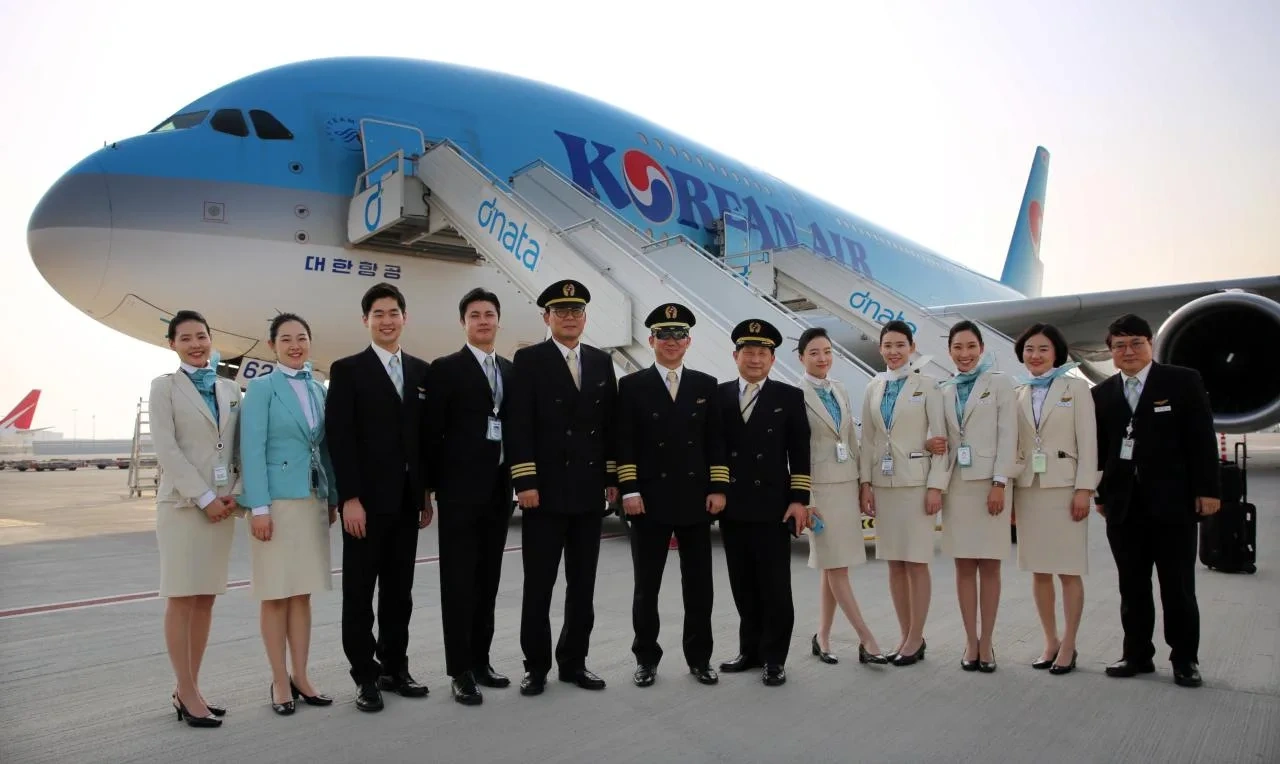

![Songjeong Beach is crowded with surfers. [Yonhap News]](https://images.traveltrade.today/wp-content/uploads/2026/04/Busan-Develops-Wellness-Tourism-Products.png)



















Travel Capitalist Ventures Expands Check Size to $10 Million to Deepen Emerging Market Conviction
Boutique Travel VC raises investment cap from $1.5M to $10M to lead rounds and support portfolio companies through growth Travel...
Read moreDetails
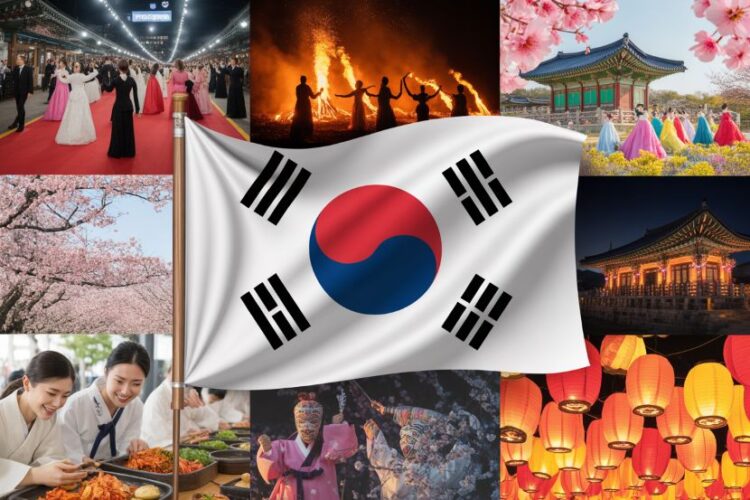
Seoul Joins Busan, Jeonju, Gwangju, and Daegu in Supercharging South Korea’s Tourism Boom in 2026, B...
Article Summary:
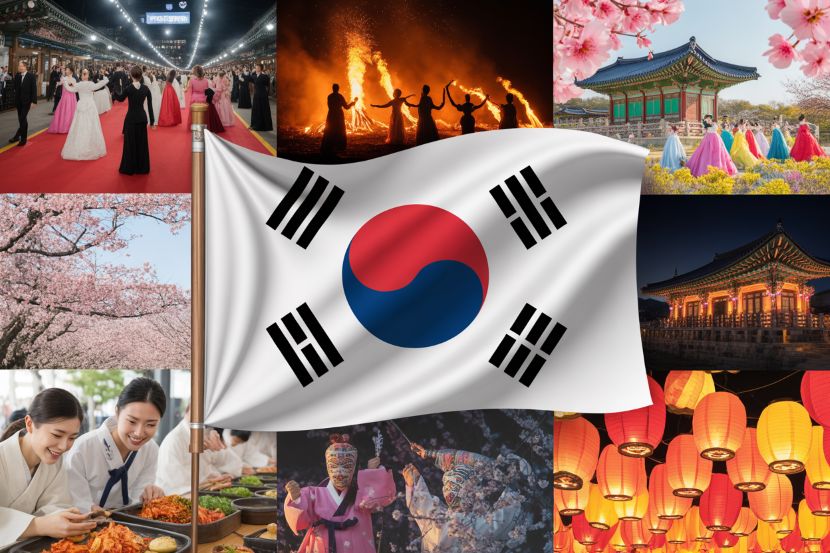
In 2026, Seoul joins Busan, Jeonju, Gwangju, and Daegu in supercharging South Korea’s tourism boom, becoming top favorites for UK travelers seeking a blend of rich culture and scenic beauty. Each city offers unique experiences, from Seoul’s modern charm and historical landmarks to Busan’s stunning beaches and Gwangju’s art scene. Jeonju and Daegu are gaining attention for their traditional food and cultural festivals. As South Korea continues to develop its tourism sector, these cities are becoming key destinations for international travelers.
Key Points:
Actionable Takeaways:
Contextual Insights:
The article reflects the ongoing trend of South Korea’s tourism sector focusing on diversifying its offerings to attract a global audience, particularly from the UK. This strategy aligns with broader industry trends towards experiential travel, where travelers prioritize unique cultural and scenic experiences over traditional sightseeing. The inclusion of cities like Busan, known for its stunning beaches, and Gwangju, recognized for its vibrant art scene, underscores the importance of offering varied attractions to appeal to different traveler preferences. Furthermore, the emphasis on traditional food and cultural festivals in Jeonju and Daegu highlights the growing significance of cultural tourism in the travel industry. As South Korea continues to innovate in travel tech and digital marketing, these cities are well-positioned to capitalize on the increasing demand for immersive and culturally rich travel experiences.
Read the Complete Article.
Boutique Travel VC raises investment cap from $1.5M to $10M to lead rounds and support portfolio companies through growth Travel...
Read moreDetails



Comprehensive Summarization: South Korea has joined a growing list of countries, including India, Thailand, Singapore, Malaysia, Vietnam, and the Philippines,...
Read moreDetails
