


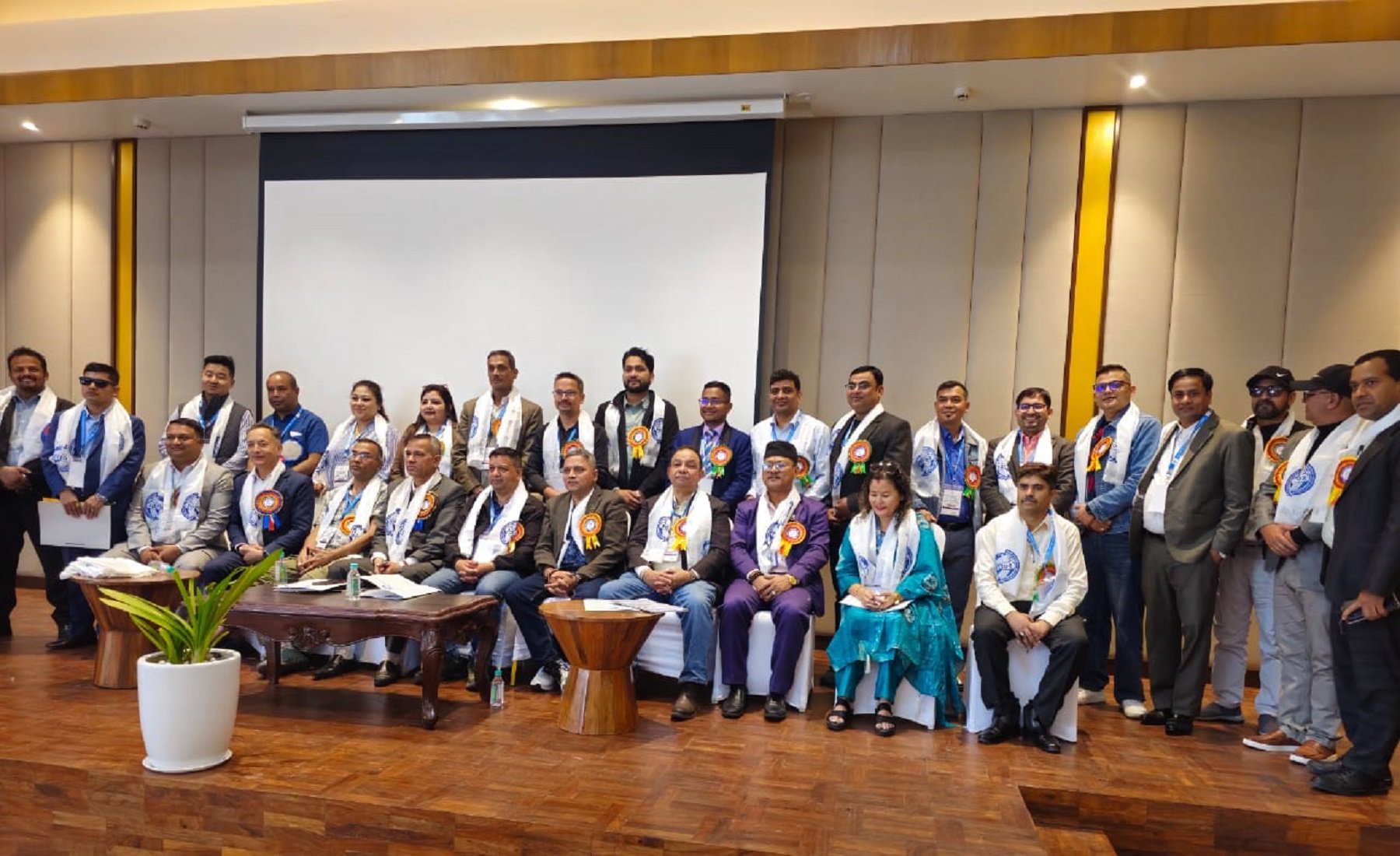



















Travel Capitalist Ventures Expands Check Size to $10 Million to Deepen Emerging Market Conviction
Boutique Travel VC raises investment cap from $1.5M to $10M to lead rounds and support portfolio companies through growth Travel...
Read moreDetails
In-Depth
Article Summary:
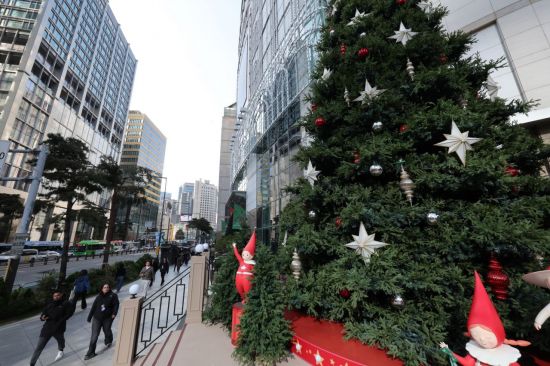
The Seoul Metropolitan Government has decided to relax the floor area ratio (FAR) by up to 1.3 times in order to expand the supply of tourist accommodation facilities. This decision was announced on December 14, as part of the city’s efforts to boost tourism competitiveness. The amendment to the “Urban Management Plan Decision” will be implemented in 9 districts permanently and in 54 districts for a three-year temporary measure.
Key Points:
Actionable Takeaways:
Contextual Insights:
The decision by the Seoul Metropolitan Government to relax the FAR for tourist accommodation facilities is a strategic move aimed at enhancing the city’s tourism competitiveness. This move aligns with the broader trend of urban areas worldwide seeking to boost their tourism sectors through infrastructure development and policy incentives. The focus on commercial areas suggests a targeted approach to leverage existing commercial infrastructure for tourism purposes, a strategy increasingly adopted by cities globally to maximize the utility of their existing assets.
In the context of current travel trends, the emphasis on expanding accommodation facilities reflects a growing demand for diverse and accessible lodging options in popular tourist destinations. This aligns with insights from travel industry thought leaders who advocate for flexible and adaptable urban planning to meet the evolving needs of travelers. Furthermore, the three-year temporary measure indicates a balanced approach, allowing for adjustments and assessments over time, a common practice in forward-looking policy implementations.
The article also underscores the importance of real estate and tourism sectors in urban economies. As cities like Seoul continue to attract international visitors, the ability to adapt and expand accommodation facilities becomes crucial. This aligns with insights from fintech experts who highlight the role of technology in facilitating seamless travel experiences, including accommodation bookings and payments. The policy change could potentially spur innovation in travel tech, particularly in areas related to accommodation management and payment solutions, further enhancing the travel experience for visitors to Seoul.
Read the Complete Article.
Boutique Travel VC raises investment cap from $1.5M to $10M to lead rounds and support portfolio companies through growth Travel...
Read moreDetails




