

















Travel Capitalist Ventures Expands Check Size to $10 Million to Deepen Emerging Market Conviction
Boutique Travel VC raises investment cap from $1.5M to $10M to lead rounds and support portfolio companies through growth Travel...
Read moreDetails
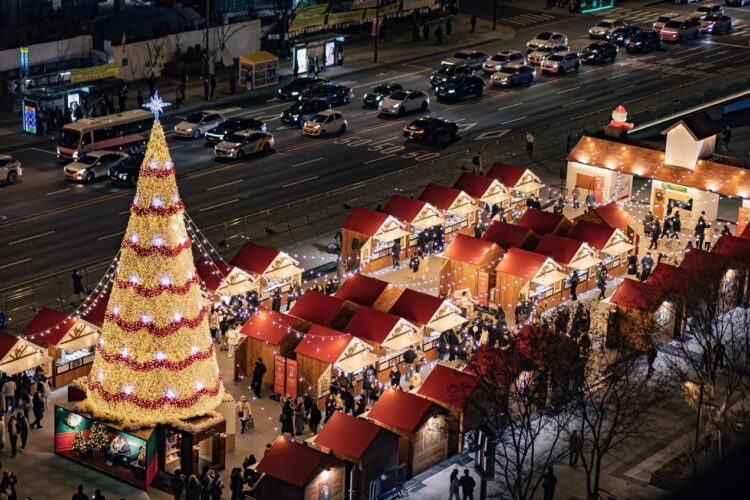
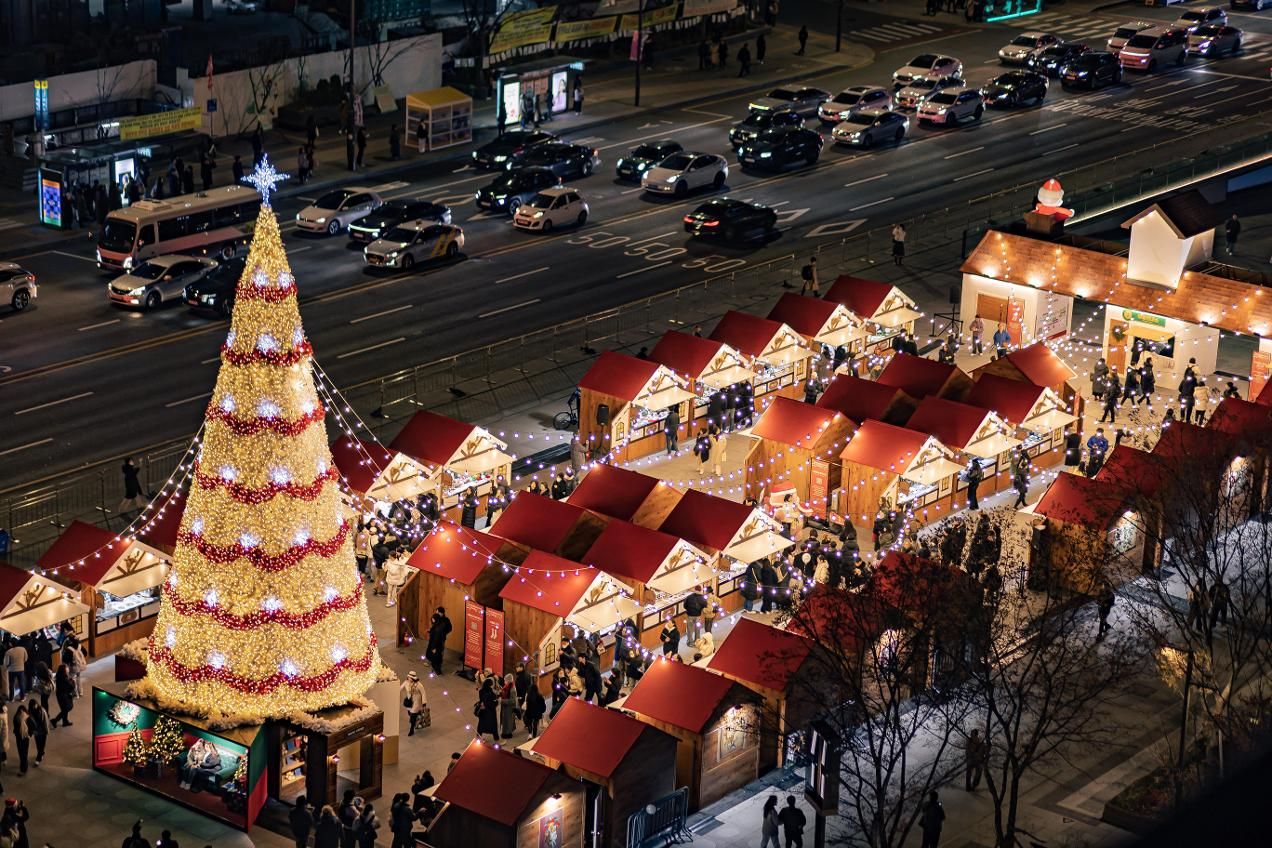
Seoul lights up for Christmas with Gwanghwamun Market, lantern festival
Article Summary:
The article highlights the festive transformation of Gwanghwamun Square in Seoul into a European-style Christmas village, featuring a 15-meter Christmas tree, LED lanterns, Santa Claus, and media art. This initiative, set to run from December 15 to December 31, aims to attract visitors to Gwanghwamun Square and Cheonggye Stream, two of Seoul’s most iconic public spaces. The transformation is part of the city’s broader strategy to boost tourism during the holiday season, leveraging Christmas and year-end festivals to enhance the appeal of these symbolic locations.
Key Points:
Christmas Village Transformation: Gwanghwamun Square will be converted into a 2025 Gwanghwamun Market, featuring a large Christmas tree, LED lanterns, Santa Claus, and media art installations, creating a festive atmosphere for visitors.
Duration and Location: The transformation will take place from December 15 to December 31, 2024, with the square serving as the focal point of the festive activities, complemented by the nearby Cheonggye Stream.
Tourism Boost Objective: The initiative is designed to attract more visitors to these symbolic public spaces, leveraging the holiday season to enhance tourism and economic activity in the area.
Market and Market Appeal: The market aspect of the transformation is intended to provide a unique shopping experience, further enhancing the appeal of Gwanghwamun Square during the festive season.
Actionable Takeaways:
Enhanced Festive Marketing Strategy: Travel agencies and tourism boards should consider adopting similar festive transformation strategies for key public spaces in their regions. This approach can significantly boost visitor numbers and enhance the overall appeal of these locations during the holiday season. By creating immersive, themed experiences, destinations can differentiate themselves and attract more tourists, thereby increasing revenue and economic impact.
Leverage Seasonal Events for Increased Engagement: The article underscores the importance of leveraging seasonal events, such as Christmas, to drive tourism. Travel companies and startups in the travel tech sector should explore innovative ways to integrate seasonal themes into their offerings, such as themed packages, virtual experiences, or interactive digital content. This can enhance customer engagement and provide unique value propositions that stand out in a competitive market.
Utilize LED and Media Art for Attraction: The use of LED lanterns and media art in transforming public spaces highlights the potential of digital and visual technologies in enhancing tourist experiences. Travel startups focusing on digital content and experiential marketing should invest in such technologies to create memorable and shareable experiences for travelers. This not only attracts more visitors but also encourages social media sharing, amplifying the reach and impact of the marketing efforts.
Contextual Insights:
The Christmas transformation of Gwanghwamun Square aligns with broader industry trends towards experiential tourism and the use of technology to enhance visitor experiences. Recent data indicates a growing preference among travelers for immersive and unique experiences, especially during the holiday season. This trend is supported by thought leaders in the travel industry who emphasize the importance of creating memorable experiences that go beyond traditional sightseeing.
The initiative reflects a strategic move by Seoul to capitalize on the festive season to boost tourism, a common strategy observed in many major cities worldwide. By transforming iconic public spaces into themed attractions, cities can leverage the holiday spirit to draw in more visitors, thereby stimulating local economies. The use of LED lanterns and media art not only creates a visually appealing environment but also showcases the potential of digital technologies in enhancing tourism marketing efforts.
Moreover, the article aligns with the increasing emphasis on sustainability and experiential marketing in the travel industry. By creating a festive atmosphere, the initiative not only attracts visitors but also fosters a sense of community and shared experience, which is increasingly valued by modern travelers. This approach resonates with the growing trend of travelers seeking authentic and memorable experiences that go beyond conventional tourism offerings.
In conclusion, the Christmas transformation of Gwanghwamun Square serves as a compelling example of how strategic marketing and technological innovation can be harnessed to enhance tourism and attract visitors. For the travel industry, this case study underscores the importance of creating immersive, themed experiences that leverage seasonal events and digital technologies to drive engagement and economic impact.
Read the Complete Article.
Boutique Travel VC raises investment cap from $1.5M to $10M to lead rounds and support portfolio companies through growth Travel...
Read moreDetails




