


















Travel Capitalist Ventures Expands Check Size to $10 Million to Deepen Emerging Market Conviction
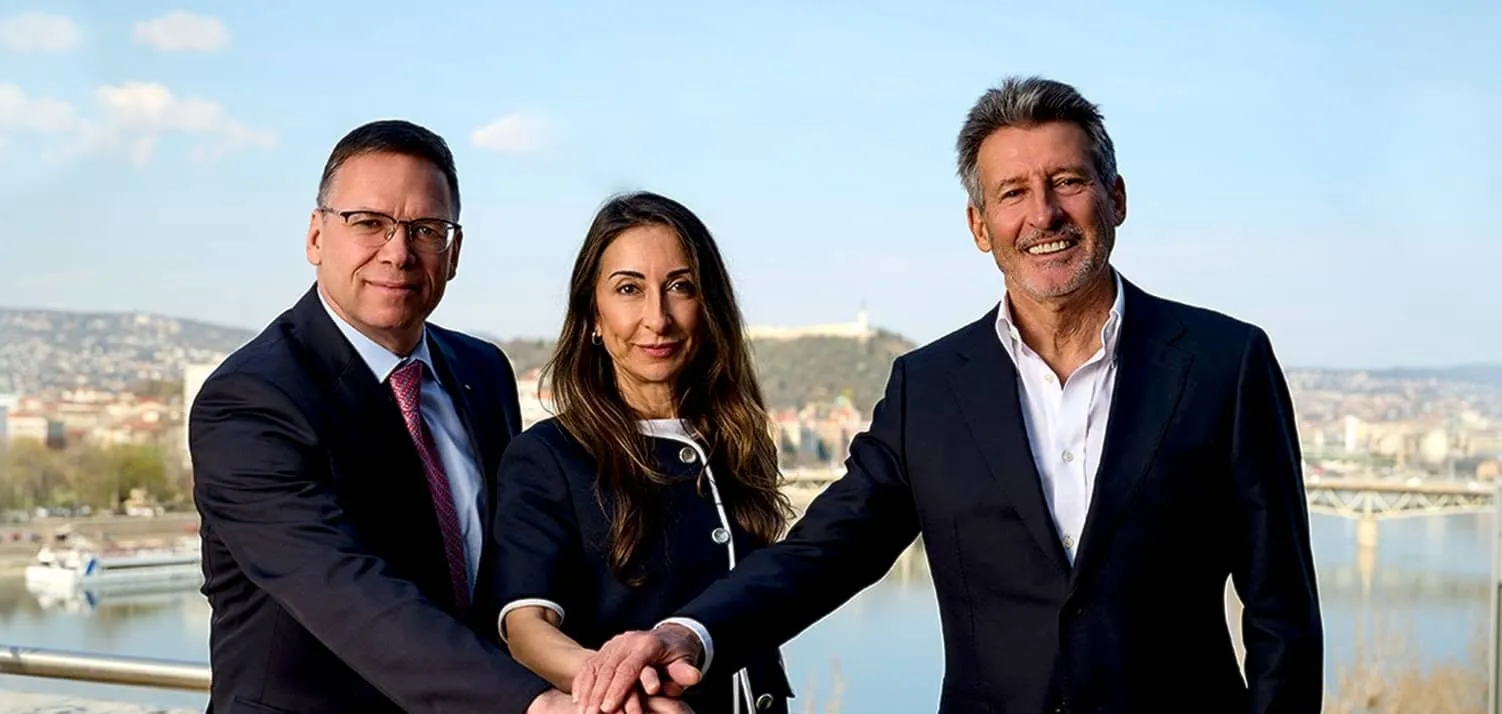
Boutique Travel VC raises investment cap from $1.5M to $10M to lead rounds and support portfolio companies through growth Travel...
Read moreDetails
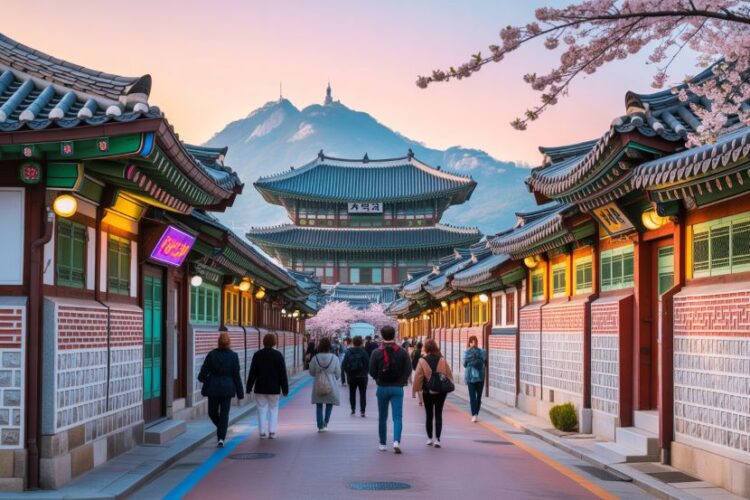
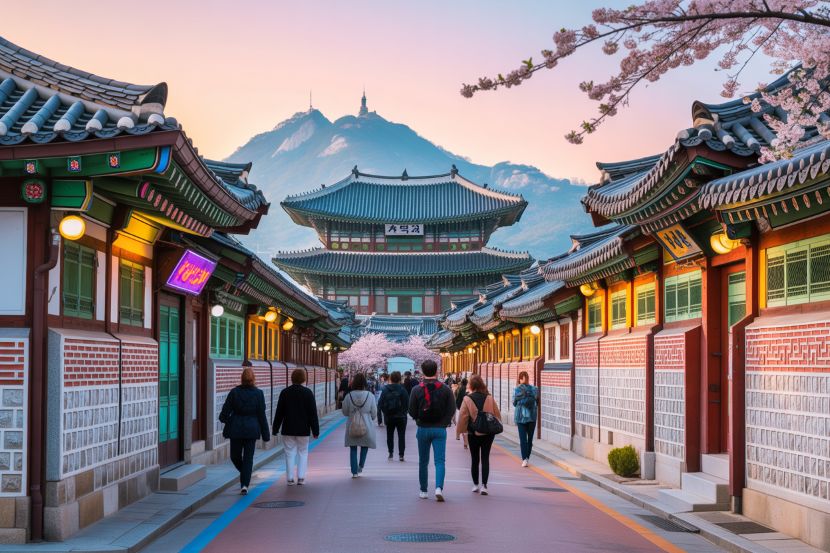
Seoul Joins Paris, Madrid, and Tokyo in the World’s Top 10 Most Visited Cities: What Makes South Kor...
Article Summary:
Seoul, South Korea’s capital, has ascended to the 10th position in the world’s most visited cities, up from its previous 12th place. This rise is attributed to Seoul’s strategic improvements in tourism infrastructure and its focus on attracting high-value visitors. The ranking, as reported by Euromonitor International and CNN, highlights Seoul’s growing appeal on the global tourism stage.
Key Points:
Actionable Takeaways:
Contextual Insights:
The rise of Seoul in the global tourism rankings underscores a broader trend in the travel industry towards strategic urban planning and infrastructure development to enhance tourist experiences. This aligns with the increasing focus on high-value visitors, who contribute significantly to a city’s economy. The article reflects the ongoing evolution of the travel industry, where cities are competing on the global stage through innovative tourism strategies. As cities like Seoul continue to improve their offerings, they set a benchmark for others in the industry, highlighting the importance of continuous investment in tourism infrastructure and visitor experience. This trend is likely to influence future travel planning and development strategies, encouraging a focus on sustainability, visitor satisfaction, and economic impact.
Read the Complete Article.
Boutique Travel VC raises investment cap from $1.5M to $10M to lead rounds and support portfolio companies through growth Travel...
Read moreDetails




