





















Travel Capitalist Ventures Expands Check Size to $10 Million to Deepen Emerging Market Conviction
Boutique Travel VC raises investment cap from $1.5M to $10M to lead rounds and support portfolio companies through growth Travel...
Read moreDetails

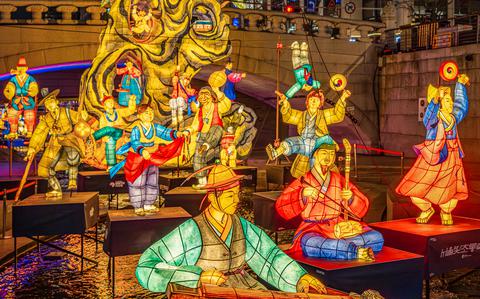
Seoul Lantern Festival aims to connect South Korean tradition with modernity
Article Summary:
The Seoul Lantern Festival, marking its 17th anniversary, has returned with over 400 illuminated works in Seoul. The festival blends traditional lantern craftsmanship with large-scale media art, transforming the Cheonggyecheon and Uicheon streams into a vivid display of light and art. This event highlights the city’s winter season, offering a unique cultural experience that merges tradition with modern artistic expression.
Key Points:
Actionable Takeaways:
Cultural Tourism Growth: The Seoul Lantern Festival demonstrates the growing trend of cultural tourism in cities worldwide. Cities can leverage such events to attract visitors, boost local economies, and promote cultural heritage. This could inspire other cities to organize similar festivals that blend traditional elements with modern artistic expressions.
Integration of Technology in Traditional Events: The festival’s use of large-scale media art alongside traditional lanterns showcases the integration of technology in traditional events. This trend is likely to continue, with more events incorporating digital elements to enhance visitor experiences. Travel companies and event organizers should consider how technology can be integrated into their offerings to create unique, memorable experiences for travelers.
Contextual Insights:
The Seoul Lantern Festival’s success underscores the importance of cultural events in enhancing a city’s appeal, particularly during winter months. As cities compete for tourists, offering unique, culturally rich experiences becomes crucial. The festival’s blend of tradition and modern art reflects a broader industry trend where technology is increasingly used to enhance traditional experiences. This aligns with the growing demand for immersive, tech-integrated travel experiences, suggesting that travel companies should explore innovative ways to incorporate technology into their offerings to stay competitive and meet evolving traveler expectations.
Read the Complete Article.
Boutique Travel VC raises investment cap from $1.5M to $10M to lead rounds and support portfolio companies through growth Travel...
Read moreDetails




