


















Travel Capitalist Ventures Expands Check Size to $10 Million to Deepen Emerging Market Conviction
Boutique Travel VC raises investment cap from $1.5M to $10M to lead rounds and support portfolio companies through growth Travel...
Read moreDetails
A panoramic view of Gwanghwamun Market from the sky.
Article Summary:
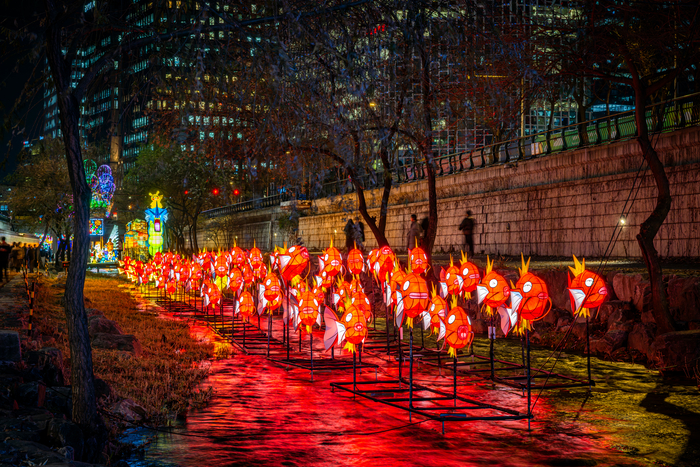
The article announces that the 17th annual Seoul Lantern Festival will take place in Gwanghwamun Plaza, Cheonggyecheon Stream, and Uicheon Stream from December 4th to January 4th. This event is expected to attract 1 million visitors, making it the largest in Asia in terms of visitor numbers. The festival, which marks its 17th anniversary, is highlighted by the Seoul Tourism Foundation as a significant cultural event in Seoul, Korea.
Key Points:
Actionable Takeaways:
Contextual Insights:
The Seoul Lantern Festival’s large visitor turnout aligns with current travel industry trends, which emphasize experiential tourism and cultural events. The festival’s focus on light installations and lanterns reflects a growing trend in travel towards immersive and visually engaging experiences. This context suggests that the festival not only serves as a cultural highlight for Seoul but also as a model for how travel events can leverage technology and innovation to attract global audiences. Furthermore, the festival’s timing in early December positions it well to capitalize on post-holiday travel trends, where many travelers seek unique experiences before the year ends. This strategic alignment with travel trends underscores the festival’s potential to set benchmarks for future cultural events in the travel industry.
Read the Complete Article.
Boutique Travel VC raises investment cap from $1.5M to $10M to lead rounds and support portfolio companies through growth Travel...
Read moreDetails




