





















Travel Capitalist Ventures Expands Check Size to $10 Million to Deepen Emerging Market Conviction
Boutique Travel VC raises investment cap from $1.5M to $10M to lead rounds and support portfolio companies through growth Travel...
Read moreDetails
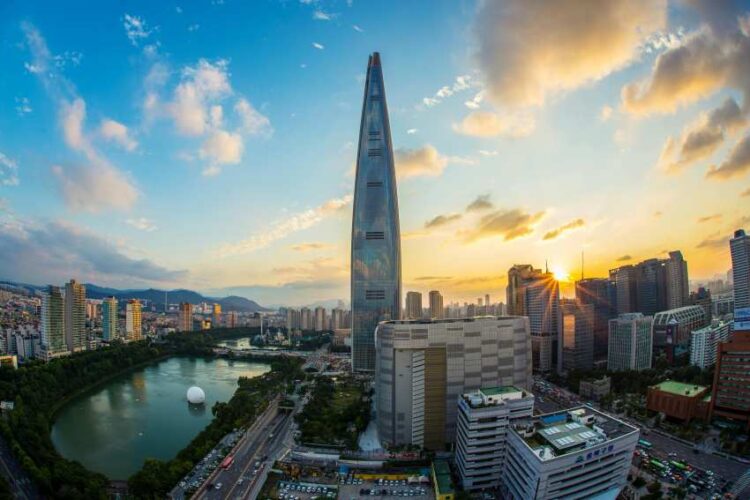
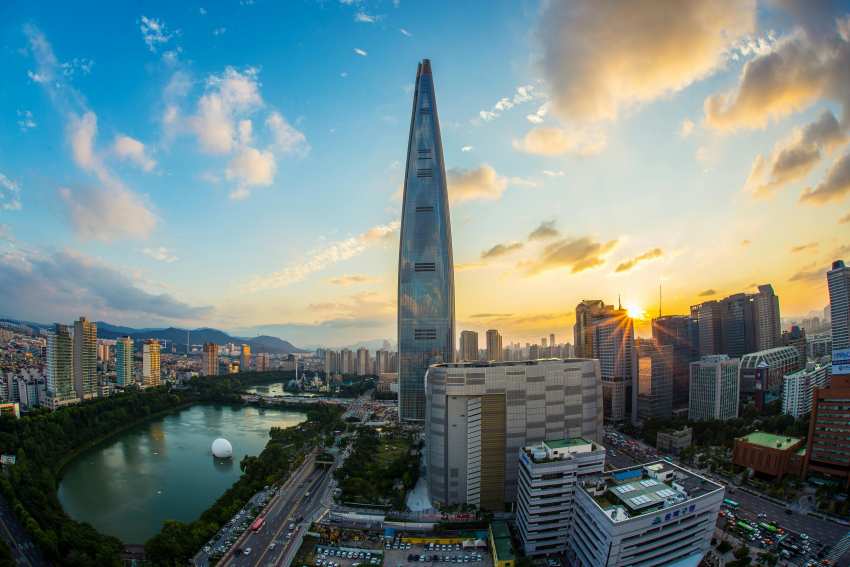
Beyond the K-Pop Wave: How Seoul is Reimagining Global Tourism for 2026 and Beyond
Comprehensive Summarization:
The article discusses Seoul’s strategic shift in its tourism approach as it prepares for 2026. Moving beyond the transient stopover image associated with its K-Pop wave popularity, Seoul is reimagining global tourism with a focus on qualitative restructuring. This transformation aims to present the city not just as a vibrant but also as a permanent, year-round destination. The emphasis is on enhancing the city’s appeal and sustainability, moving away from merely increasing tourist numbers to creating a more enriching and memorable experience for visitors.
Key Points:
Actionable Takeaways:
Enhance Visitor Experience: Focus on creating a more enriching and memorable experience for tourists. This involves improving infrastructure, cultural offerings, and sustainability practices to ensure visitors have a lasting impression of Seoul.
Sustainable Tourism Practices: Implement sustainable tourism practices to ensure the city remains a desirable destination for future years. This includes eco-friendly initiatives, waste reduction, and promoting local culture and heritage in a way that benefits the local community.
Leverage Technology for Tourism: Utilize advanced travel tech and innovations to enhance the visitor experience. This could include augmented reality tours, smart navigation systems, and personalized travel itineraries that cater to individual interests and preferences.
Contextual Insights:
The article reflects a broader trend in the travel industry towards rebranding and repositioning cities as permanent destinations rather than just transient stops. This shift is driven by the need for cities to offer unique, enriching experiences that stand out in a crowded global tourism market. The focus on qualitative restructuring aligns with current industry trends that emphasize quality over quantity in tourism. Furthermore, the integration of technology and sustainability into tourism strategies is a key insight, reflecting the industry’s move towards more innovative and responsible practices. These insights are crucial for travel startups and fintech companies looking to capitalize on the evolving tourism landscape by offering innovative solutions that enhance the visitor experience and promote sustainable tourism practices.
Read the Complete Article.
Boutique Travel VC raises investment cap from $1.5M to $10M to lead rounds and support portfolio companies through growth Travel...
Read moreDetails



Macau — 2026-08-14 In short: Macao University of Tourism and China Tourism Academy co-host a forum on wellness tourism in...
Read moreDetails
