




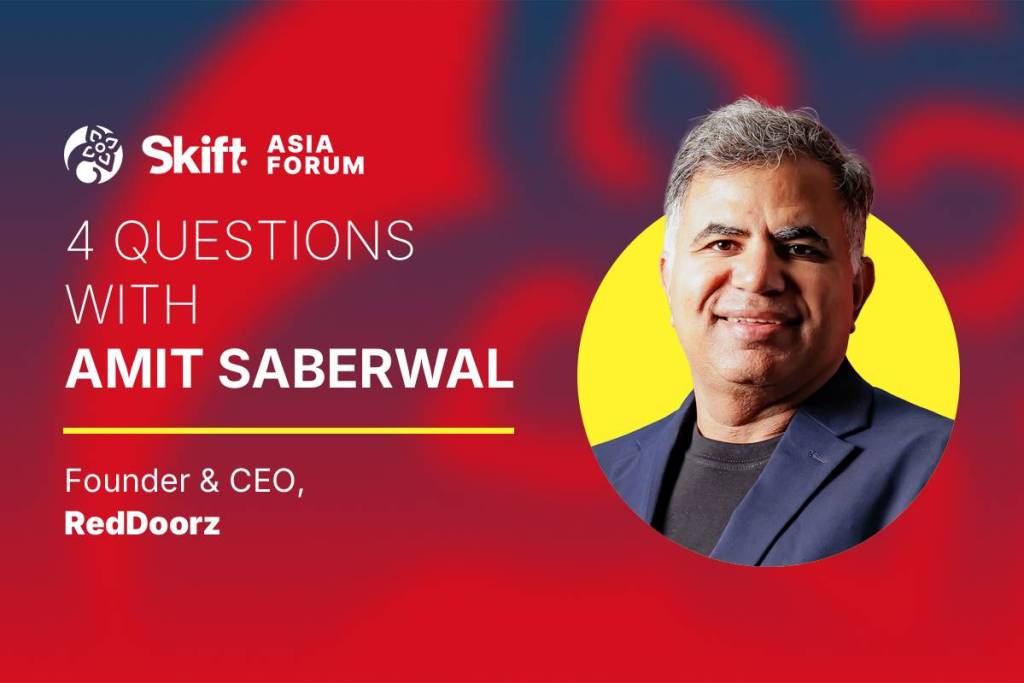









Travel Capitalist Ventures Expands Check Size to $10 Million to Deepen Emerging Market Conviction
Boutique Travel VC raises investment cap from $1.5M to $10M to lead rounds and support portfolio companies through growth Travel...
Read moreDetails
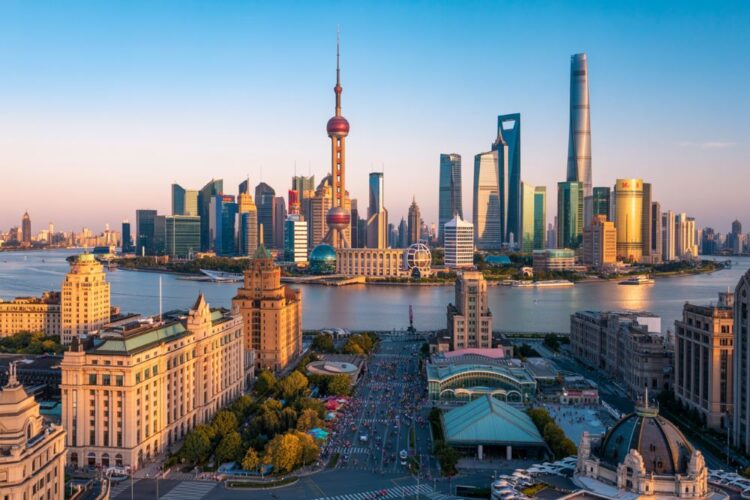
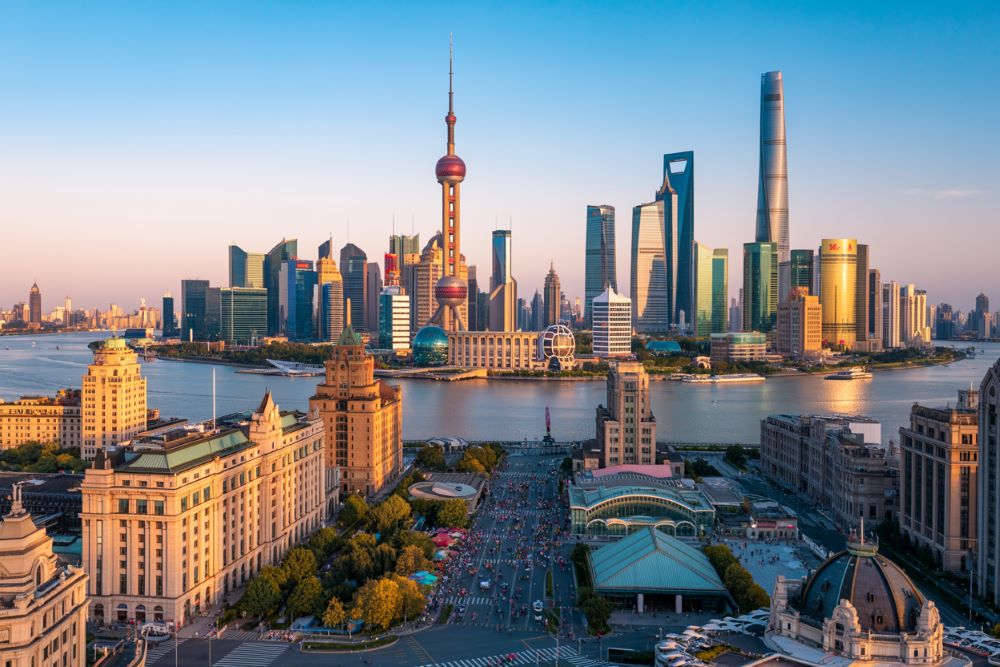
Shanghai Tourism Boom: Millions of Visitors in 2025 as China Races Against Tokyo and Seoul for Top S...
Comprehensive Summarization:
In February 2026, Shanghai’s tourism sector experienced a significant rebound, attracting 9.36 million inbound visitors, marking a 39.58% increase compared to the previous year. This surge underscores Shanghai’s recovery as a major international travel hub, particularly in the competitive race with Tokyo and Seoul for dominance in Asia’s urban tourism sector. The city’s appeal is influenced by factors such as visa policies, demand for luxury accommodations, and evolving geopolitical dynamics. The article highlights the city’s strategic position amidst these competitive forces, emphasizing the role of travel policies and luxury offerings in shaping visitor choices.
Key Points:
Actionable Takeaways:
Investment in Luxury Accommodations: With a surge in visitor numbers and a focus on luxury offerings, cities like Shanghai can capitalize on high-end tourism by investing in premium accommodations. This strategy aligns with current trends in luxury travel and can enhance the city’s appeal to affluent international visitors.
Streamlined Visa Policies: The article emphasizes the importance of visa policies in attracting international tourists. Cities should streamline visa processes to reduce barriers for travelers, making destinations more accessible and appealing. This move can significantly boost visitor numbers and enhance the city’s reputation as a hassle-free travel destination.
Leverage Geopolitical Dynamics: Understanding and adapting to geopolitical shifts is crucial for tourism sectors. Cities should monitor geopolitical trends and adjust their marketing strategies accordingly to maintain a competitive edge. By aligning with favorable geopolitical conditions, cities can attract more visitors and sustain growth in the tourism sector.
Contextual Insights:
The article reflects the current competitive landscape in Asia’s urban tourism sector, where cities like Shanghai, Tokyo, and Seoul are vying for global travelers. This context highlights the importance of strategic positioning and differentiation in attracting international visitors. The surge in visitor numbers, driven by factors such as luxury accommodations and favorable travel policies, underscores the role of targeted marketing and infrastructure development in enhancing tourism appeal. Furthermore, the article’s focus on Shanghai’s recovery aligns with broader industry trends of post-pandemic recovery and the resurgence of global travel. As travel tech and fintech continue to evolve, cities must also innovate in these areas to offer seamless travel experiences and secure a competitive edge in the global market.
Read the Complete Article.
Boutique Travel VC raises investment cap from $1.5M to $10M to lead rounds and support portfolio companies through growth Travel...
Read moreDetails



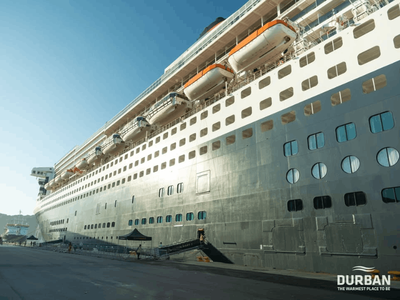
Comprehensive Summarization: The article reports on the brief but spectacular visit of the Queen Mary 2 cruise ship to Durban...
Read moreDetails
