




















Travel Capitalist Ventures Expands Check Size to $10 Million to Deepen Emerging Market Conviction
Boutique Travel VC raises investment cap from $1.5M to $10M to lead rounds and support portfolio companies through growth Travel...
Read moreDetails
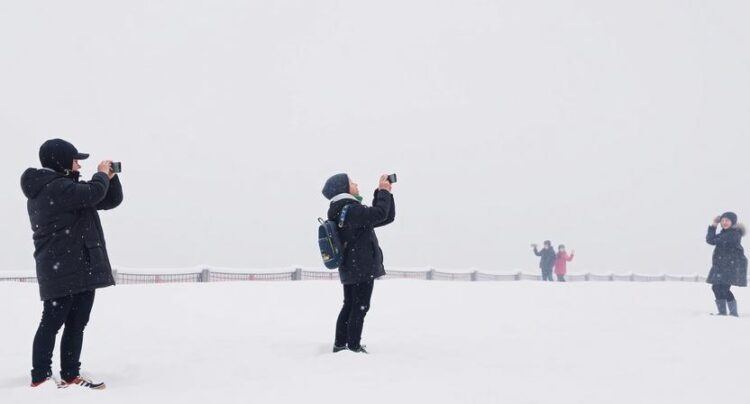
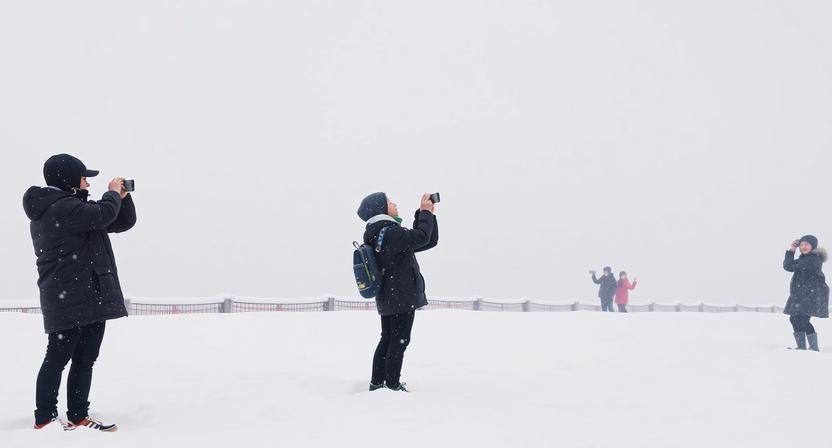
Tourists Capture Moments in Snow at Gochang Eupseong, South Korea as Snowfall Enhancing Winter Touri...
Comprehensive Summarization:
The article reports on a significant event where tourists flocked to Gochang Eupseong, a county in North Jeolla Province, South Korea, on January 22, 2026, to capture moments in the snow. The area received 5.4 cm of snow overnight, creating picturesque winter scenes that attracted visitors eager to experience South Korea’s winter beauty. According to the Korea Meteorological Administration, cold weather and snowfall are expected to continue until January 23, further enhancing the region’s appeal for winter tourism. The article highlights the growing trend of winter tourism in South Korea, driven by favorable weather conditions and the natural beauty of the region.
Key Points:
Actionable Takeaways:
Winter Tourism Growth: The snowfall in Gochang Eupseong highlights the increasing popularity of winter tourism in South Korea. Travel agencies and local businesses should capitalize on this trend by offering specialized winter tourism packages, including guided snow activities, accommodation, and cultural experiences. This can lead to increased revenue and market share in the travel sector.
Leverage Weather Forecasts: Travel companies can use weather forecasts to plan and market winter tourism activities more effectively. By aligning promotional campaigns with predicted snowfall and cold weather, they can attract more tourists and optimize booking periods. This data-driven approach can enhance customer satisfaction and operational efficiency.
Contextual Understanding:
The article reflects the current trend of winter tourism in South Korea, which has been gaining momentum due to favorable weather conditions and the natural beauty of the region. As climate patterns continue to shift, regions with reliable winter weather are becoming more attractive to tourists seeking unique experiences. The Korea Meteorological Administration’s forecasts play a crucial role in shaping tourism strategies, emphasizing the importance of real-time data in the travel industry. Additionally, the article aligns with broader travel trends focusing on experiential travel, where tourists seek memorable and unique experiences, such as capturing moments in snow-covered landscapes.
Handling Different Article Types:
The article is a news blurb, providing factual information about a specific event in the travel industry. The structured output format ensures clarity and ease of integration into professional materials, such as reports or presentations. The content is strictly sourced from the article, adhering to the facts and context provided without introducing external information or speculative analysis.
Read the Complete Article.
Boutique Travel VC raises investment cap from $1.5M to $10M to lead rounds and support portfolio companies through growth Travel...
Read moreDetails



Amsterdam, Netherlands — August 14, 2026 In short: Dutch airline KLM launches new eco-friendly flight program for Gen Z travelers....
Read moreDetails
