





















Travel Capitalist Ventures Expands Check Size to $10 Million to Deepen Emerging Market Conviction
Boutique Travel VC raises investment cap from $1.5M to $10M to lead rounds and support portfolio companies through growth Travel...
Read moreDetails
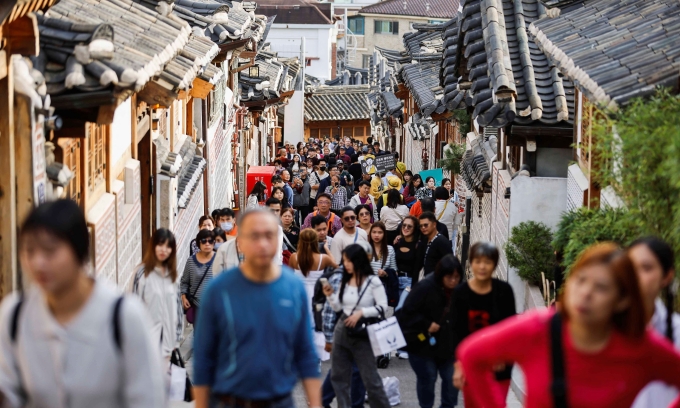
South Korea targets 30 million visitors with visa-free entry to catch up with Japan
Comprehensive Summarization:
South Korean President Lee Jae Myung chaired an expanded National Tourism Strategy Meeting on February 25, marking the first time a sitting president has led such a session since 2019. The meeting set a target of 30 million foreign visitors by 2030, emphasizing the need for sustainable growth beyond the current concentration of tourists in Seoul. President Lee highlighted the importance of sharing tourism benefits with local alleyway commercial districts and small business owners across the country to ensure a balanced and sustainable tourism-led growth. The urgency for this strategy is underscored by the fact that South Korea welcomed 18.9 million visitors in the preceding period, indicating a competitive landscape that requires innovative solutions to broaden the tourism industry’s reach and impact.
Key Points:
Actionable Takeaways:
Diversify Tourism Hotspots: To ensure sustainable growth in the tourism industry, South Korea should focus on diversifying tourist destinations beyond Seoul. This strategy will help distribute the economic benefits of tourism more evenly across the country, reducing the pressure on Seoul and promoting balanced regional development.
Enhance Local Commercial District Engagement: Encouraging local alleyway commercial districts and small business owners to participate in and benefit from tourism growth is crucial. This can be achieved through targeted support programs, marketing initiatives, and infrastructure improvements that make these areas more attractive to tourists, thereby fostering a more inclusive tourism economy.
Leverage Tourism Data for Strategic Planning: Utilizing data from tourism statistics, such as the 18.9 million visitors in the preceding period, can inform strategic planning and policy-making. By understanding visitor patterns and preferences, policymakers and industry stakeholders can make informed decisions to attract more visitors and enhance their overall experience, ensuring the long-term viability of the tourism sector.
Contextual Insights:
The article reflects a strategic pivot in South Korea’s tourism policy, driven by the need for sustainable growth in the face of competitive pressures. The emphasis on sharing benefits across the country aligns with broader industry trends towards inclusive economic development. The focus on leveraging data for strategic planning underscores the growing importance of data-driven decision-making in the travel industry. As travel tech continues to evolve, innovations in data analytics and digital platforms will play a pivotal role in shaping future tourism strategies, enabling more targeted and effective outreach to both tourists and local businesses. This context highlights the interconnectedness of policy, technology, and market dynamics in driving the future of the travel industry.
Read the Complete Article.
Boutique Travel VC raises investment cap from $1.5M to $10M to lead rounds and support portfolio companies through growth Travel...
Read moreDetails



Comprehensive Summarization: The article discusses the significant role of Africa's informal economy, which accounts for approximately 85% of the continent's...
Read moreDetails
