























Travel Capitalist Ventures Expands Check Size to $10 Million to Deepen Emerging Market Conviction
Boutique Travel VC raises investment cap from $1.5M to $10M to lead rounds and support portfolio companies through growth Travel...
Read moreDetails
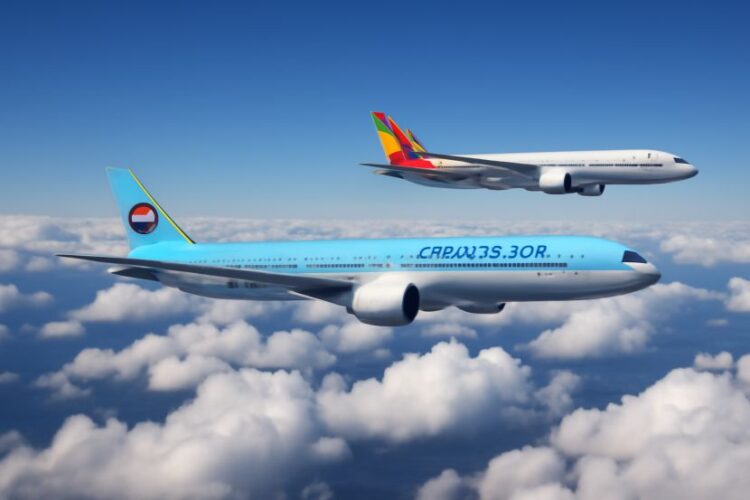
South Korea Airlines Revolutionize In‑Flight Connectivity with Starlink Wi‑Fi, Enhancing Tourism Exp...
Article Summary:
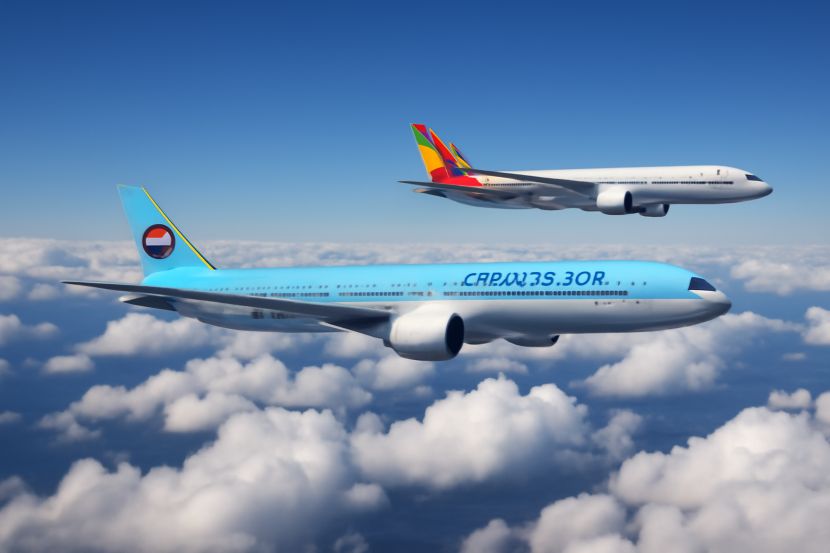
South Korea Airlines, including Korean Air and Asiana Airlines, are set to revolutionize in-flight connectivity by introducing Starlink Wi-Fi across their fleet by the end of 2027. This move aims to enhance the tourism experience for travelers, making traveling to South Korea more connected and seamless. The introduction of high-speed, reliable internet on flights is expected to significantly boost South Korea’s appeal as a global tourism destination, aligning with the increasing reliance on connectivity for a satisfying travel experience.
Key Points:
Actionable Takeaways:
Contextual Insights:
The introduction of Starlink Wi-Fi by South Korea Airlines reflects a broader industry trend towards enhancing travel experiences through technological advancements. As connectivity becomes a fundamental aspect of modern travel, airlines are increasingly investing in high-speed internet solutions to meet the demands of tech-savvy travelers. This move is particularly relevant in the context of South Korea’s strategic position as a leading tourism destination, where the allure of seamless connectivity can significantly enhance the appeal of the country to international visitors.
Moreover, the integration of Starlink Wi-Fi aligns with the growing emphasis on digital connectivity in the travel sector. As more travelers rely on their devices for navigation, communication, and entertainment during flights, airlines that prioritize robust connectivity solutions are likely to gain a competitive edge. This trend is supported by recent insights from industry thought leaders, who highlight the importance of connectivity in shaping the future of travel. By embracing such innovations, airlines can not only improve passenger satisfaction but also position themselves as leaders in delivering modern, tech-driven travel experiences.
In summary, the introduction of Starlink Wi-Fi by South Korea Airlines represents a significant step forward in enhancing in-flight connectivity, with far-reaching implications for tourism, industry trends, and the overall travel experience. By focusing on actionable insights and contextual understanding, airlines can leverage this technological advancement to drive growth and maintain a competitive edge in the dynamic travel industry.
Read the Complete Article.
Boutique Travel VC raises investment cap from $1.5M to $10M to lead rounds and support portfolio companies through growth Travel...
Read moreDetails




