




















Travel Capitalist Ventures Expands Check Size to $10 Million to Deepen Emerging Market Conviction
Boutique Travel VC raises investment cap from $1.5M to $10M to lead rounds and support portfolio companies through growth Travel...
Read moreDetails

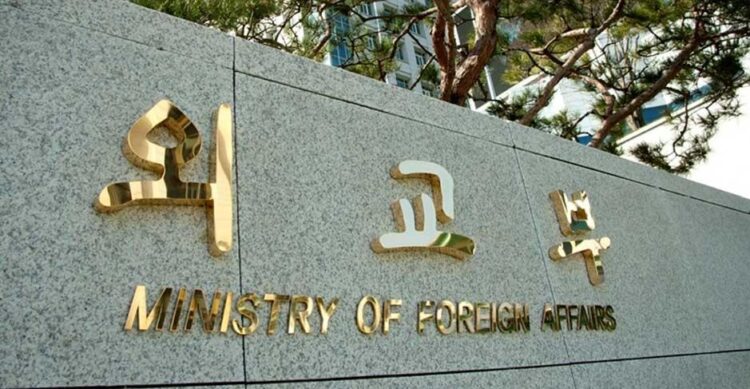
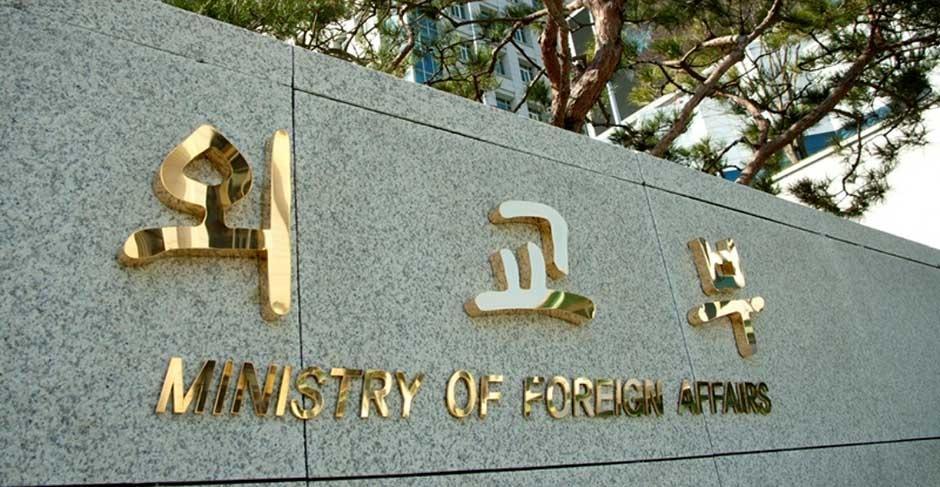
S. Korea imposes travel ban on parts of Venezuela
Article Summary:
The Ministry of Foreign Affairs of South Korea has imposed a travel ban on parts of Venezuela, specifically the border states of Zulia, Tachira, Apure, and Sucre, excluding their respective capitals and the eastern part of Zulia. This ban, classified as Level 4 on a four-tier travel warning system, will take effect at 11 p.m. The rest of Venezuela will remain under Level 3, advising citizens to leave the area. Those who visit or stay in areas under the travel ban without special permission may face consequences.
Key Points:
Actionable Takeaways:
Contextual Insights:
The travel ban reflects the heightened political tensions between Venezuela and the United States, a situation that could have broader implications for international travel and diplomatic relations. In the context of the travel industry, such restrictions highlight the importance of real-time monitoring of geopolitical developments. Thought leaders in the travel sector emphasize the need for flexibility and adaptability in travel planning, suggesting that startups and established companies alike should invest in tools and technologies that facilitate quick adjustments to travel advisories. This trend underscores the growing significance of travel tech in navigating the complexities of global travel, particularly in regions affected by political instability.
Read the Complete Article.
Boutique Travel VC raises investment cap from $1.5M to $10M to lead rounds and support portfolio companies through growth Travel...
Read moreDetails




