






















Travel Capitalist Ventures Expands Check Size to $10 Million to Deepen Emerging Market Conviction
Boutique Travel VC raises investment cap from $1.5M to $10M to lead rounds and support portfolio companies through growth Travel...
Read moreDetails
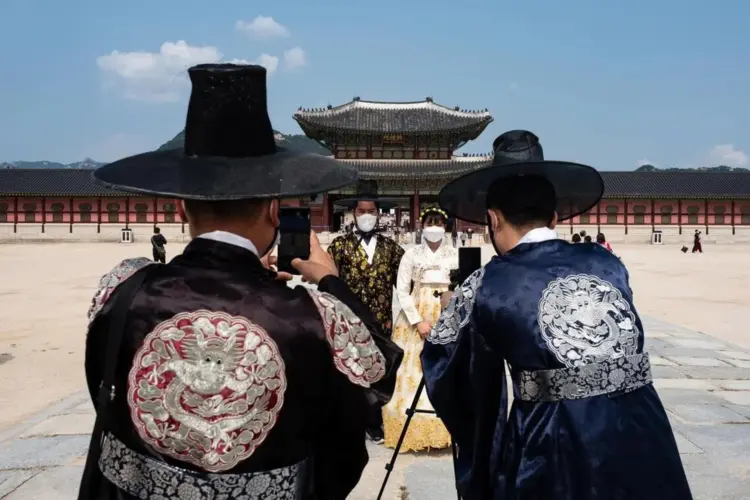
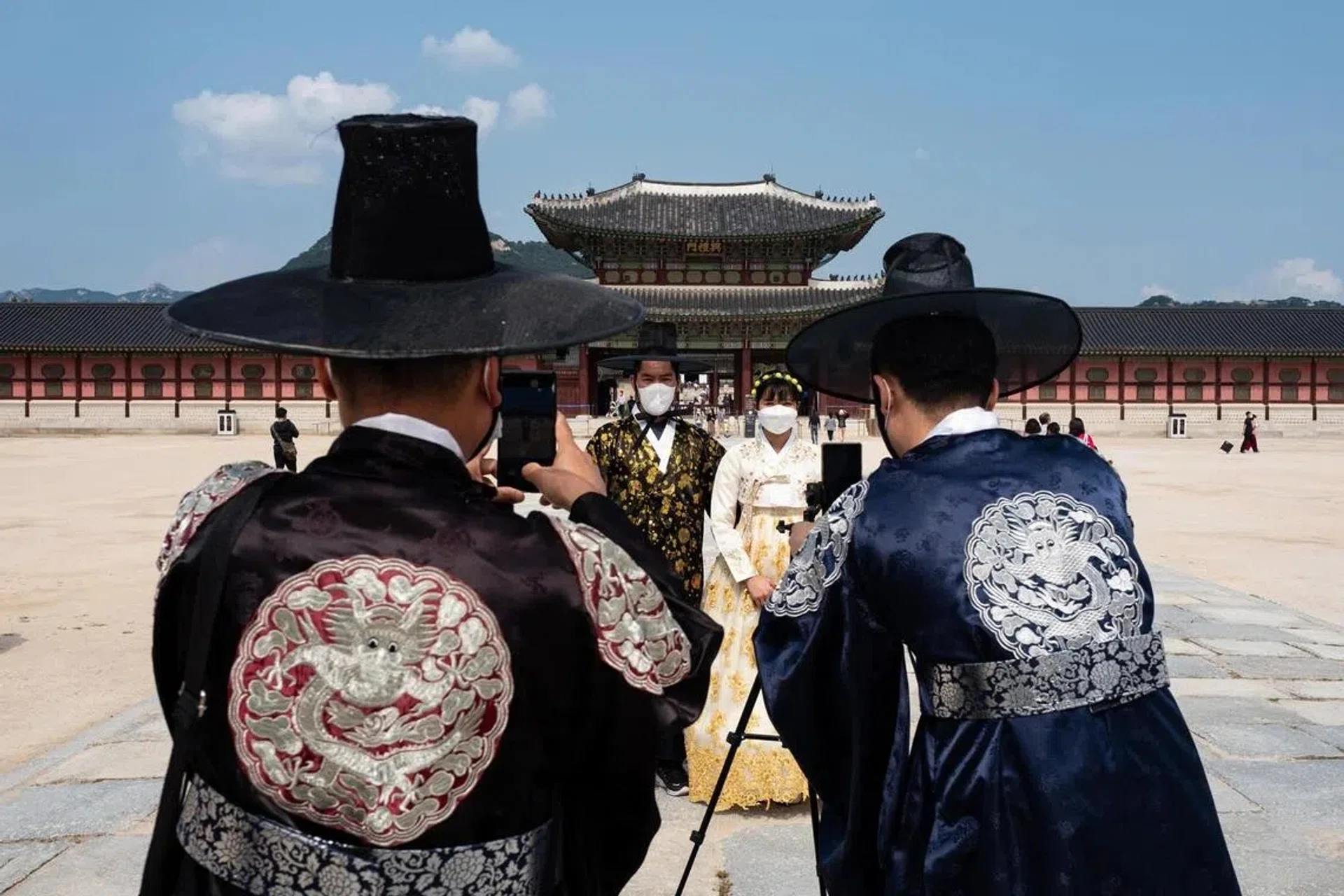
South Korea courts Chinese tourists amid Beijing-Tokyo spat, but security challenges loom
Article Summary:
South Korea has become an increasingly popular destination for Chinese travelers following China’s travel advisory to avoid Japan due to political tensions. This shift in travel patterns is influenced by geopolitical factors and the reassessment of holiday choices by Chinese tourists. The article highlights the broader implications of regional security concerns and the evolving dynamics among North-east Asian neighbors.
Key Points:
Actionable Takeaways:
Contextual Insights:
The article reflects the current state of the travel industry amidst heightened geopolitical tensions, particularly in East Asia. The shift in travel preferences from Japan to South Korea illustrates how political events can rapidly alter consumer behavior and travel patterns. This context is crucial for travel companies and policymakers to understand the potential ripple effects of geopolitical shifts on travel demand and regional relations. Furthermore, the article aligns with emerging trends in travel tech, where data-driven insights and real-time monitoring of geopolitical events are becoming essential tools for travel companies to adapt quickly to changing market conditions. As geopolitical risks continue to influence travel decisions, the industry must leverage advanced analytics and technology to provide agile and responsive travel solutions.
Read the Complete Article.
Boutique Travel VC raises investment cap from $1.5M to $10M to lead rounds and support portfolio companies through growth Travel...
Read moreDetails




