





















Travel Capitalist Ventures Expands Check Size to $10 Million to Deepen Emerging Market Conviction
Boutique Travel VC raises investment cap from $1.5M to $10M to lead rounds and support portfolio companies through growth Travel...
Read moreDetails
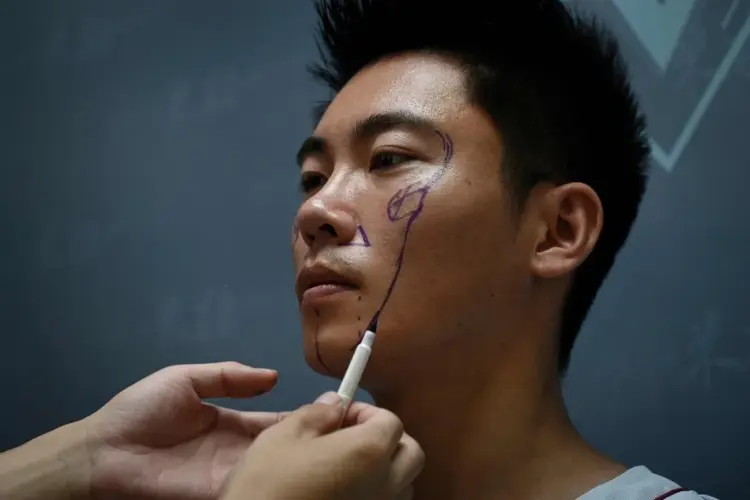
South Korea’s beauty tourism players fear ugly impact from tax refund termination
Article Summary:
The article discusses the impending expiration of a decade-old tax break that attracted foreign patients to South Korea’s cosmetic surgery clinics. This change, set to take effect on December 31, is causing concern within the aesthetic medical tourism sector. The tax refund’s termination is expected to raise costs for patients and potentially weaken pricing transparency, a key factor in the industry’s global appeal. The impact of this change is anticipated to affect various stakeholders, including clinics, brokers, and the broader tourism market.
Key Points:
Actionable Takeaways:
Contextual Insights:
The expiration of the tax break for cosmetic surgery procedures in South Korea is a significant development within the aesthetic medical tourism sector. This change reflects broader trends in the global healthcare industry, where economic incentives play a crucial role in attracting international patients. The industry’s reliance on price competitiveness and pricing transparency underscores the importance of such incentives in maintaining its competitive edge. As the tax break expires, stakeholders in the travel and healthcare sectors will need to adapt to the changing landscape, potentially exploring new strategies to attract and retain international patients. This situation also highlights the interconnectedness of the travel industry with broader economic policies, emphasizing the need for proactive adaptation and innovation in response to regulatory changes.
Read the Complete Article.
Boutique Travel VC raises investment cap from $1.5M to $10M to lead rounds and support portfolio companies through growth Travel...
Read moreDetails




