






















Travel Capitalist Ventures Expands Check Size to $10 Million to Deepen Emerging Market Conviction
Boutique Travel VC raises investment cap from $1.5M to $10M to lead rounds and support portfolio companies through growth Travel...
Read moreDetails

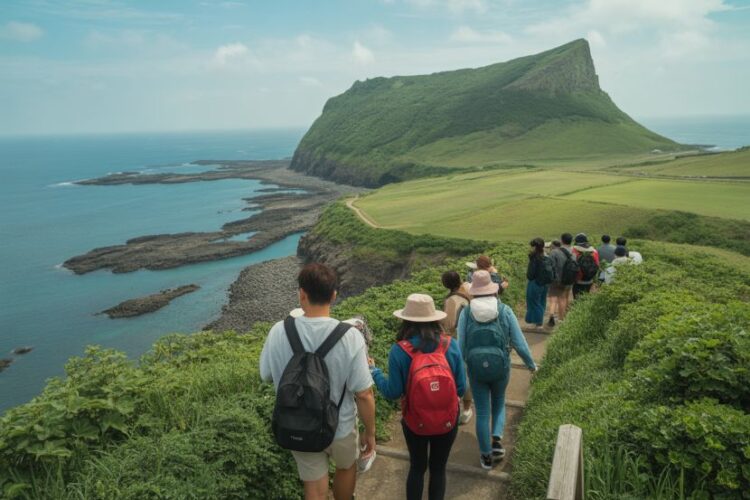
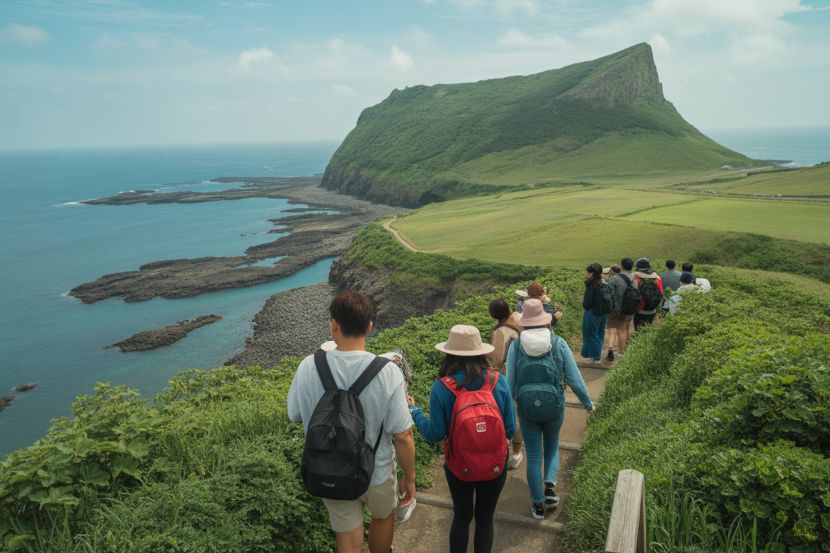
South Korea Expands Global Reach with Strategic Marketing for Regional Tourism: From Seoul to Jeju, ...
Article Summary:
South Korea is implementing an innovative inbound marketing strategy to broaden its tourism reach beyond the Seoul capital region. Recognizing the rise in foreign tourism, the country is focusing on distributing visitors more evenly across regional hotspots like Jeju, Gyeongsang, and Gangwon. This strategy involves providing comprehensive support to local tourism operators, including product development, distribution, and access to global networks. The aim is to highlight the diverse offerings of South Korea’s regional tourism, thereby encouraging a more balanced distribution of visitors across the country.
Key Points:
Actionable Takeaways:
Contextual Insights:
The article reflects a strategic shift in South Korea’s tourism marketing approach, responding to the growing trend of foreign tourism and the need for a more balanced distribution of visitors across the country. This move aligns with broader industry trends towards regional tourism development, where destinations beyond the traditional hubs are being promoted to diversify visitor traffic. The emphasis on inbound marketing and global network access underscores the importance of leveraging technology and digital platforms to reach a wider audience. For travel startups and fintech innovators, this presents an opportunity to develop solutions that support regional tourism operators in their marketing efforts, such as digital marketing tools, global booking platforms, and regional tourism promotion apps. By aligning with these trends, startups can tap into the growing demand for diverse travel experiences and contribute to the sustainable development of regional tourism in South Korea.
Read the Complete Article.
Boutique Travel VC raises investment cap from $1.5M to $10M to lead rounds and support portfolio companies through growth Travel...
Read moreDetails




