






















Travel Capitalist Ventures Expands Check Size to $10 Million to Deepen Emerging Market Conviction
Boutique Travel VC raises investment cap from $1.5M to $10M to lead rounds and support portfolio companies through growth Travel...
Read moreDetails
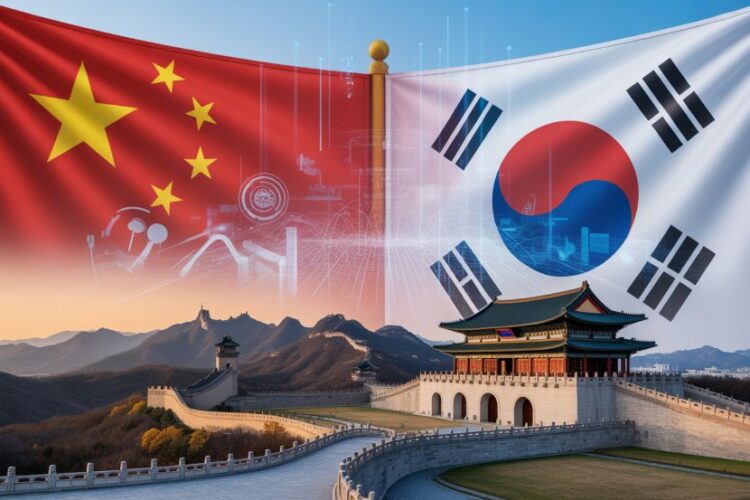
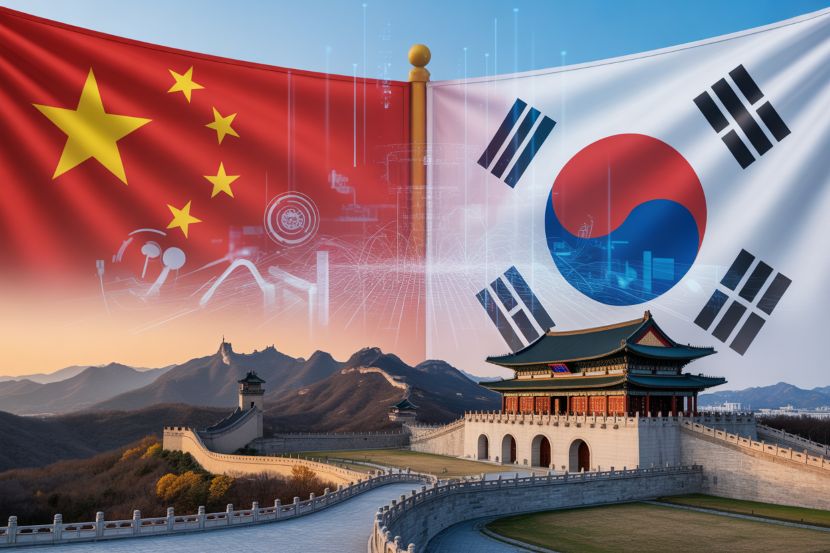
South Korea and China’s Strategic Diplomatic Shift in Beijing: What Lee Jae Myung’s Visit Means for ...
Article Summary:
China and South Korea are strengthening their diplomatic ties with President Xi Jinping of China hosting South Korea’s President Lee Jae Myung in Beijing. This visit is aimed at improving economic collaboration and diplomatic relations between the two nations, especially in the context of growing tensions with Japan over Taiwan. The visit is seen as a significant step towards realigning South Korea’s strategic partnerships in East Asia.
Key Points:
Actionable Takeaways:
Contextual Insights:
The article reflects the current geopolitical climate in East Asia, where China and South Korea are navigating complex relationships with neighboring countries like Japan. The strategic visit underscores the importance of diplomatic engagement in fostering economic growth and stability in the region. For the travel industry, this context suggests a period of heightened collaboration and potential for innovation, particularly in sectors like tourism and trade. Thought leaders predict that such diplomatic shifts could lead to increased investments in travel infrastructure, enhanced connectivity between the two nations, and the emergence of new travel trends that cater to the evolving preferences of tourists in the region.
Read the Complete Article.
Boutique Travel VC raises investment cap from $1.5M to $10M to lead rounds and support portfolio companies through growth Travel...
Read moreDetails




