


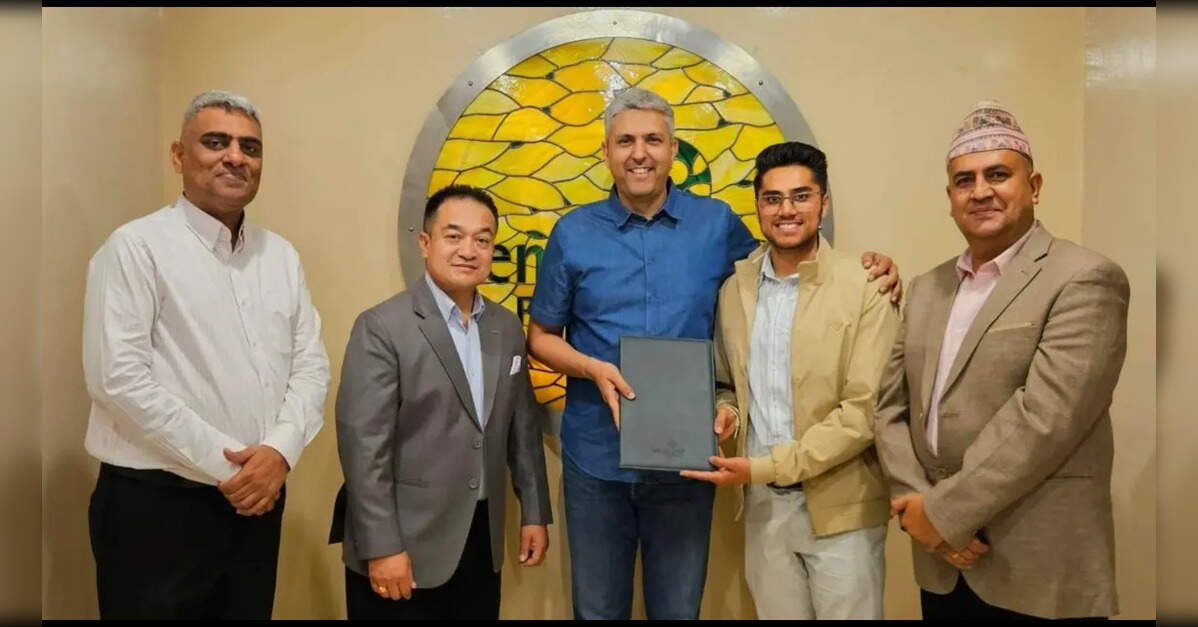
















Travel Capitalist Ventures Expands Check Size to $10 Million to Deepen Emerging Market Conviction
Boutique Travel VC raises investment cap from $1.5M to $10M to lead rounds and support portfolio companies through growth Travel...
Read moreDetails
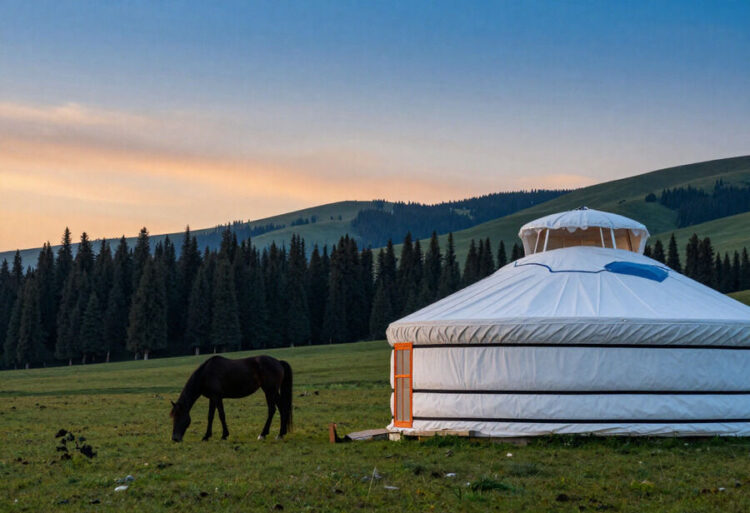
South Korea Joins China, Japan, Germany, Russia And Kazakhstan In Accelerating Mongolia Tourism Boom...
Comprehensive Summarization:
South Korea is joining a group of countries including China, Japan, Germany, Russia, and Kazakhstan in accelerating Mongolia’s tourism boom. This acceleration is primarily due to the country’s successful four-season tourism strategy, which is attracting more international visitors, especially during the winter months. In January 2026 alone, Mongolia welcomed over twenty-one thousand international visitors, marking a significant increase from previous years. The strategy focuses on winter festivals, cultural experiences, and nature-based tours, which are appealing to higher-spending travelers. This shift in travel patterns indicates a growing interest in Mongolia’s unique offerings, positioning it as a destination for year-round tourism.
Key Points:
Actionable Takeaways:
Contextual Insights:
The article reflects a broader trend in the travel industry towards four-season tourism, where destinations are expanding their appeal beyond traditional peak seasons. This shift is driven by the increasing demand for unique, culturally rich experiences that cater to a variety of traveler preferences, including those seeking winter adventures. Mongolia’s success story highlights the potential for destinations to leverage their unique cultural and natural attractions to attract a diverse range of international visitors. As more countries follow Mongolia’s lead, the travel industry can expect to see a continued diversification of tourism offerings, with a focus on creating memorable experiences that resonate with global travelers. This trend also underscores the importance of strategic partnerships and collaborations, as seen with South Korea’s involvement, to further enhance and expand tourism opportunities.
Read the Complete Article.
Boutique Travel VC raises investment cap from $1.5M to $10M to lead rounds and support portfolio companies through growth Travel...
Read moreDetails



Comprehensive Summarization: The article discusses the recent licensing fees announced by the Liberia Tourism Authority, which has sparked debate among...
Read moreDetails
