




















Travel Capitalist Ventures Expands Check Size to $10 Million to Deepen Emerging Market Conviction
Boutique Travel VC raises investment cap from $1.5M to $10M to lead rounds and support portfolio companies through growth Travel...
Read moreDetails
Is South Korea the New Global Travel Hotspot? You Won’t Want to Miss These Tourism Insights
Comprehensive Summarization:
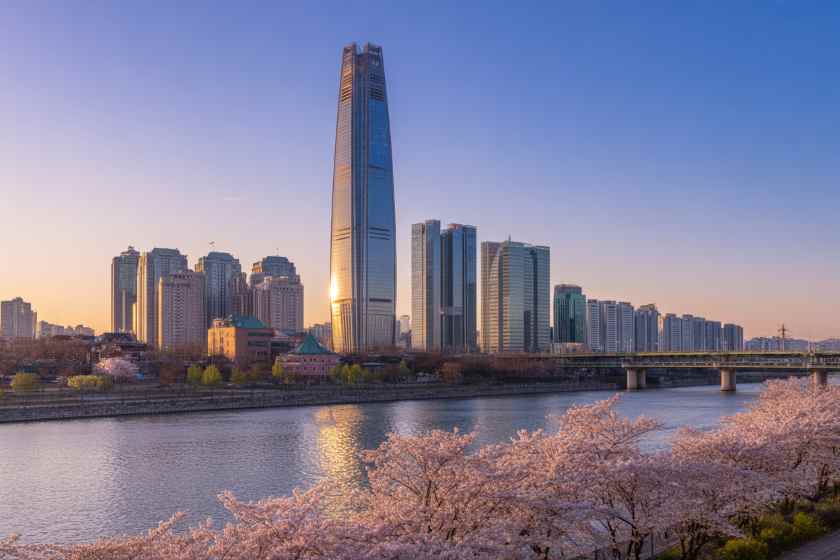
South Korea has revised its inbound tourism strategy, aiming to welcome 30 million international visitors by 2028, two years ahead of its original goal of 2030. This adjustment reflects the country’s rapid recovery in international travel post-pandemic and its strategic positioning to capitalize on global interest in its cultural content and lifestyle experiences. The Ministry of Culture, Sports and Tourism (MCST) and the Korea Tourism Organisation (KTO) announced this revised target, following a review of performance indicators and growing demand from key source markets. The success of South Korea’s tourism revival in 2025 has positioned the country to further enhance its appeal to international travelers.
Key Points:
Actionable Takeaways:
Enhanced Marketing Strategies: With the revised target of 30 million visitors by 2028, South Korea should focus on enhancing its marketing strategies to attract more international tourists. This could involve leveraging its cultural content and lifestyle experiences more effectively, as highlighted in the article. By doing so, South Korea can capitalize on the growing global interest in these aspects, potentially leading to increased tourism revenue and economic growth.
Leveraging Digital Platforms: The success of South Korea’s tourism revival in 2025 suggests a strong reliance on digital platforms for marketing and engagement. Travel startups and fintech innovations that facilitate seamless online booking, payment solutions, and personalized travel experiences could play a crucial role in meeting the increased demand. Investing in digital infrastructure and partnerships with tech companies could provide a competitive edge in the evolving travel landscape.
Focus on Source Markets: The article emphasizes the importance of growing demand from key source markets. South Korea should prioritize strengthening relationships with these markets through targeted marketing campaigns, cultural exchange programs, and partnerships with local businesses. This strategic focus can help ensure a steady flow of visitors and support the ambitious tourism target.
Contextual Insights:
The article’s context is deeply rooted in the post-pandemic recovery of the travel industry, particularly in South Korea. The rapid resurgence in international travel can be attributed to various factors, including effective vaccination campaigns, eased travel restrictions, and the country’s robust public health measures. These developments have created a favorable environment for tourism growth, as evidenced by the revised visitor target.
Moreover, the emphasis on cultural content and lifestyle experiences aligns with current industry trends, where travelers are increasingly seeking authentic and immersive experiences. Thought leaders in the travel sector have noted a shift towards experiential travel, where the focus is on engaging with local cultures, cuisines, and traditions. South Korea’s strategic shift to capitalize on these trends positions it well to attract a diverse range of international visitors.
Furthermore, the article’s mention of the Korea Tourism Organisation (KTO) and the Ministry of Culture, Sports and Tourism (MCST) underscores the collaborative efforts required to achieve such ambitious tourism goals. This collaborative approach is a best practice in the travel industry, where government agencies, tourism boards, and private sector stakeholders must work together to create cohesive and compelling travel experiences.
In conclusion, South Korea’s revised inbound tourism strategy reflects a forward-looking approach to leveraging its cultural assets and capitalizing on global travel trends. By focusing on enhanced marketing, digital innovation, and strategic partnerships, South Korea can meet its ambitious visitor target and solidify its position as a premier global tourism destination.
Read the Complete Article.
Boutique Travel VC raises investment cap from $1.5M to $10M to lead rounds and support portfolio companies through growth Travel...
Read moreDetails



Comprehensive Summarization: American Airlines has announced significant changes to its flight schedule at Dallas/Fort Worth International Airport (DFW), the airline's...
Read moreDetails
